The Complete Home Inspection Checklist for Ridgefield Buyers
Learn what to look for during a home inspection to avoid costly surprises and make confident purchasing decisions in Ridgefield.

Introduction: Why Home Inspections Matter for Ridgefield Buyers
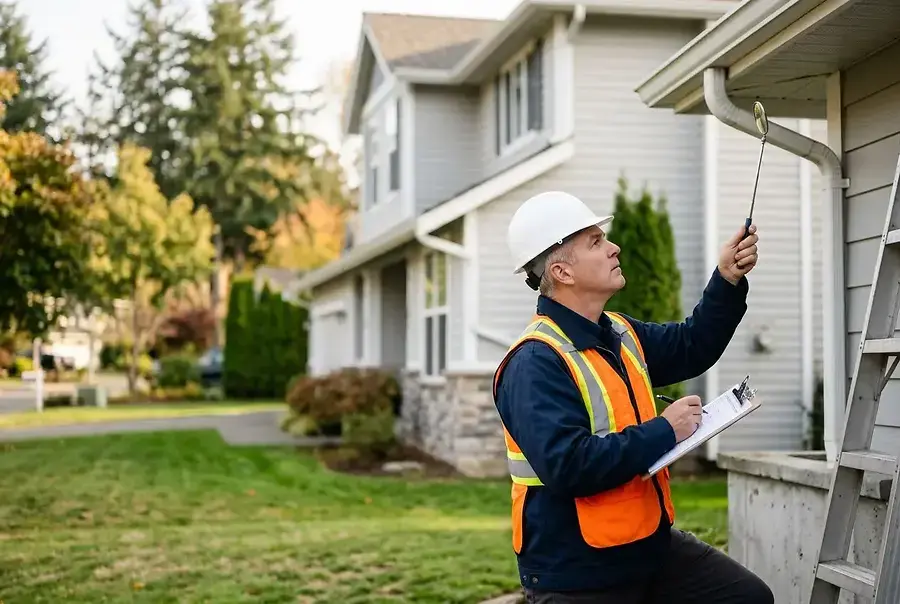
Purchasing a home is one of the most significant financial decisions you'll make in your lifetime. In Ridgefield, where the real estate market is competitive and homes vary widely in age and condition, a thorough home inspection is not just recommended—it's essential. A professional home inspection provides an objective assessment of a property's condition, helping you identify potential issues before you commit to the purchase.
Many buyers skip or rush through inspections to close deals faster, but this approach can lead to expensive repairs and regrets down the road. By understanding what to look for during a home inspection, you can make informed decisions, negotiate better terms, and protect your investment for years to come.
Key Areas to Evaluate: Structural Foundation, Roof, and HVAC Systems
Structural Foundation and Basement
The foundation is the backbone of any home. During your inspection, pay close attention to the following:
- Cracks and settling: Minor hairline cracks are normal, but larger cracks (wider than 1/4 inch) or stair-step patterns may indicate serious structural issues.
- Water damage and moisture: Look for signs of water intrusion, efflorescence (white mineral deposits), or mold growth, which are common in Ridgefield basements.
- Foundation type: Understand whether your home has a concrete slab, crawl space, or basement, as each has different maintenance requirements.
- Drainage systems: Ensure gutters, downspouts, and grading direct water away from the foundation.
Roof Condition and Integrity
Your roof protects everything beneath it, making its condition critical. During inspection, examine:
- Shingle condition: Look for missing, curled, or deteriorating shingles that may need replacement soon.
- Flashing and seals: Check areas around chimneys, vents, and skylights for proper sealing and signs of leaks.
- Roof age: Ask about the roof's age and expected lifespan. Most asphalt roofs last 15-20 years.
- Attic ventilation: Proper ventilation prevents moisture buildup and extends roof life.
- Gutters and downspouts: Ensure they're clean, secure, and functioning properly.
HVAC Systems
Heating, ventilation, and air conditioning systems are essential for comfort and can be expensive to replace. Evaluate:
- Age and maintenance: Determine the age of the furnace, air conditioner, and water heater. Systems typically last 10-15 years.
- Functionality: Test that heating and cooling systems operate properly throughout the home.
- Ductwork: Look for leaks, disconnections, or poor insulation that reduce efficiency.
- Thermostat: Verify the thermostat is functioning and maintaining consistent temperatures.
- Filter accessibility: Ensure filters are easy to access and replace regularly.
Red Flags and Common Issues Found in Ridgefield Homes
Moisture and Water Damage
Ridgefield's climate and soil conditions make moisture issues particularly common. Watch for:
- Staining on ceilings or walls indicating roof leaks
- Soft or spongy wood in basements or crawl spaces
- Musty odors suggesting mold or mildew
- Rust stains on basement walls
Electrical and Plumbing Concerns
Electrical systems: Outdated wiring, insufficient outlets, or improper grounding can be safety hazards. Knob-and-tube wiring or aluminum wiring may require replacement.
Plumbing issues: Corroded pipes, low water pressure, or outdated fixtures are common in older Ridgefield homes. Galvanized pipes may need replacement, and cast iron drain pipes can deteriorate over time.
Pest Infestations and Wood Damage
Termites, carpenter ants, and other pests can cause significant structural damage. Have the inspector look for:
- Mud tubes or wood damage indicating termite activity
- Carpenter ant galleries in wood framing
- Evidence of rodent droppings or nesting
Insulation and Energy Efficiency
Poor insulation leads to higher utility bills. Check attic insulation levels and ensure windows and doors are properly sealed. Older homes may lack adequate insulation in walls and crawl spaces.
Conclusion: Using Inspection Results to Negotiate and Protect Your Investment
Once you receive the home inspection report, you have several options. Don't panic over minor issues—every home has some wear and tear. Instead, focus on significant problems that affect safety, structural integrity, or major systems.
Use the inspection report as a negotiation tool. You can:
- Request the seller make repairs before closing
- Ask for a credit toward repairs you'll handle yourself
- Renegotiate the purchase price based on repair costs
- Walk away if major issues exceed your budget or comfort level
"A thorough home inspection is an investment in peace of mind. It empowers you to make decisions based on facts, not emotions, ensuring you're making the right choice for your family and your financial future."
By following this comprehensive checklist and understanding what to look for, you'll be well-equipped to navigate the home buying process in Ridgefield with confidence. Remember, a professional home inspector is your advocate—use their expertise to protect your investment and ensure you're purchasing a safe, sound home.


