The Complete Home Inspection Checklist for Sherman, Texas Homebuyers
Learn what professional inspectors look for and how to protect your investment before closing.

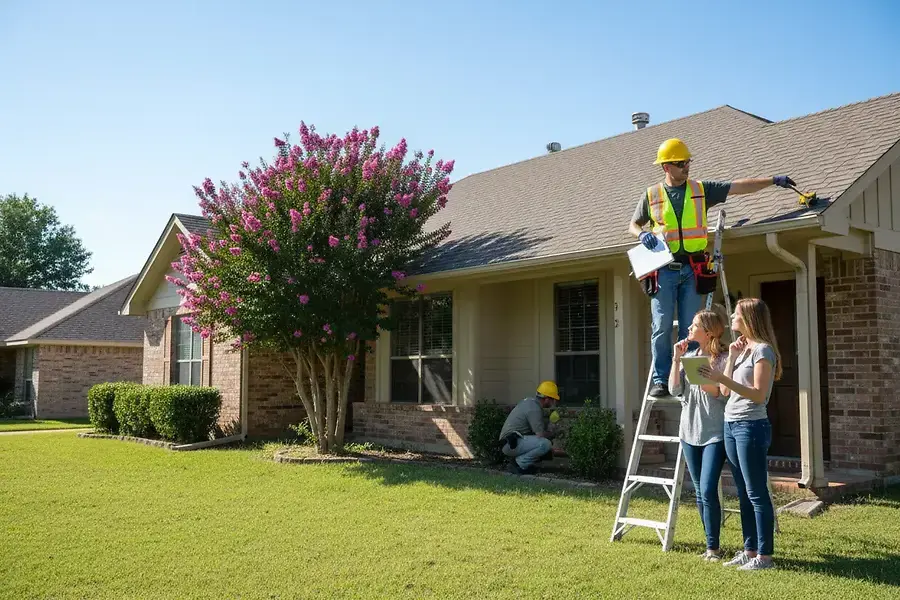
Why Home Inspections Are Critical in Sherman's Real Estate Market
Purchasing a home is one of the most significant financial decisions you'll make in your lifetime. In Sherman's competitive real estate market, a professional home inspection serves as your essential safeguard against costly surprises after closing. Many homebuyers underestimate the importance of this crucial step, viewing it as just another box to check before signing papers. However, a thorough inspection can reveal hidden defects, structural issues, and maintenance problems that could cost thousands of dollars to repair.
Sherman's climate and local building conditions create unique challenges for homeowners. The Texas heat, occasional severe weather, and the age of many properties in the area mean that inspectors need to pay special attention to specific vulnerabilities. By investing in a comprehensive home inspection, you're not just protecting your financial investment—you're ensuring the safety and comfort of your family for years to come.
Key Areas Professional Inspectors Examine and Common Red Flags to Identify
Structural and Foundation Issues
The foundation is the backbone of any home. Professional inspectors will examine the foundation for cracks, settling, and water damage. In Sherman, where soil conditions can vary significantly, foundation problems are more common than many realize. Look for these warning signs:
- Visible cracks in the foundation or basement walls
- Uneven or sloping floors
- Doors and windows that stick or don't close properly
- Water stains or moisture in basements or crawl spaces
Roofing and Exterior Condition
Your roof protects everything beneath it, making its condition paramount. Inspectors will assess the roof's age, material condition, and remaining lifespan. Texas weather can be harsh on roofing materials, so pay attention to:
- Missing, cracked, or curling shingles
- Sagging roof lines
- Damaged flashing around chimneys and vents
- Signs of water damage in attics or upper ceilings
Plumbing Systems
Water damage is one of the most expensive problems homeowners face. Inspectors will check water pressure, drainage, and the condition of pipes throughout the home. Common red flags include:
- Slow drains or frequent clogs
- Discolored water or staining around pipes
- Outdated galvanized pipes that may need replacement
- Signs of leaks under sinks or around water heaters
Electrical Systems
Faulty electrical systems pose serious safety risks. Professional inspectors will examine the electrical panel, outlets, and wiring to ensure everything meets current safety standards. Watch for:
- Outdated or insufficient electrical panels
- Missing ground fault circuit interrupters (GFCIs) in wet areas
- Exposed wiring or improper grounding
- Overloaded circuits or evidence of previous electrical fires
HVAC and Climate Control
Heating and cooling systems are essential in Texas. Inspectors will evaluate the age, condition, and efficiency of your HVAC system. Important considerations include:
- Age and remaining lifespan of the unit
- Proper maintenance and service records
- Adequate ductwork and insulation
- Signs of refrigerant leaks or compressor issues
Interior Condition and Safety
Beyond major systems, inspectors examine interior elements like insulation, windows, doors, and potential hazards such as asbestos or mold. These details significantly impact your home's comfort and safety.
How to Review Inspection Reports and Negotiate Repairs with Sellers Effectively
Understanding Your Inspection Report
Once the inspection is complete, you'll receive a detailed report. Don't let the technical language intimidate you. Take time to review it carefully, and don't hesitate to ask your inspector questions about any findings. Reports typically categorize issues by severity:
- Critical Issues: Safety hazards or major structural problems requiring immediate attention
- Major Issues: Significant repairs needed within the next few years
- Minor Issues: Small repairs or maintenance items
Prioritizing Repairs and Costs
Not every issue discovered during inspection requires immediate action. Work with your real estate agent to prioritize repairs based on safety, functionality, and cost. Focus negotiations on critical and major issues that could affect the home's value or your family's safety.
Negotiation Strategies
Armed with your inspection report, you have leverage in negotiations. Consider these approaches:
- Request seller repairs: Ask the seller to fix critical issues before closing
- Request credits: Negotiate a credit toward closing costs to handle repairs yourself
- Price reduction: Request a reduction in the purchase price to account for necessary repairs
- Combination approach: Mix and match strategies for different issues
Be reasonable in your requests. Sellers are more likely to cooperate if your demands are fair and based on actual repair estimates. Obtain quotes from licensed contractors to support your negotiation position.
The Walk-Through Advantage
Request a final walk-through before closing to verify that agreed-upon repairs have been completed satisfactorily. This final check ensures you're getting exactly what you negotiated for.
Making Informed Decisions to Safeguard Your New Home Purchase
A home inspection is an investment in peace of mind. By understanding what inspectors look for and how to interpret their findings, you empower yourself to make informed decisions about your purchase. Don't skip this critical step or choose the cheapest inspector available—quality inspections often reveal issues that save you thousands in the long run.
Remember that no home is perfect, and minor issues are normal. The goal is to identify significant problems that could affect your safety, comfort, or investment value. Use the inspection process as a tool to negotiate fairly and protect your interests.
Your dream home in Sherman awaits, but only after you've done your due diligence. A thorough home inspection ensures that when you turn the key in your new front door, you're doing so with confidence and security.