The Complete Home Inspection Checklist for Sherwood, AR Buyers
Learn what professional inspectors evaluate and how to protect your investment before closing on your Sherwood home.

Understanding the Home Inspection Process in Sherwood
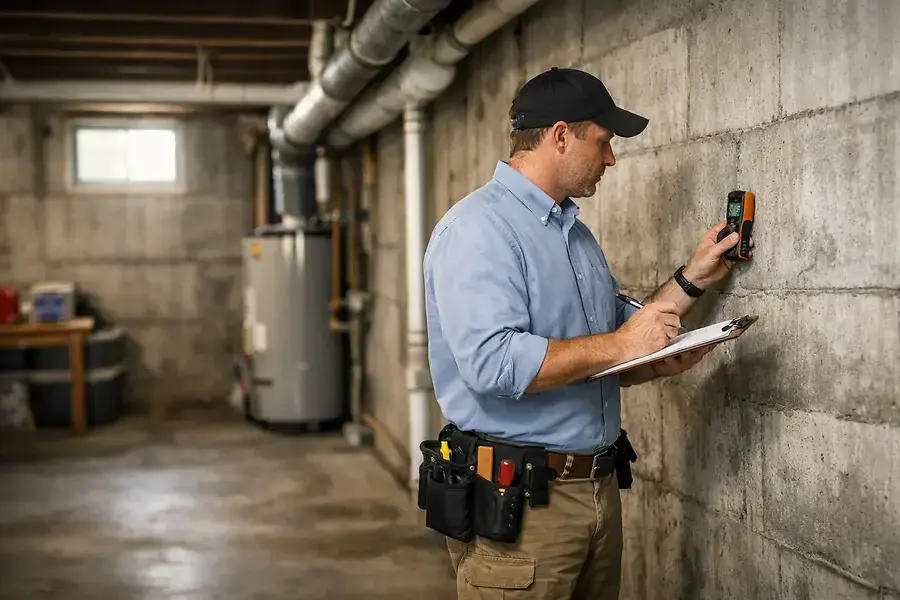
A home inspection is one of the most critical steps in the home-buying process. When purchasing a property in Sherwood, AR, hiring a qualified home inspector can save you thousands of dollars in unexpected repairs and provide peace of mind before you sign the final documents. A professional home inspector will conduct a thorough examination of the property's structural integrity, systems, and components.
During a typical home inspection in Sherwood, the inspector will spend two to three hours examining both the interior and exterior of the home. They will evaluate everything from the foundation to the roof, checking for signs of damage, wear, and potential safety hazards. The inspector will provide you with a detailed written report outlining their findings, which you can use to make informed decisions about your purchase.
What to Expect During Your Inspection
Your home inspector will walk through the property systematically, documenting the condition of all major systems and components. You should plan to be present during the inspection so you can ask questions and gain a better understanding of the home's condition. The inspector will take photographs and notes, which will be compiled into a comprehensive report that you'll receive within a few days of the inspection.
Critical Areas to Evaluate During Your Inspection
Foundation and Structural Components
The foundation is the backbone of any home. Inspectors will look for cracks, settling, water damage, and signs of structural movement. In Sherwood, where soil conditions can vary, foundation issues are particularly important to assess. Any significant cracks or signs of movement should be evaluated by a structural engineer.
Roof and Attic
Your roof is your home's first line of defense against the elements. Inspectors will examine shingles, flashing, gutters, and the overall condition of the roofing system. They'll also check the attic for proper ventilation, insulation, and signs of leaks or pest damage. Given Sherwood's weather patterns, a well-maintained roof is essential.
Plumbing Systems
The inspector will test all water fixtures, check for leaks, examine the water heater, and assess the condition of visible pipes. They'll verify that water pressure is adequate and that drainage systems are functioning properly. Older homes in Sherwood may have outdated plumbing that requires attention.
Electrical Systems
A thorough electrical inspection includes checking the main panel, testing outlets, and verifying that the system is up to current safety codes. The inspector will look for outdated wiring, improper grounding, and potential fire hazards. This is a critical safety concern for any home.
HVAC Systems
Your heating, ventilation, and air conditioning systems will be tested to ensure they're functioning properly. The inspector will check the furnace, air conditioner, thermostat, and ductwork. In Sherwood's climate, having reliable HVAC systems is essential for comfort and energy efficiency.
Windows, Doors, and Exterior
The inspector will examine all windows and doors for proper operation, sealing, and signs of water damage. The exterior will be inspected for siding condition, paint, landscaping issues, and drainage problems. Proper exterior maintenance is crucial for protecting the home's interior.
Common Issues Found in Sherwood Homes and How to Address Them
Water Damage and Moisture Issues
Sherwood's climate can lead to moisture problems in basements and crawl spaces. If your inspection reveals water damage, you may need to install a sump pump, improve drainage, or seal cracks in the foundation. Addressing moisture issues promptly can prevent mold growth and structural damage.
Roof Deterioration
Many Sherwood homes have roofs that are nearing the end of their lifespan. If your inspection shows significant wear, you may need to budget for a roof replacement. This is a major expense, but it's essential for protecting your investment.
Outdated Electrical Systems
Older homes may have aluminum wiring or insufficient electrical capacity. These issues should be addressed by a licensed electrician to ensure safety and meet current code requirements.
HVAC System Age
If the heating or cooling system is more than 15 years old, you should budget for replacement in the near future. Aging systems become less efficient and more prone to breakdowns.
Pest Damage
Termites and other pests can cause significant structural damage. If your inspection reveals pest damage, you'll need to hire a pest control professional to address the problem and prevent future infestations.
Using Inspection Results to Negotiate and Close Successfully
Reviewing Your Inspection Report
Take time to carefully review the inspection report with your real estate agent. Understand the difference between minor issues and major concerns. Your agent can help you prioritize which items need immediate attention and which can be addressed later.
Negotiating Repairs and Credits
Based on the inspection findings, you have several options:
- Request that the seller make repairs before closing
- Ask for a credit toward closing costs to handle repairs yourself
- Negotiate a lower purchase price to account for needed repairs
- Accept the home as-is if issues are minor or acceptable to you
Be strategic in your negotiations. Focus on major issues that affect safety, functionality, or long-term value. Minor cosmetic issues are typically not worth negotiating over.
Getting Additional Inspections
If the general inspection reveals potential issues with specific systems, you may want to hire specialists. A structural engineer, pest inspector, or HVAC technician can provide detailed assessments and repair estimates. These additional inspections can strengthen your negotiating position.
Final Walk-Through
Before closing, conduct a final walk-through of the property to verify that any agreed-upon repairs have been completed satisfactorily. This is your last opportunity to ensure the home is in the condition you expected.
Moving Forward with Confidence
A thorough home inspection is an investment in your peace of mind. By understanding what inspectors evaluate and how to use their findings, you can make informed decisions about your Sherwood home purchase. Don't skip this critical step—it's one of the best ways to protect your investment and ensure you're buying a home that's safe and sound for years to come.


