The Complete Home Inspection Checklist for Shreveport Homebuyers
Learn the critical inspection checklist that protects your investment and prevents costly surprises in Shreveport properties.

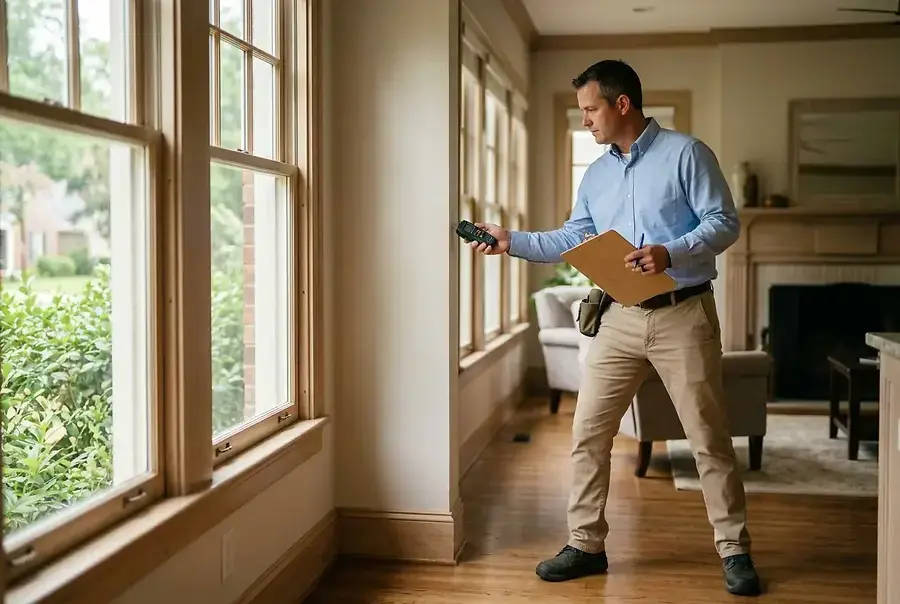
Understanding the Home Inspection Process in Shreveport
Buying a home is one of the most significant investments you'll make in your lifetime. In Shreveport, where the climate and local building conditions present unique challenges, a thorough home inspection is absolutely essential. A professional home inspection typically takes 2-3 hours and provides a detailed assessment of the property's condition, helping you make an informed decision before committing to the purchase.
During a standard inspection, a licensed inspector will examine the home's structural integrity, mechanical systems, and overall condition. In Shreveport's humid climate, inspectors pay special attention to moisture-related issues, foundation problems, and roof conditions that are common in Louisiana properties. Understanding what happens during this process empowers you to ask the right questions and identify potential issues early.
What to Expect During Your Inspection
A professional inspector will walk through every accessible area of the home, documenting findings in a comprehensive report. You have the right to accompany the inspector and ask questions about their observations. This is your opportunity to learn about the home's systems and any concerns they identify. The inspection report will typically include photographs and detailed descriptions of any issues found.
Key Areas Inspectors Examine and Red Flags to Watch For
Foundation and Structural Components
The foundation is the backbone of any home. Inspectors look for cracks, settling, water intrusion, and signs of foundation movement. In Shreveport, where soil conditions can shift, foundation issues are particularly important to monitor. Look for:
- Horizontal or diagonal cracks in the foundation
- Water stains or moisture in the basement or crawl space
- Uneven floors or doors that don't close properly
- Bowing or leaning walls
Roof and Attic
Your roof protects everything beneath it. Inspectors examine shingle condition, flashing, gutters, and ventilation. Shreveport's weather patterns mean roofs face significant wear. Red flags include:
- Missing, cracked, or curling shingles
- Sagging roof lines
- Inadequate attic ventilation or insulation
- Signs of water damage or mold in the attic
- Rusted or damaged flashing around chimneys and vents
Plumbing Systems
Water damage is costly and common in older Shreveport homes. Inspectors test water pressure, check for leaks, and examine pipe materials. Watch for:
- Slow drains or water pressure issues
- Visible leaks under sinks or around toilets
- Outdated galvanized pipes (common in older homes)
- Signs of water damage around the water heater
- Improper grading that directs water toward the foundation
Electrical Systems
Electrical safety is non-negotiable. Inspectors verify that the system is properly grounded, has adequate capacity, and meets current safety codes. Be cautious of:
- Outdated fuse boxes instead of modern circuit breakers
- Insufficient outlets or overloaded circuits
- Exposed wiring or improper installations
- Two-prong outlets in bathrooms and kitchens
HVAC Systems
In Shreveport's hot, humid climate, air conditioning is essential. Inspectors evaluate heating and cooling systems for proper operation and maintenance. Red flags include:
- Age of the system (units over 15 years may need replacement soon)
- Inadequate cooling or heating capacity
- Rust or corrosion on outdoor units
- Improper refrigerant levels
How to Use Inspection Results to Negotiate Better Terms
Reviewing Your Inspection Report
Once you receive the inspection report, take time to review it carefully. Reports typically categorize issues by severity: major concerns, minor repairs, and maintenance recommendations. Focus on major issues that affect safety, structural integrity, or significant systems.
Negotiation Strategies
Armed with inspection findings, you have several negotiation options:
- Request repairs: Ask the seller to fix major issues before closing
- Request credits: Negotiate a reduction in the purchase price to cover repairs yourself
- Request inspections: Ask for specialized inspections (pest, mold, radon) if concerns arise
- Walk away: If major issues exceed your budget, you may have grounds to terminate the contract
Be strategic in your negotiations. Focus on significant issues that affect the home's value and safety rather than minor cosmetic concerns. Your inspector's report provides objective documentation to support your requests.
Getting Repair Estimates
For major issues, obtain written estimates from licensed contractors. This gives you concrete numbers to use in negotiations and helps you understand the true cost of repairs. Sellers are more likely to take your requests seriously when backed by professional estimates.
Making Your Final Decision: Inspection Insights and Next Steps
Evaluating the Overall Picture
No home is perfect, but inspection results help you understand what you're buying. Consider the home's age, location, and your long-term plans. A 40-year-old home will naturally have more wear than a newer property. The question is whether the issues are manageable and whether the price reflects the home's true condition.
Planning for Future Maintenance
Even minor findings in your inspection report represent future maintenance costs. Budget for these expenses in your financial planning. Items like roof replacement, HVAC maintenance, and plumbing updates should be factored into your overall homeownership costs.
Final Steps Before Closing
After negotiations conclude, schedule a final walkthrough to verify that agreed-upon repairs were completed satisfactorily. Request receipts and warranties for any work performed. This protects you and ensures the home meets the agreed-upon condition at closing.
Remember: A thorough home inspection is your best defense against costly surprises. In Shreveport's unique climate and housing market, professional inspection findings provide invaluable peace of mind and negotiating power.
By understanding the inspection process, knowing what to look for, and using results strategically, you're taking control of one of life's biggest decisions. Trust the process, ask questions, and make decisions based on facts rather than emotions.