The Complete Home Inspection Checklist for Southlake Buyers
Learn what professional inspectors evaluate and how to protect your investment when purchasing a home in Southlake.

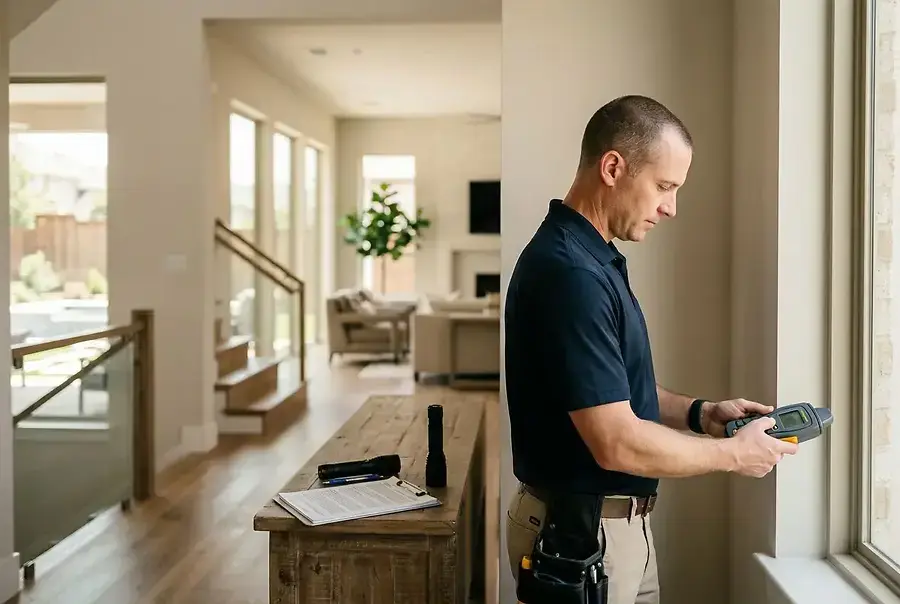
Why Home Inspections Matter in Southlake
Purchasing a home is one of the most significant financial decisions you'll make in your lifetime. In Southlake, where properties command premium prices, a thorough home inspection is not just recommended—it's essential. A professional home inspection provides you with an independent, objective assessment of your potential property's condition, helping you make informed decisions and avoid costly surprises after closing.
Home inspections serve as your protection against hidden defects and structural issues that could cost thousands of dollars to repair. Whether you're a first-time homebuyer or an experienced investor, understanding what inspectors look for can help you negotiate better terms, request repairs, or make the decision to walk away if necessary.
What to Expect During a Professional Home Inspection
The Inspection Process
A typical home inspection in Southlake lasts between two to four hours, depending on the property's size and age. Professional inspectors will systematically evaluate every major system and component of the home. You should always be present during the inspection to ask questions and gain firsthand knowledge about your potential purchase.
Structural Components
Inspectors begin by examining the home's foundation, framing, and overall structural integrity. They look for:
- Cracks in the foundation or basement walls
- Signs of settling or shifting
- Water damage or moisture intrusion
- Proper grading around the foundation
- Adequate ventilation in crawl spaces
Roofing and Exterior
The roof is one of the most expensive components to replace, making this inspection critical. Inspectors evaluate:
- Roof condition and remaining lifespan
- Shingle or tile integrity
- Flashing around chimneys and vents
- Gutters and downspouts
- Siding condition and water damage
- Windows and doors for proper sealing
Mechanical Systems
HVAC System: Inspectors test heating and cooling systems to ensure they operate efficiently. They check for proper airflow, thermostat function, and age of equipment.
Plumbing: The inspection includes checking water pressure, drainage, and the condition of visible pipes. Inspectors look for leaks, corrosion, and proper venting.
Electrical System: Inspectors verify that the electrical panel is properly sized, breakers function correctly, and outlets are grounded. They also check for outdated wiring that may pose safety risks.
Interior Components
Inspectors examine all accessible interior areas, including:
- Walls and ceilings for water stains or cracks
- Flooring condition and stability
- Doors and windows operation
- Insulation levels in attic spaces
- Appliances (if included in the sale)
Common Issues Found in Southlake Homes and How to Address Them
Water Intrusion and Moisture Problems
Given Southlake's climate, water intrusion is one of the most common issues found during inspections. This can manifest as:
- Basement or crawl space moisture
- Roof leaks causing attic damage
- Foundation cracks allowing water seepage
How to Address It: Request that the seller repair the source of the water intrusion before closing. This might involve roof repairs, foundation sealing, or improved drainage systems. Get written estimates from contractors to understand the true cost of repairs.
HVAC System Age and Efficiency
Many Southlake homes have aging HVAC systems that may fail soon after purchase. Systems typically last 15-20 years, and replacement can cost $5,000 to $10,000 or more.
How to Address It: If the system is near the end of its lifespan, negotiate for the seller to replace it or request a credit toward replacement. Alternatively, budget for this expense in your financial planning.
Roof Condition and Age
Roof replacement is one of the most expensive home repairs. Inspectors will determine the roof's age and remaining lifespan, which typically ranges from 15-25 years depending on materials.
How to Address It: If the roof is aging, request a professional roofing inspection for more detailed assessment. Use this information to negotiate repairs or credits with the seller.
Electrical System Updates
Older homes in Southlake may have outdated electrical systems that don't meet current safety standards or provide adequate capacity for modern appliances.
How to Address It: Request that the seller upgrade the electrical panel or address any safety concerns identified during inspection. This is a non-negotiable safety issue.
Plumbing Issues
Common plumbing problems include:
- Corroded or deteriorating pipes
- Low water pressure
- Outdated fixtures
- Improper grading causing drainage issues
How to Address It: For significant plumbing issues, request the seller make repairs. For minor issues, you can often address these after purchase or negotiate credits.
Making Informed Decisions with Inspection Results
Understanding Your Inspection Report
After the inspection, you'll receive a detailed report categorizing issues by severity. Critical items require immediate attention and should be addressed before closing. Major items may affect the home's value or safety, while minor items are cosmetic or low-priority concerns.
Negotiating Repairs and Credits
Use your inspection report as a negotiation tool. You have several options:
- Request the seller make repairs before closing
- Negotiate a credit toward repairs you'll handle
- Request a price reduction reflecting repair costs
- Walk away if issues are too significant
Planning for Future Maintenance
Even if the inspection reveals no major issues, use the report to plan future maintenance. Understanding your home's systems and their age helps you budget for upcoming replacements and preventative care.
A thorough home inspection is your best defense against unexpected expenses and ensures you're making a sound investment in your Southlake property.
By understanding what inspectors evaluate and how to address common issues, you're taking control of your home-buying experience. Don't skip this crucial step—your investment depends on it.


