The Complete Home Inspection Checklist for Tampa Area Homebuyers
Learn what professional inspectors look for and how to protect your investment in Tampa's humid climate.

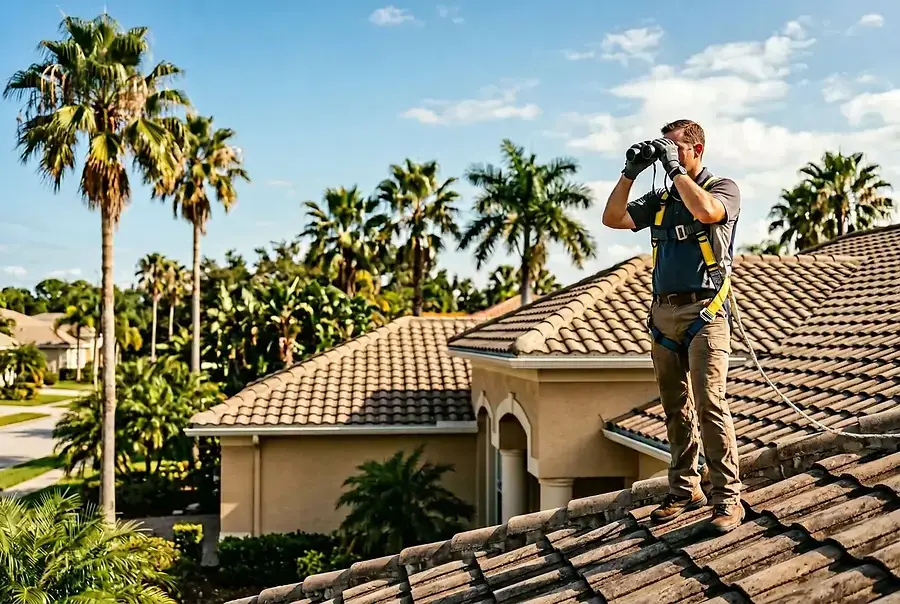
Understanding Florida's Climate-Specific Inspection Priorities
Tampa's subtropical climate presents unique challenges for homeowners. The combination of high humidity, intense heat, and occasional hurricanes creates an environment where certain structural and mechanical issues develop faster than in other regions. When you're investing in a Tampa area home, understanding these climate-specific concerns is crucial to protecting your investment.
Professional home inspectors in the Tampa area prioritize several climate-related factors that directly impact your home's longevity and safety:
- Moisture and Mold Prevention: The persistent humidity in Tampa creates ideal conditions for mold growth. Inspectors examine attics, crawl spaces, and basements for signs of moisture intrusion and mold development.
- Roof Condition: Intense UV exposure and heavy rain cycles deteriorate roofing materials quickly. Inspectors assess roof age, missing shingles, and proper drainage systems.
- HVAC System Efficiency: Air conditioning systems work overtime in Tampa's heat. Inspectors evaluate whether your system can handle the demands of the climate.
- Foundation Stability: Florida's sandy soil and water table issues can affect foundation integrity. Inspectors look for cracks, settling, and water damage.
- Hurricane Preparedness: Storm-resistant features like reinforced doors, impact-resistant windows, and proper bracing are essential in Tampa.
Common Issues Found in Tampa Area Homes
Water Damage and Moisture Problems
Water intrusion is the most prevalent issue in Tampa homes. Whether from roof leaks, poor drainage, or plumbing failures, moisture problems can lead to expensive repairs. Inspectors use moisture meters and thermal imaging to detect hidden water damage behind walls and under flooring.
Roof and Attic Concerns
Tampa's intense sun and frequent afternoon thunderstorms take a toll on roofs. Common findings include:
- Deteriorated shingles and flashing
- Inadequate attic ventilation
- Missing or damaged soffit and fascia
- Improper roof installation or repairs
HVAC System Issues
Air conditioning systems in Tampa homes often show signs of wear and improper maintenance. Inspectors check refrigerant levels, ductwork integrity, and whether the system is appropriately sized for the home. A failing AC system can cost $5,000 to $15,000 to replace, making this a critical inspection point.
Plumbing and Water Supply Problems
Older homes in the Tampa area frequently have corroded pipes or outdated plumbing materials. Inspectors test water pressure, check for leaks, and assess the condition of the water heater. Polybutylene pipes, common in homes built in the 1980s and 1990s, are particularly problematic and prone to failure.
Foundation and Structural Issues
Florida's sandy soil and high water table can cause foundation problems. Inspectors look for cracks in the foundation, uneven floors, and signs of settling. While minor cracks are normal, larger structural issues require professional engineering assessment.
What Buyers Should Know Before Making an Offer
Schedule the Inspection Early
Don't wait until after your offer is accepted to arrange an inspection. Many buyers schedule a pre-offer inspection to identify potential issues before committing. This gives you valuable information for negotiation and helps you avoid surprises later.
Hire a Qualified Inspector
Choose an inspector who is licensed and has specific experience with Tampa area homes. Look for certifications from the American Society of Home Inspectors (ASHI) or the National Association of Home Inspectors (NAHI). An experienced local inspector understands the region's specific challenges.
Attend the Inspection
This is crucial. Walk through the inspection with the professional. Ask questions and take notes. Understanding the condition of the home firsthand helps you make informed decisions and prepares you for potential negotiations.
Review the Inspection Report Carefully
The inspection report should be detailed and easy to understand. It should categorize issues by severity—immediate concerns, items needing repair soon, and maintenance recommendations. Don't ignore items marked as "safety issues" or "major repairs needed."
Get Estimates for Major Repairs
If the inspection reveals significant problems, obtain written estimates from licensed contractors. This documentation strengthens your negotiating position and helps you understand the true cost of repairs.
Next Steps: Using Inspection Results in Negotiations
Request Repairs or Credits
After reviewing the inspection report, you have several options. You can request that the seller make repairs before closing, ask for a credit toward closing costs, or negotiate a price reduction. In Tampa's competitive market, sellers may be more willing to offer credits than to make repairs themselves.
Prioritize Your Concerns
Not every inspection finding requires negotiation. Focus on items that affect safety, structural integrity, or major systems. Minor cosmetic issues or routine maintenance items are typically the buyer's responsibility after purchase.
Know When to Walk Away
If the inspection reveals extensive damage or major structural issues that would be costly to repair, you may want to reconsider the purchase. Your inspection contingency period is your opportunity to make this decision without penalty.
Plan for Ongoing Maintenance
Even if the inspection comes back clean, Tampa homes require consistent maintenance to combat the climate's effects. Budget for regular HVAC servicing, roof inspections, and moisture monitoring. Preventive maintenance is far less expensive than dealing with major damage later.
Protecting your investment in Tampa real estate starts with a thorough home inspection. By understanding what inspectors look for, attending the inspection, and using the results strategically in negotiations, you can make a confident purchase decision and avoid costly surprises down the road.


