The Complete Home Inspection Checklist for Tampa Bay Residential Buyers
Discover the critical inspection checklist that protects your investment and reveals hidden property issues before closing.

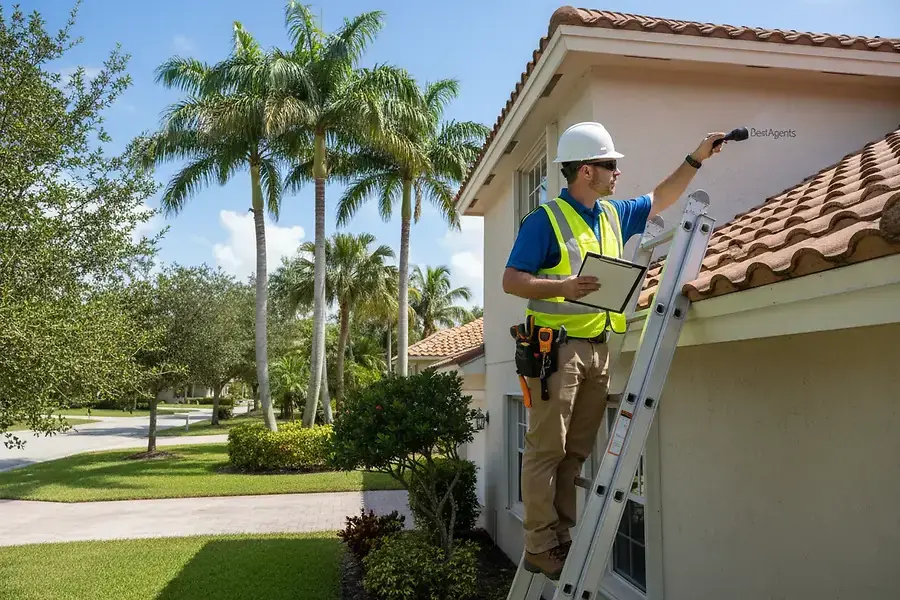
Understanding the Home Inspection Process in Tampa
Purchasing a home is one of the most significant financial decisions you'll make. In the Tampa Bay area, where properties face unique environmental challenges like humidity, salt air, and hurricane exposure, a thorough home inspection is absolutely essential. A professional home inspection typically lasts 2-4 hours and involves a certified inspector examining the property's major systems and structures.
The inspection process in Tampa follows industry standards set by the American Society of Home Inspectors (ASHI). During this time, the inspector will document the condition of the home, identify any defects, and provide you with a detailed report. This report becomes your roadmap for negotiating repairs, requesting credits, or making an informed decision about whether to proceed with the purchase.
Why Tampa Properties Require Special Attention
Tampa Bay's subtropical climate creates specific inspection concerns that buyers must understand. The combination of high humidity, salt spray from the ocean, and intense sun exposure accelerates wear on roofing materials, exterior paint, and metal components. Additionally, the region's flat terrain and proximity to water mean that drainage and foundation issues are more common than in other areas.
Key Areas Inspectors Examine in Florida Homes
Roof and Exterior
The roof is your home's first line of defense against Tampa's weather. Inspectors will examine:
- Shingle condition and age (Florida homes typically need roof replacement every 15-20 years)
- Flashing around chimneys, vents, and skylights
- Gutters and downspouts for proper drainage
- Signs of water damage or leaks
- Exterior walls for cracks, rot, or damage from salt air
Foundation and Structural Integrity
Florida's sandy soil and high water table create unique foundation challenges. Inspectors look for:
- Cracks in the foundation or concrete slab
- Signs of settling or shifting
- Water intrusion or moisture in crawl spaces
- Proper grading to direct water away from the home
- Evidence of previous flooding or water damage
HVAC Systems
In Tampa's heat and humidity, air conditioning systems work overtime. Inspectors evaluate:
- Age and condition of the AC unit
- Proper refrigerant levels
- Ductwork for leaks or damage
- Thermostat functionality
- Maintenance records and service history
Plumbing and Water Systems
Florida's water quality and corrosive environment affect plumbing significantly. Key inspection points include:
- Water pressure and flow rate
- Pipe material (copper, PVC, or older galvanized steel)
- Signs of leaks or water damage
- Water heater age and condition
- Septic system functionality (if applicable)
Electrical Systems
Safety is paramount with electrical systems. Inspectors check:
- Panel condition and proper grounding
- Outlet and switch functionality
- GFCI protection in wet areas
- Proper wiring and no outdated aluminum wiring
- Adequate capacity for modern appliances
Interior Components
Beyond major systems, inspectors examine:
- Windows and doors for proper operation and sealing
- Walls and ceilings for water stains or cracks
- Flooring condition and any signs of moisture
- Appliances included in the sale
- Insulation and ventilation
Red Flags and How to Respond to Inspection Findings
Major Red Flags
Foundation problems are serious concerns that require immediate attention. Large cracks, significant settling, or evidence of water intrusion can be costly to repair. If discovered, request a structural engineer's evaluation before proceeding.
Roof damage or age is another critical issue. A roof nearing the end of its lifespan may need replacement within a few years. Request repair estimates or ask the seller to replace the roof before closing.
Mold or water damage is particularly concerning in Florida's humid climate. Any signs of mold require professional remediation and investigation into the moisture source. This is not something to overlook.
Electrical hazards such as outdated wiring, improper grounding, or overloaded panels pose safety risks. These issues should be corrected by a licensed electrician before purchase.
How to Respond to Inspection Findings
Once you receive the inspection report, you have several options:
- Request repairs: Ask the seller to fix significant issues before closing. This is common for major problems.
- Request credits: The seller provides money at closing to cover repair costs you'll handle yourself.
- Renegotiate price: Use inspection findings to justify a lower purchase price.
- Walk away: If issues are too severe or costly, you may choose to cancel the purchase within your inspection contingency period.
Work closely with your real estate agent and attorney to determine the best course of action. Most inspection contingencies allow 7-10 days to review findings and negotiate with the seller.
Minor Issues to Expect
Not every finding requires action. Minor issues like caulking gaps, small paint touch-ups, or minor landscaping concerns are typically considered normal wear and tear. Focus your negotiation efforts on items that affect safety, functionality, or significant value.
Conclusion: Making Informed Decisions with Inspection Results
A comprehensive home inspection is your best defense against purchasing a property with hidden problems. In Tampa Bay, where environmental factors create unique challenges, understanding what inspectors look for and how to respond to findings is crucial.
Remember that no home is perfect. The inspection report provides valuable information to help you make an informed decision and negotiate fairly. By understanding the inspection process, knowing what to expect, and recognizing red flags, you'll be well-equipped to protect your investment and move forward with confidence.
Take your time reviewing the inspection report, ask your inspector questions, and don't hesitate to seek professional advice for any concerning findings. Your home is likely the largest investment you'll make—ensuring it's sound is worth every effort.


