The Complete Home Inspection Checklist for Vineland, NJ Homebuyers
Master the critical steps to identify potential issues before closing on your Vineland property.

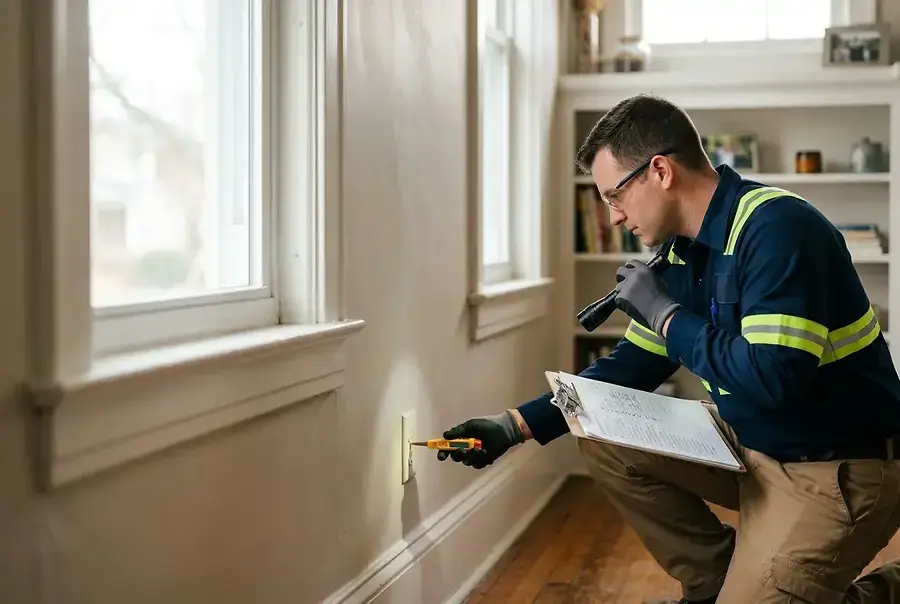
Understanding the Home Inspection Process
A home inspection is one of the most critical steps in the homebuying journey, especially in Vineland, NJ. This professional evaluation provides you with a detailed assessment of your potential property's condition before you commit to the purchase. The inspection typically takes between two to four hours, depending on the home's size and complexity.
During this process, a licensed home inspector will examine both the interior and exterior of the property, evaluating major systems and structural components. Understanding what happens during this inspection empowers you to make informed decisions about your investment. Many homebuyers in Vineland choose to attend the inspection personally, which allows them to ask questions and learn about their future home's maintenance needs.
The inspection is contingent-based, meaning you can typically back out of the purchase or negotiate repairs if significant issues are discovered. This protection is invaluable when investing in a Vineland property, as it gives you leverage to address problems before closing.
What Inspectors Look For in Vineland Homes
Structural Components
Inspectors begin by evaluating the foundation, walls, and overall structural integrity of the home. In Vineland, where many homes have been standing for decades, foundation issues are particularly important to assess. They look for cracks, settling, water damage, and signs of structural movement that could indicate costly repairs ahead.
Roofing and Exterior
The roof is your home's first line of defense against the elements. Inspectors examine shingles, flashing, gutters, and downspouts for wear and damage. They also assess the condition of siding, windows, doors, and any visible exterior damage. Vineland's weather patterns make roof condition particularly critical, as the region experiences significant seasonal changes.
Plumbing Systems
A thorough plumbing inspection includes checking water pressure, drainage, pipe materials, and the condition of fixtures. Inspectors test all faucets, toilets, and showers to ensure proper function. They also examine the water heater and look for signs of leaks or corrosion throughout the system.
Electrical Systems
Electrical safety is paramount. Inspectors verify that the electrical panel is properly grounded, check outlet functionality, and ensure the home meets current electrical codes. Older Vineland homes may have outdated electrical systems that require upgrades for safety and modern appliance compatibility.
HVAC and Climate Control
The heating, ventilation, and air conditioning systems are essential for comfort and health. Inspectors test these systems thoroughly and assess their age and condition. They also examine ductwork, insulation, and ventilation to ensure proper airflow throughout the home.
Interior Components
Inspectors evaluate walls, ceilings, floors, and doors for damage or defects. They check for signs of water damage, mold, pest infestation, and structural issues. Kitchen and bathroom fixtures receive particular attention, as repairs in these areas can be expensive.
How to Interpret Your Inspection Report
Once the inspection is complete, you'll receive a detailed report within a few days. This document can be lengthy and technical, but understanding its structure helps you identify what matters most.
Report Organization
Most inspection reports are organized by system or area of the home. Each section typically includes:
- Observations: What the inspector found during the examination
- Condition ratings: Usually categorized as acceptable, minor issues, or major concerns
- Recommendations: Suggested repairs or further evaluation by specialists
- Photos: Visual documentation of problem areas
Prioritizing Issues
Not all inspection findings require immediate action. Distinguish between:
- Critical issues: Safety hazards or major system failures that need immediate attention
- Important repairs: Significant problems that should be addressed within months
- Maintenance items: Minor issues or routine maintenance recommendations
For example, a faulty electrical panel is critical and must be fixed before closing. A worn roof that needs replacement within five years is important but may be negotiable. Caulking around a bathtub is routine maintenance.
Understanding Inspector Language
Inspectors use specific terminology to describe conditions. Terms like "further evaluation recommended" suggest you should hire a specialist for that particular system. "Deferred maintenance" indicates the home needs regular upkeep. Understanding these phrases helps you gauge the severity of issues.
Next Steps After Receiving Your Report
Review and Consult
Take time to carefully review your inspection report. If anything is unclear, contact your inspector for clarification. Many inspectors offer follow-up consultations to discuss findings in detail. Don't hesitate to ask questions—this is your investment.
Get Specialist Evaluations
For significant issues flagged in the report, consider hiring specialists. A structural engineer can assess foundation concerns, a roofer can evaluate roof condition, and a plumber can inspect complex plumbing issues. These expert opinions provide accurate repair estimates and help you make informed decisions.
Negotiate Repairs or Credits
Armed with your inspection report, you can negotiate with the seller. You have three main options:
- Request that the seller complete repairs before closing
- Ask for a credit toward closing costs to handle repairs yourself
- Request a price reduction reflecting the cost of repairs
In Vineland's competitive market, understanding which issues are negotiable is crucial. Major structural or safety problems are typically non-negotiable, while cosmetic issues may be handled through credits.
Make Your Final Decision
After reviewing the report and negotiating with the seller, decide whether to proceed with the purchase.
Remember: a home inspection protects your financial interests and gives you the information needed to make a confident decision about one of life's largest investments.
Whether you're a first-time homebuyer or an experienced investor in Vineland, understanding the inspection process ensures you're fully prepared to move forward with your purchase with confidence and clarity.


