The Complete Home Inspection Checklist for Williamstown Buyers
Discover what to look for during home inspections to protect your investment and avoid costly surprises.

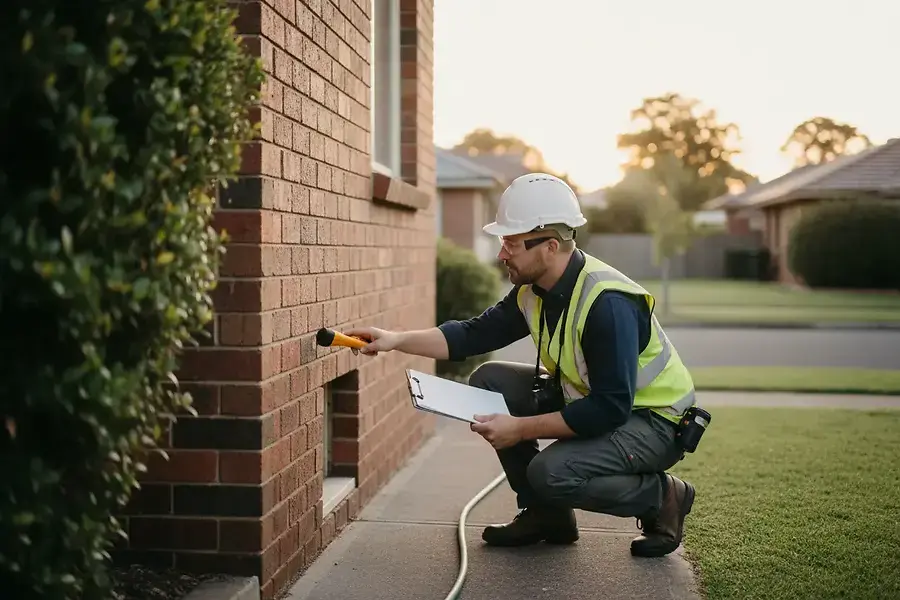
Introduction: Why Home Inspections Matter in Williamstown
Purchasing a home is one of the most significant financial decisions you'll make in your lifetime. In Williamstown's competitive real estate market, a thorough home inspection is your best defense against inheriting costly repairs and structural problems. A professional home inspection provides an objective assessment of a property's condition, giving you the knowledge needed to negotiate effectively and avoid unpleasant surprises after closing.
Many first-time buyers underestimate the importance of inspections, viewing them as an unnecessary expense. However, a comprehensive inspection can reveal hidden issues that might cost thousands to repair. Whether you're buying a historic Victorian or a modern suburban home, understanding what inspectors look for will empower you to make informed decisions.
Critical Areas to Evaluate During Your Home Inspection
Foundation and Structural Integrity
The foundation is the backbone of any home. Inspectors examine the foundation for cracks, settling, water damage, and signs of movement. Look for:
- Horizontal or diagonal cracks in basement walls
- Bowing or leaning walls
- Water stains or moisture accumulation
- Gaps between walls and the foundation
Foundation issues in Williamstown homes can be particularly concerning due to the region's soil composition and weather patterns. Early detection can prevent catastrophic structural failure.
Roof and Attic Condition
Your roof protects everything beneath it. Inspectors evaluate shingle condition, flashing, gutters, and ventilation. Key inspection points include:
- Age and remaining lifespan of roofing materials
- Signs of leaks or water damage in the attic
- Proper ventilation and insulation levels
- Condition of gutters and downspouts
- Chimney integrity and flashing
A roof replacement can easily exceed $10,000, making this inspection area critically important for your budget planning.
Plumbing Systems
Water damage is one of the most expensive problems homeowners face. Inspectors check water pressure, drainage, pipe materials, and signs of leaks. They assess:
- Water supply line integrity and material type
- Drain and sewer line functionality
- Presence of outdated galvanized pipes
- Water heater condition and age
- Visible leaks or water stains
Older Williamstown homes may have outdated plumbing that requires modernization, which should factor into your offer negotiations.
Electrical Systems
Faulty electrical systems pose serious safety risks. Professional inspectors examine:
- Panel capacity and condition
- Proper grounding and bonding
- Presence of outdated knob-and-tube wiring
- GFCI outlets in wet areas
- Overall code compliance
Electrical upgrades can be expensive, so understanding the current system's condition is essential before making an offer.
HVAC Systems
Heating and cooling systems are vital for comfort and energy efficiency. Inspectors evaluate:
- Age and condition of furnace and air conditioning units
- Proper ductwork installation and sealing
- Thermostat functionality
- Filter accessibility and maintenance history
Understanding the remaining lifespan of these systems helps you budget for future replacements.
Red Flags and Warning Signs That Require Professional Assessment
Water Damage and Mold
Water intrusion is a silent destroyer. Look for water stains on ceilings, walls, or in basements. Mold growth indicates moisture problems that can affect your family's health. These issues often require specialized remediation and should be thoroughly investigated.
Pest Infestations
Evidence of termites, carpenter ants, or rodents can indicate serious structural damage. Never ignore pest signs—they can compromise the integrity of wooden structural elements and require professional pest control assessment.
Outdated or Unsafe Systems
Knob-and-tube wiring, asbestos insulation, and lead paint are common in older Williamstown homes. These materials pose health and safety risks and may require professional abatement, significantly impacting your budget.
Poor Ventilation and Moisture Issues
Inadequate attic ventilation, bathroom exhaust fans venting into attics, or crawl space moisture problems can lead to rot, mold, and structural damage. These issues require professional remediation to prevent long-term problems.
Roof and Chimney Problems
Missing shingles, deteriorated flashing, or cracked chimneys indicate immediate repair needs. Roof leaks can cause extensive interior damage, making this a critical inspection area.
Foundation Cracks and Movement
While minor cracks are common, significant cracks, bowing walls, or signs of settling warrant professional structural engineer evaluation. These issues can be expensive to repair and may affect the home's insurability.
Conclusion: Using Inspection Results to Make Confident Offers
A comprehensive home inspection is your opportunity to make an informed decision about one of life's biggest purchases. Armed with detailed inspection findings, you can:
- Negotiate repairs or credits with the seller
- Budget for necessary improvements and upgrades
- Identify deal-breakers before committing to purchase
- Plan long-term maintenance and replacement schedules
Don't view the inspection as a hurdle to overcome—see it as an investment in your peace of mind. A thorough inspection protects your financial interests and helps you understand exactly what you're purchasing. In Williamstown's real estate market, informed buyers make better decisions and avoid costly surprises down the road.
Take the time to attend your inspection, ask questions, and request detailed documentation of all findings. Your future self will thank you for the diligence you invest today.


