The Complete Home Inspection Checklist: What Every Buyer Should Know
Discover what to look for during a home inspection to avoid costly surprises and make a confident purchase decision.

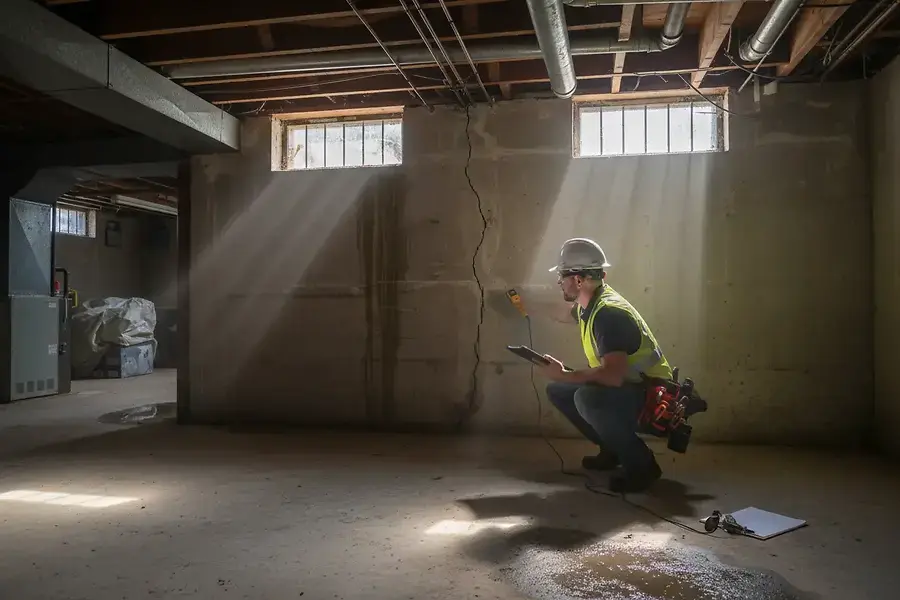
Why Home Inspections Matter for Buyers
Purchasing a home is one of the most significant financial decisions you'll make in your lifetime. A professional home inspection is your safeguard against inheriting costly repairs and hidden defects. Unlike the initial walkthrough, a thorough inspection examines every system and structural component of the property, providing you with critical information to negotiate repairs, request credits, or walk away if necessary.
Many first-time buyers underestimate the importance of inspections, viewing them as an optional expense. However, skipping this crucial step could cost you tens of thousands of dollars in unexpected repairs. A comprehensive inspection typically costs between $300 and $500 but can save you from purchasing a property with serious issues.
Essential Structural and Foundation Elements to Evaluate
Foundation and Basement Assessment
The foundation is the backbone of any home. During inspection, look for:
- Cracks in the foundation – Small hairline cracks are normal, but large or widening cracks indicate serious problems
- Water damage and moisture – Signs of past or present water intrusion in basements or crawl spaces
- Settling or shifting – Uneven floors or doors that don't close properly may indicate foundation movement
- Efflorescence – White, chalky deposits on foundation walls suggest water seepage
Roof and Attic Inspection
Your roof protects everything beneath it. Inspectors will evaluate:
- Age and condition of roofing materials
- Proper ventilation and insulation in the attic
- Signs of leaks, water stains, or mold growth
- Flashing around chimneys and vents
- Gutters and downspout functionality
A roof replacement can cost $10,000 to $25,000 or more, making this assessment critical.
Exterior and Siding Evaluation
Examine the home's exterior for deterioration, proper drainage, and structural integrity. Check for rotting wood, damaged siding, and adequate grading that directs water away from the foundation.
Critical Systems: Plumbing, Electrical, HVAC, and Roof Assessment
Plumbing System Review
Water-related issues are among the most expensive to repair. Your inspector should:
- Test water pressure and flow from all fixtures
- Check for leaks under sinks and around toilets
- Evaluate the age and type of pipes (galvanized, copper, PVC)
- Assess the water heater's condition and age
- Look for signs of previous water damage or mold
Pro tip: Older homes with galvanized pipes may need replacement soon, which is an expensive undertaking.
Electrical System Inspection
Electrical issues pose safety hazards and fire risks. Inspectors examine:
- The main electrical panel and circuit breaker condition
- Proper grounding and bonding throughout the home
- Adequate outlets and no signs of overloaded circuits
- Outdated wiring systems (knob-and-tube or aluminum wiring)
- GFCI outlets in bathrooms and kitchens
HVAC System Assessment
Heating, ventilation, and air conditioning systems are essential for comfort and indoor air quality. The inspector will:
- Test heating and cooling functionality
- Evaluate the age and maintenance history of the system
- Check ductwork for leaks or damage
- Assess thermostat operation
HVAC replacement can cost $5,000 to $15,000, so understanding the system's remaining lifespan is valuable.
Red Flags and Next Steps: Understanding Inspection Reports and Negotiation Strategies
Major Red Flags to Watch For
A thorough inspection report should clearly distinguish between minor maintenance issues and major structural or system problems.
Critical issues that warrant serious consideration include:
- Foundation cracks or settling problems
- Roof damage requiring imminent replacement
- Outdated or faulty electrical systems
- Plumbing issues or water damage
- Evidence of pest infestation or mold
- HVAC systems nearing end of life
Interpreting Your Inspection Report
Professional inspectors provide detailed reports categorizing findings by severity. Take time to understand each item and ask your inspector to explain anything unclear. Don't ignore minor issues either – they can compound into major problems if left unaddressed.
Negotiation Strategies
Once you have the inspection report, you have several options:
- Request repairs: Ask the seller to fix major issues before closing
- Request credits: Negotiate a reduction in the purchase price to cover repairs yourself
- Request inspections: Have specialists evaluate specific systems in detail
- Renegotiate or walk away: If issues are too severe, you may choose to exit the deal
The key is understanding what repairs are necessary versus cosmetic, and prioritizing your concerns based on safety and cost.
Empowering Yourself Through Knowledge
A home inspection is your opportunity to make an informed decision about one of life's biggest purchases. By understanding what to look for and how to interpret findings, you protect your investment and avoid costly surprises down the road.
Don't hesitate to hire a qualified, licensed home inspector and attend the inspection if possible. Ask questions, take notes, and request clarification on any concerns. Remember, knowledge is power – and in real estate, it's also financial security.
Armed with a comprehensive inspection report and a clear understanding of the property's condition, you can negotiate confidently and move forward with your purchase knowing you've done your due diligence.