The Complete Home Inspection Checklist: What Smart Buyers Must Know
Discover the critical inspection points that protect your investment and reveal hidden property issues before closing day.

Understanding the Home Inspection Process: Why It Matters for Buyers
Purchasing a home is one of the most significant financial decisions you'll make in your lifetime. A professional home inspection is your safeguard against costly surprises and hidden defects that could drain your savings. Unlike a simple appraisal, which determines market value, a home inspection provides a detailed assessment of the property's physical condition.
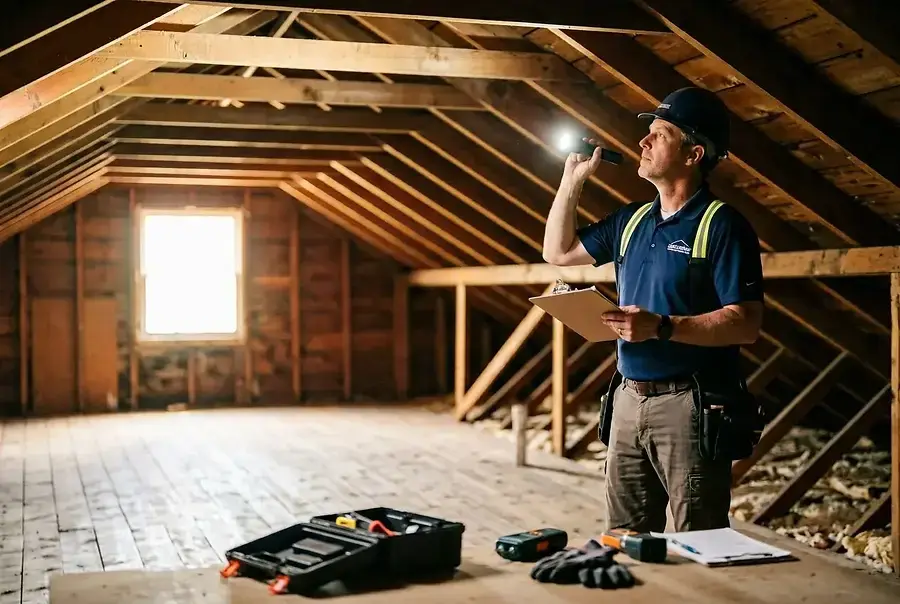
During a typical inspection, a certified inspector spends 2-4 hours examining every accessible component of the home. They evaluate structural integrity, mechanical systems, safety features, and potential hazards. This thorough evaluation gives you the knowledge needed to make informed decisions and protects you from inheriting someone else's problems.
Why should you prioritize this step? Many buyers skip or rush inspections to close deals quickly, but this is a critical mistake. An inspection report can reveal issues ranging from minor cosmetic concerns to major structural problems that could cost tens of thousands of dollars to repair.
Essential Areas to Evaluate: Foundation, Roof, Systems, and Safety Features
Foundation and Structural Components
The foundation is literally the backbone of your home. Inspectors look for cracks, settling, water damage, and signs of foundation movement. Key concerns include:
- Horizontal or diagonal cracks in basement walls
- Uneven or sloping floors
- Water intrusion or moisture problems
- Evidence of past or ongoing repairs
Foundation issues are expensive to fix and can affect the entire property's value and safety. Don't overlook even minor cracks—they can indicate larger structural problems.
Roof and Exterior Systems
Your roof protects everything beneath it. Inspectors assess shingle condition, flashing integrity, gutters, and drainage systems. Critical evaluation points:
- Age and remaining lifespan of roofing materials
- Signs of leaks or water damage in attic spaces
- Proper ventilation and insulation
- Condition of siding, windows, and exterior doors
A roof replacement can easily cost $10,000-$30,000 or more, making this one of the most important inspection areas.
Mechanical and Electrical Systems
These systems keep your home comfortable and functional. Inspectors test heating, cooling, plumbing, and electrical systems for safety and efficiency. Areas of focus include:
- HVAC system age, condition, and functionality
- Water heater capacity and condition
- Electrical panel safety and code compliance
- Plumbing for leaks, corrosion, and proper drainage
- Presence of outdated or hazardous materials
Safety Features and Environmental Concerns
Modern inspections include checks for safety hazards and environmental issues. Important safety considerations:
- Presence of asbestos, lead paint, or mold
- Carbon monoxide and radon levels
- Proper grounding and GFCI outlets in wet areas
- Adequate handrails and stair safety
- Fire safety features and smoke detectors
Red Flags and Deal-Breakers: How to Interpret Inspection Reports
Inspection reports can be overwhelming with technical jargon and numerous findings. Learning to distinguish between minor issues and serious problems is essential.
Understanding Severity Levels
Professional inspectors typically categorize findings by severity. Common classifications include:
- Immediate Attention Required: Safety hazards or major system failures that need urgent repair
- Significant Concern: Major components nearing end of life or showing substantial wear
- Monitor: Items that are functional but may need attention in the future
- Cosmetic: Minor issues that don't affect functionality or safety
Common Deal-Breakers
Certain findings should seriously concern you and may warrant walking away from the deal:
- Severe foundation damage or active settling
- Extensive mold or water damage
- Outdated electrical systems with safety hazards
- Failing septic systems or major plumbing issues
- Significant structural damage or pest infestation
- Hazardous materials like asbestos in poor condition
Remember: Not every finding is a deal-breaker. Many issues are manageable and can be factored into your negotiation strategy.
Using Inspection Results to Negotiate: Strategic Steps to Protect Your Purchase
Preparing for Negotiations
Once you receive the inspection report, you have leverage to negotiate. Strategic steps include:
- Obtain repair estimates from licensed contractors for major issues
- Research typical repair costs in your area
- Prioritize which issues are most important to address
- Determine your walk-away point before negotiations begin
Negotiation Options
You have several options when addressing inspection findings:
- Request repairs: Ask the seller to fix issues before closing
- Request credits: Negotiate a reduction in purchase price to cover repairs yourself
- Request inspections: Ask for specialized inspections on specific systems
- Renegotiate terms: Adjust closing timeline or other contract terms
Protecting Your Interests
When negotiating, keep these principles in mind:
- Be reasonable—sellers are more likely to cooperate with fair requests
- Focus on safety issues and major systems first
- Get everything in writing as part of your purchase agreement
- Consider having a contractor verify seller repairs before closing
- Don't waive your inspection contingency without careful consideration
A thorough home inspection is not an expense—it's an investment in your peace of mind and financial security. The small cost of an inspection can save you from making a six-figure mistake.
Final Thoughts
Armed with a comprehensive inspection report and knowledge of what to look for, you're equipped to make confident decisions about your home purchase. Don't let the complexity of inspection reports intimidate you. Ask your inspector questions, request clarifications, and use the findings to negotiate terms that protect your investment. Your future self will thank you for taking this crucial step seriously.