The Complete Home Inspection Guide for Homebuyers
What every residential buyer should know before making their final offer.

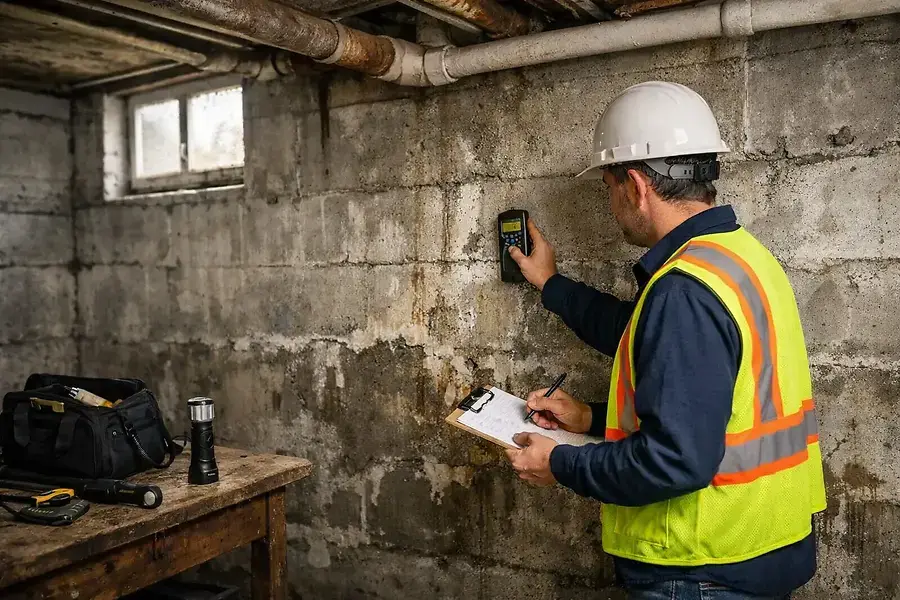
Understanding the Home Inspection Process
A home inspection is one of the most critical steps in the homebuying journey. This thorough examination of a property's structural integrity, systems, and components provides you with essential information before you commit to a purchase. In many markets, where homes range from historic properties to modern constructions, understanding what inspectors look for can save you thousands of dollars.
What Happens During a Home Inspection
A professional home inspector will spend two to three hours examining your potential new home. They evaluate:
- Structural components – Foundation, walls, roof, and framing
- Electrical systems – Wiring, panels, and outlets
- Plumbing systems – Pipes, fixtures, and water pressure
- HVAC systems – Heating, cooling, and ventilation
- Appliances – Included items and their functionality
- Insulation and ventilation – Energy efficiency factors
- Interior and exterior conditions – Walls, ceilings, windows, and doors
Choosing the Right Inspector
Select an inspector who is licensed and properly certified in your state or region. Look for professionals with experience inspecting homes similar to the one you are considering, as they understand common building practices, materials, and environmental factors that may affect properties in different markets. Ask for references and verify their credentials before hiring.
Common Issues Found in Many Homes
Climate conditions, property age, and maintenance history can create predictable patterns of wear and damage. Being aware of these common issues helps you ask the right questions and understand inspection findings.
Foundation and Basement Problems
Many homes experience foundation settling and occasional water intrusion over time. Basement moisture is particularly common in properties with below-grade spaces or areas with fluctuating groundwater levels. Look for efflorescence (white mineral deposits), cracks, or signs of previous water damage during your inspection.
Roof and Weather-Related Damage
Weather conditions such as rain, snow, wind, and temperature changes can take a toll on roofing systems. Inspectors frequently find missing shingles, deteriorated flashing, and compromised gutters. The age of the roof is critical; most asphalt shingles last approximately 15–20 years.
Aging Electrical and Plumbing Systems
Older homes may have outdated electrical panels, aluminum wiring, or galvanized pipes that are nearing the end of their lifespan. These systems may still function properly but could require replacement within a few years. Understanding the age and condition of these systems helps buyers budget for future upgrades.
HVAC System Concerns
Heating and cooling systems play a major role in a home's comfort and efficiency. Inspectors often find aging furnaces or air conditioning units, inadequate maintenance, or systems that are approaching replacement age. Identifying potential issues early allows buyers to plan for maintenance or replacement.
Exterior Maintenance Issues
Siding deterioration, rotting wood trim, and damaged windows are common findings during inspections. While these issues may appear cosmetic at first, they can lead to more serious structural problems if left unaddressed.
How to Use Inspection Reports to Negotiate Better Deals
The inspection report is your negotiating tool. Understanding how to interpret and leverage findings can result in significant savings or necessary repairs.
Categorizing Inspection Findings
Divide issues into three categories:
- Critical issues – Safety hazards or major system failures requiring immediate attention
- Important repairs – Significant problems that should be addressed soon
- Minor concerns – Small issues that can be deferred or handled during routine maintenance
Negotiation Strategies
You have several options when the inspection reveals problems:
- Request repairs – Ask the seller to fix critical issues before closing
- Request credits – Negotiate a price reduction to cover repair costs yourself
- Request inspections – Ask for specialized inspections (radon, mold, termites) if concerns arise
- Walk away – If major issues exceed your comfort level or budget, you have the right to withdraw
Pro tip: Get repair estimates from contractors before negotiating. Sellers are more likely to accept requests backed by concrete numbers.
Understanding Inspection Contingencies
Your purchase agreement should include an inspection contingency—a clause allowing you to renegotiate or withdraw if significant problems are discovered. This protection is essential in many real estate transactions and helps buyers proceed with confidence.
Making Your Final Purchase Decision with Confidence
The inspection report provides the foundation for your final decision. Use this information wisely to move forward with confidence.
Evaluating the Big Picture
Consider the inspection findings in context. A 40-year-old home will naturally have more wear than a 10-year-old home. The question isn't whether issues exist, but whether they're consistent with the home's age and price point.
Planning for Future Maintenance
Use the inspection report to create a maintenance timeline. Understanding which systems need attention in the next 1–5 years helps you budget appropriately and avoid surprises after purchase.
Getting Professional Opinions
For significant concerns, hire specialists. A structural engineer can assess foundation issues, a roofer can evaluate roof condition, and an electrician can review electrical systems. These targeted inspections provide clarity and strengthen your negotiating position.
Trust Your Instincts
The inspection report is a tool, not a verdict. If a home feels right and the issues are manageable, move forward. If red flags persist or repair costs seem excessive, trust your judgment and continue your search. The right home for you is out there.
Remember: A thorough home inspection is an investment in your peace of mind and financial security. The insights gained from an inspection empower buyers to make informed decisions and negotiate effectively. Take your time, ask questions, and don't hesitate to seek professional guidance when needed.


