The Complete Home Inspection Guide for Albuquerque Home Buyers
Protect your investment by understanding what home inspectors look for and how to interpret their findings before closing.

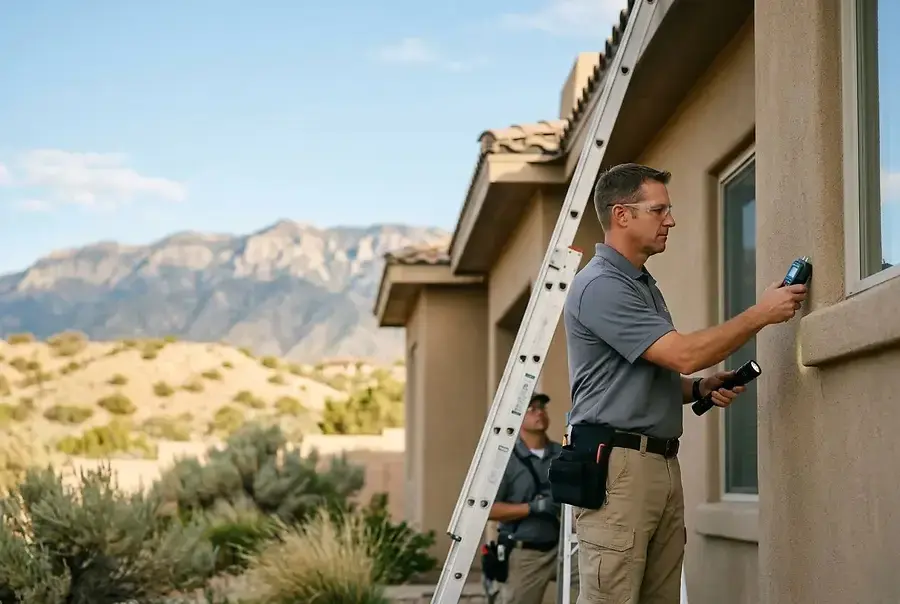
What Professional Home Inspectors Evaluate in Albuquerque Homes
A professional home inspection is one of the most critical steps in the home buying process. In Albuquerque, where homes face unique environmental challenges including intense sun exposure, low humidity, and occasional seismic activity, inspectors conduct thorough evaluations to protect your investment.
Structural Components
Home inspectors begin by examining the foundation, walls, and overall structural integrity. In Albuquerque, inspectors pay special attention to foundation cracks and settling issues that can develop due to the region's clay-heavy soil composition. They assess the roof condition, checking for damaged shingles, proper ventilation, and water damage that could lead to costly repairs.
Electrical and Plumbing Systems
Inspectors evaluate your home's electrical panel, wiring, and outlets to ensure they meet current safety codes. They test plumbing fixtures, check for leaks, and assess water pressure throughout the home. In Albuquerque's dry climate, inspectors also look for mineral buildup in pipes and water heaters, which is common in areas with hard water.
HVAC and Climate Control
Given Albuquerque's extreme temperature variations, inspectors thoroughly examine heating and cooling systems. They check furnace efficiency, air conditioning performance, and ductwork integrity. Proper insulation is particularly important in this region, so inspectors assess attic insulation levels and air sealing around windows and doors.
Interior and Exterior Features
Inspectors examine doors, windows, flooring, and walls for damage or wear. They check for signs of pest infestation, mold, and water intrusion. Exterior evaluations include the condition of siding, gutters, drainage systems, and landscaping that might affect the home's foundation.
Common Issues Found in Albuquerque Properties and Repair Cost Estimates
Foundation and Settling Issues
Foundation cracks are among the most common findings in Albuquerque homes. Minor hairline cracks typically cost $300-$800 to repair, while more serious structural issues can range from $2,000-$10,000 or more depending on severity.
Roof Damage and Deterioration
Albuquerque's intense UV radiation causes premature roof aging. Replacing a roof typically costs $8,000-$15,000 for an average home. Minor repairs like replacing damaged shingles run $200-$500 per section.
HVAC System Failures
Air conditioning units are essential in Albuquerque. Replacing a complete HVAC system costs $5,000-$8,000, while repairs to existing units range from $300-$2,000 depending on the issue.
Plumbing and Water Heater Problems
Water heater replacement typically costs $1,200-$2,500. Pipe repairs for mineral buildup or leaks range from $500-$3,000 depending on the extent of the problem.
Electrical System Updates
Outdated electrical panels or wiring issues may require upgrades costing $1,500-$5,000. Individual outlet or switch replacements are much more affordable at $100-$300 each.
Pest Infestation
Termite or pest treatments typically cost $300-$1,000 for initial treatment, with ongoing prevention plans ranging from $50-$150 monthly.
How to Use Inspection Reports to Negotiate Better Offers
Prioritize Major Issues
Not all inspection findings require negotiation. Focus on significant structural, safety, or system issues that will cost substantial money to repair. Minor cosmetic issues are typically the buyer's responsibility after closing.
Get Repair Estimates
Before negotiating, obtain written estimates from licensed contractors for major repairs. This gives you concrete numbers to present to sellers and strengthens your negotiating position. Sellers are more likely to respond to specific repair costs than vague concerns.
Request Seller Repairs or Credits
You have three options when issues are discovered: request the seller make repairs before closing, ask for a credit toward closing costs, or negotiate a price reduction. In Albuquerque's competitive market, sellers often prefer price reductions to avoid delays, but always present your preferred option first.
Understand Local Market Conditions
In a seller's market, you may have less negotiating power. However, significant safety issues or major system failures are negotiable regardless of market conditions. Inspectors' findings about code violations or safety hazards carry particular weight in negotiations.
Don't Use Inspection Results as a Renegotiation Tool
Attempting to renegotiate based on minor issues discovered after inspection can damage your credibility and may cause the seller to walk away. Use inspection findings strategically for legitimate concerns only.
Review the Inspection Timeline
Most purchase agreements include an inspection contingency period—typically 7-10 days. Use this time wisely to obtain estimates and prepare your negotiation strategy before the deadline.
Closing Thoughts: Making Informed Decisions with Inspection Data
A professional home inspection is an investment in your peace of mind and financial security. In Albuquerque, where unique environmental factors affect home durability, understanding inspection findings is particularly valuable.
Remember that no home is perfect. The goal of an inspection isn't to find reasons to walk away, but to understand what you're buying and plan for future maintenance. Use inspection data to make informed decisions about whether the property represents good value at the negotiated price.
Work closely with your real estate agent and inspector to interpret findings accurately. Ask questions about severity levels, safety implications, and repair timelines. This knowledge empowers you to negotiate effectively and move forward with confidence in your Albuquerque home purchase.


