The Complete Home Inspection Guide for Albuquerque Homebuyers
Discover the critical inspection points that can save you thousands when purchasing a home in Albuquerque's diverse neighborhoods.

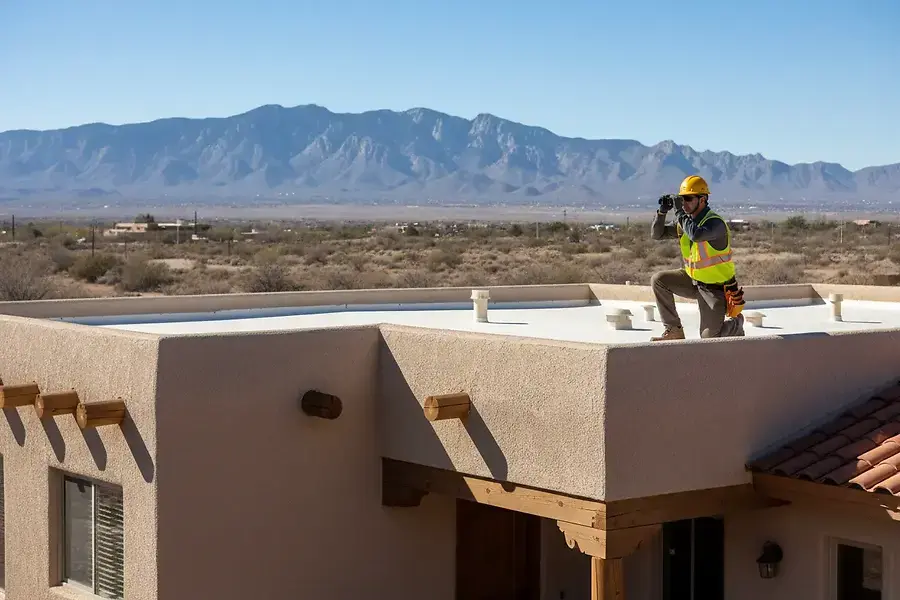
Why Home Inspections Matter in Albuquerque's Market
Purchasing a home is one of the most significant investments you'll make in your lifetime. In Albuquerque's competitive real estate market, a thorough home inspection can be the difference between finding your dream home and inheriting costly problems. Whether you're buying in the North Valley, Northeast Heights, or the historic downtown areas, understanding what to look for during an inspection is crucial.
Home inspections provide an objective assessment of a property's condition, revealing hidden issues that could affect your safety, comfort, and financial investment. In Albuquerque's unique climate—with intense sun, occasional heavy rains, and temperature fluctuations—certain structural and mechanical issues are more common than in other regions. A professional inspector familiar with local conditions can identify problems specific to our area that a general inspector might miss.
The benefits of a comprehensive home inspection include:
- Identifying safety hazards before they become emergencies
- Uncovering deferred maintenance that could cost thousands to repair
- Providing negotiating power to request repairs or price reductions
- Giving you peace of mind about your investment
- Creating a maintenance roadmap for future homeownership
Essential Inspection Areas: Roof, Foundation, and HVAC Systems
The Roof: Your Home's First Line of Defense
Albuquerque's intense UV radiation and occasional hail storms make roof condition critically important. During an inspection, your inspector should examine:
- Shingle condition and signs of deterioration or curling
- Flashing around chimneys, vents, and skylights
- Gutters and downspouts for proper drainage
- Evidence of leaks or water damage in the attic
- Roof age and remaining lifespan
A roof replacement can easily cost $8,000 to $15,000 or more, making this inspection area one of the most important. Look for signs of previous repairs or patches, which may indicate ongoing issues.
The Foundation: Structural Integrity Matters
Albuquerque's clay-heavy soil can shift with moisture changes, potentially affecting foundations. Inspectors should look for:
- Cracks in the foundation or basement walls
- Signs of settling or uneven floors
- Water intrusion or dampness in basements or crawl spaces
- Proper grading around the home to direct water away
- Evidence of previous foundation repairs
Minor cracks are often normal, but diagonal or horizontal cracks may indicate serious structural problems requiring professional evaluation.
HVAC Systems: Essential in Albuquerque's Climate
With scorching summers and cold winters, your heating and cooling system is vital. The inspection should cover:
- Age and condition of the air conditioning unit
- Furnace functionality and safety
- Ductwork for leaks or damage
- Thermostat operation and accuracy
- Refrigerant levels and system efficiency
A failing AC unit in Albuquerque can be a serious problem during summer months. Replacement costs typically range from $3,000 to $7,000, so understanding the system's condition is essential.
Water, Electrical, and Plumbing: Common Issues in Albuquerque Homes
Plumbing Systems and Water Quality
Albuquerque's hard water and aging infrastructure in some neighborhoods create unique plumbing challenges. Inspectors should evaluate:
- Water pressure and flow rates
- Pipe material and condition (galvanized, copper, or PEX)
- Signs of leaks under sinks, around toilets, or in walls
- Water heater age, condition, and capacity
- Sewer line integrity and proper drainage
Galvanized pipes, common in older Albuquerque homes, often need replacement due to corrosion and mineral buildup. This can be an expensive undertaking, so understanding your home's plumbing system is crucial.
Electrical Systems: Safety First
Electrical issues pose serious safety risks. Your inspector should examine:
- Panel condition and capacity for modern electrical demands
- Presence of outdated or dangerous wiring (knob-and-tube, aluminum)
- Proper grounding and bonding
- GFCI outlets in kitchens, bathrooms, and outdoor areas
- Adequate number of outlets and circuits
Homes built before the 1980s may have electrical systems that don't meet current safety standards. Upgrading an electrical panel can cost $1,500 to $3,000, but it's a worthwhile investment for safety and insurance purposes.
Water Intrusion and Moisture Issues
While Albuquerque is generally dry, water intrusion remains a concern, especially during monsoon season. Look for:
- Water stains on ceilings or walls
- Mold or mildew in bathrooms, basements, or crawl spaces
- Efflorescence (white mineral deposits) on foundation walls
- Proper drainage around the home's perimeter
- Condition of windows and doors for proper sealing
Addressing water intrusion early prevents costly mold remediation and structural damage down the road.
Making Informed Decisions with Professional Guidance
A professional home inspection is an investment that typically costs $300 to $500 but can save you thousands in unexpected repairs. When selecting an inspector, ensure they are:
- Licensed and insured in New Mexico
- Members of professional organizations like ASHI or NAHI
- Experienced with Albuquerque's specific climate and construction styles
- Willing to explain findings clearly and answer your questions
- Able to provide a detailed written report
Remember: A home inspection is not a pass-or-fail evaluation. Rather, it's a detailed assessment that helps you understand what you're buying and what maintenance or repairs may be needed.
After receiving the inspection report, you have several options: request repairs from the seller, negotiate a price reduction, or walk away if issues are too significant. Many issues discovered during inspection can be negotiated, potentially saving you tens of thousands of dollars.
Buying a home in Albuquerque is an exciting opportunity. By investing in a thorough home inspection and understanding the results, you're taking a crucial step toward protecting your investment and ensuring your new home is safe, sound, and ready for your family. Don't skip this essential step—your future self will thank you.


