The Complete Home Inspection Guide for Amherst, Ohio Homebuyers
Learn what to look for during inspections to protect your investment in an Amherst property.

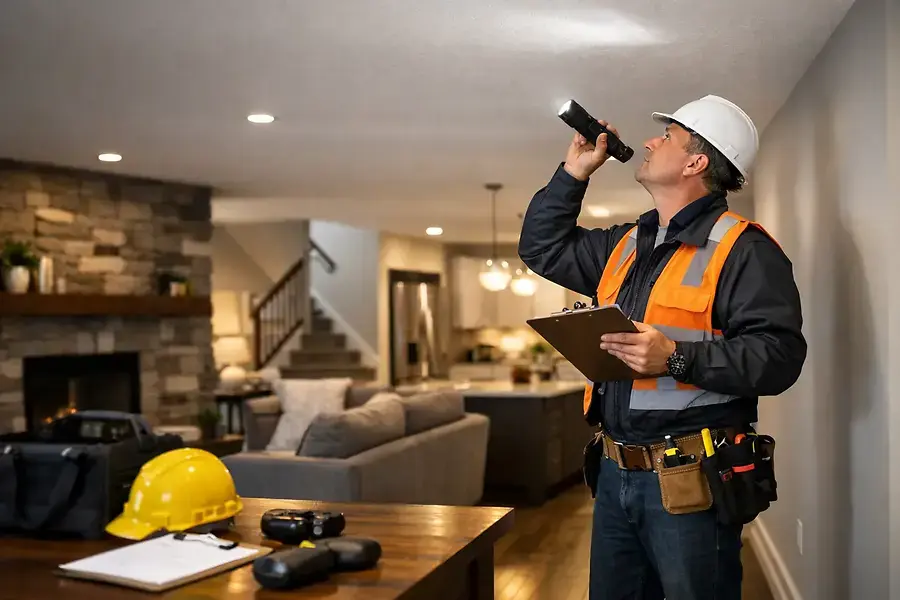
Understanding the Home Inspection Process
A home inspection is one of the most critical steps in the homebuying process. This thorough evaluation of a property's condition helps you make an informed decision before committing to such a significant investment. In Amherst, Ohio, most home inspections take between two to four hours, depending on the property's size and age.
During a standard inspection, a certified home inspector will examine the property's structural components, mechanical systems, and overall condition. It's essential to be present during the inspection so you can ask questions and understand any issues the inspector discovers. The inspector will provide a detailed report outlining their findings, which can be used to negotiate repairs or price adjustments with the seller.
What to Expect During Your Inspection
Your inspector will evaluate multiple systems and components throughout the home. They'll check the roof, foundation, walls, and exterior condition. Interior inspections include examining plumbing, electrical systems, HVAC units, and appliances. The inspector will also assess insulation, ventilation, and moisture levels in various areas of the home.
Key Areas to Evaluate in Amherst Homes
Foundation and Structural Integrity
The foundation is the backbone of any home. In Amherst, inspectors pay special attention to signs of settling, cracks, or water damage. Look for horizontal cracks, which are more concerning than vertical ones, as they may indicate serious structural problems. Basement moisture is also common in Ohio properties and should be thoroughly evaluated.
Roof and Exterior
Ohio's weather can be harsh on roofing materials. Inspectors will check for missing or damaged shingles, proper flashing around chimneys and vents, and adequate drainage. The gutters and downspouts should direct water away from the foundation. Roof age is crucial—most asphalt shingles last 15-20 years, and replacement can be expensive.
Plumbing Systems
Water quality and plumbing functionality are essential considerations. Inspectors test water pressure, check for leaks, and examine the condition of pipes. In older Amherst homes, you may encounter galvanized or cast iron pipes that may need replacement. Proper water drainage and sump pump functionality are particularly important given Ohio's precipitation levels.
Electrical Systems
A safe electrical system is non-negotiable. Inspectors verify that the electrical panel is properly grounded, check for outdated wiring, and ensure outlets are functioning correctly. Aluminum wiring, found in some homes built in the 1960s-1970s, can pose fire hazards and may require professional evaluation or replacement.
HVAC and Heating
Heating systems are vital in Ohio winters. Inspectors test furnaces, heat pumps, and air conditioning units to ensure they operate efficiently. They'll check for proper ventilation and carbon monoxide safety. The age and condition of your HVAC system directly impact heating costs, so understanding its remaining lifespan is important.
Common Issues Found in Ohio Properties
Water Damage and Moisture Problems
Ohio's humid climate and significant rainfall make water damage a common concern. Inspectors look for:
- Basement dampness or active leaks
- Mold growth in crawl spaces or attics
- Water stains on ceilings and walls
- Poor grading around the foundation
Addressing moisture issues early prevents costly mold remediation and structural damage.
Outdated or Unsafe Wiring
Older Amherst homes may have outdated electrical systems that don't meet current safety standards. Knob-and-tube wiring and aluminum wiring are particular concerns that may require professional attention or replacement.
Roof and Attic Issues
Beyond age-related wear, inspectors commonly find inadequate ventilation, insufficient insulation, and pest damage in attics. These issues can lead to increased energy costs and potential structural problems.
Plumbing Deterioration
Older homes may have corroded pipes, outdated fixtures, or inadequate water pressure. Cast iron drain pipes can deteriorate over time, potentially requiring expensive replacement.
Taking Action on Inspection Results
Reviewing Your Inspection Report
Once you receive the inspection report, take time to understand all findings. Reports typically categorize issues by severity. Focus on major structural, safety, and system issues first, as these have the greatest impact on your investment.
Negotiating with the Seller
Use inspection results as a basis for negotiation. You have several options:
- Request the seller make repairs before closing
- Ask for a price reduction to cover repair costs
- Request a credit at closing for repairs
- Accept the property as-is and plan your own repairs
Be reasonable in your requests—minor cosmetic issues typically don't warrant renegotiation, but significant structural or safety concerns absolutely do.
Planning for Future Repairs
Even if the seller addresses major issues, create a maintenance plan for items noted in the inspection. Budget for upcoming repairs like roof replacement or HVAC maintenance so you're financially prepared. This helps protect your investment long-term.
Getting Second Opinions
For major concerns identified in the inspection, consider hiring specialists. A structural engineer can evaluate foundation issues, a plumber can assess pipe conditions, and an electrician can review electrical safety. These expert opinions provide clarity and help you make informed decisions.
A thorough home inspection is your best defense against unexpected problems and costly repairs. By understanding what inspectors look for and taking action on their findings, you'll protect your Amherst property investment and ensure you're making a sound financial decision. Don't skip this crucial step in the homebuying process.


