The Complete Home Inspection Guide for Bloomington Homebuyers
Discover what professional inspectors evaluate and how to protect your investment before closing day.

Understanding the Home Inspection Process
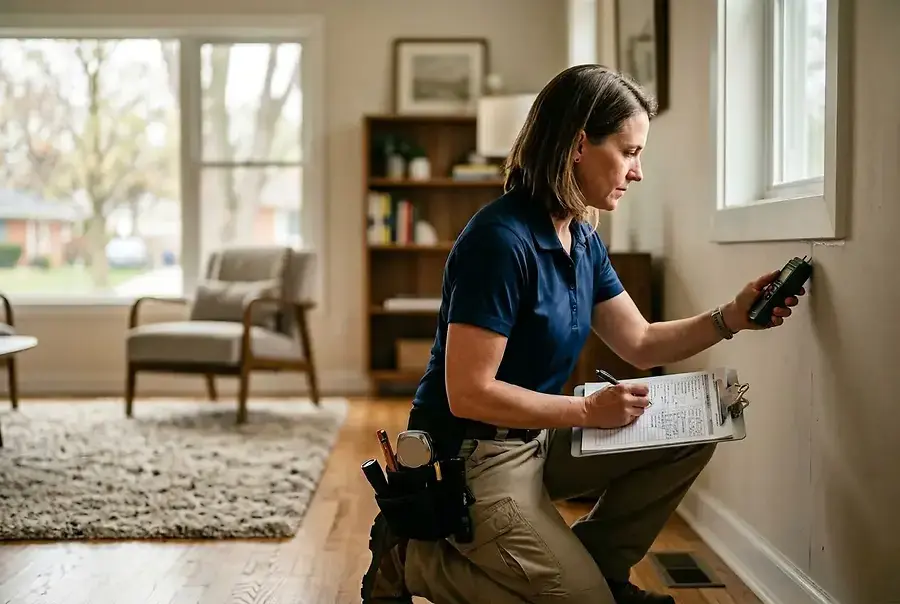
A home inspection is one of the most critical steps in the homebuying process. This comprehensive evaluation by a licensed professional examines the structural integrity, systems, and overall condition of a property. For Bloomington homebuyers, understanding what happens during an inspection can help you make informed decisions and avoid costly surprises after closing.
The inspection typically takes two to four hours and involves a thorough walkthrough of the entire property, both inside and out. As the buyer, you have the right to be present during the inspection, and it's highly recommended that you attend. This gives you the opportunity to ask questions and understand any issues firsthand.
A professional home inspector will document their findings in a detailed report, usually provided within 24 to 48 hours. This report becomes a crucial negotiating tool and helps you understand the true condition of your potential new home.
Key Areas Inspectors Evaluate in Bloomington Homes
Structural Components
Inspectors carefully examine the foundation, walls, and roof structure. In Bloomington, where weather patterns can be variable, inspectors pay special attention to signs of water damage, settling, or structural cracks that could indicate serious problems.
Roofing and Exterior
The roof is one of the most expensive components to replace. Inspectors assess:
- Shingle condition and age
- Flashing around chimneys and vents
- Gutters and downspouts
- Siding and exterior walls
- Windows and doors
Plumbing Systems
A thorough plumbing inspection includes checking water pressure, drainage, and the condition of pipes. Inspectors look for leaks, corrosion, and outdated materials that may need replacement soon.
Electrical Systems
Inspectors verify that the electrical panel is up to code, test outlets throughout the home, and check for any safety hazards. This is particularly important in older Bloomington homes that may have outdated wiring.
HVAC Systems
The heating, ventilation, and air conditioning systems are tested for proper operation. Inspectors note the age of equipment and whether maintenance records are available, as these systems can be costly to replace.
Interior Components
Inspectors examine:
- Insulation and ventilation
- Drywall and ceilings
- Flooring conditions
- Doors and windows functionality
- Kitchen and bathroom fixtures
Red Flags and How to Respond to Inspection Findings
Understanding the Report
Inspection reports categorize findings by severity. Major issues require immediate attention and can significantly impact the home's value. Minor issues are typically maintenance items that don't pose immediate safety concerns.
Common Red Flags in Bloomington Homes
Watch for these warning signs:
- Water damage or mold: Indicates potential structural problems or health hazards
- Foundation cracks: Can signal serious structural issues
- Outdated electrical systems: May pose fire hazards
- Roof damage: Expensive repairs that should be addressed before purchase
- HVAC system age: Systems over 15 years old may need replacement soon
- Plumbing issues: Corroded pipes or poor drainage can lead to costly repairs
Negotiation Strategies
Once you receive the inspection report, you have several options:
- Request repairs: Ask the seller to fix major issues before closing
- Request credits: Negotiate a price reduction to cover repair costs yourself
- Walk away: If issues are too severe, you may choose to terminate the purchase
- Accept as-is: Proceed with the purchase if issues are minor or acceptable to you
Pro tip: Always get estimates from licensed contractors for any major repairs identified in the inspection. This gives you concrete numbers for negotiations with the seller.
Moving Forward: Next Steps After Your Inspection
Review and Analysis
Take time to carefully review the inspection report with your real estate agent. Ask questions about any findings you don't understand. Your agent can help you prioritize issues and determine which ones are deal-breakers versus manageable concerns.
Get Professional Opinions
For significant issues, consider hiring specialists. A structural engineer can assess foundation problems, and a licensed electrician can evaluate electrical concerns. These expert opinions strengthen your negotiating position.
Make Your Decision
Based on the inspection findings and your financial situation, decide how to proceed. Remember that no home is perfect—the goal is to understand what you're buying and make an informed decision.
Final Walk-Through
Before closing, conduct a final walk-through to verify that any agreed-upon repairs have been completed satisfactorily. This is your last chance to ensure the home is in the condition you negotiated.
Protect Your Investment
After closing, maintain your home properly to prevent future issues. Keep records of all repairs and maintenance. Consider scheduling annual inspections of major systems like HVAC and plumbing to catch problems early.
A home inspection is an investment in your peace of mind and financial security. By understanding the process and knowing what to look for, Bloomington homebuyers can make confident decisions and protect their most significant investment.