The Complete Home Inspection Guide for Boston Property Buyers
Learn what to look for during inspections to protect your investment and avoid costly surprises.

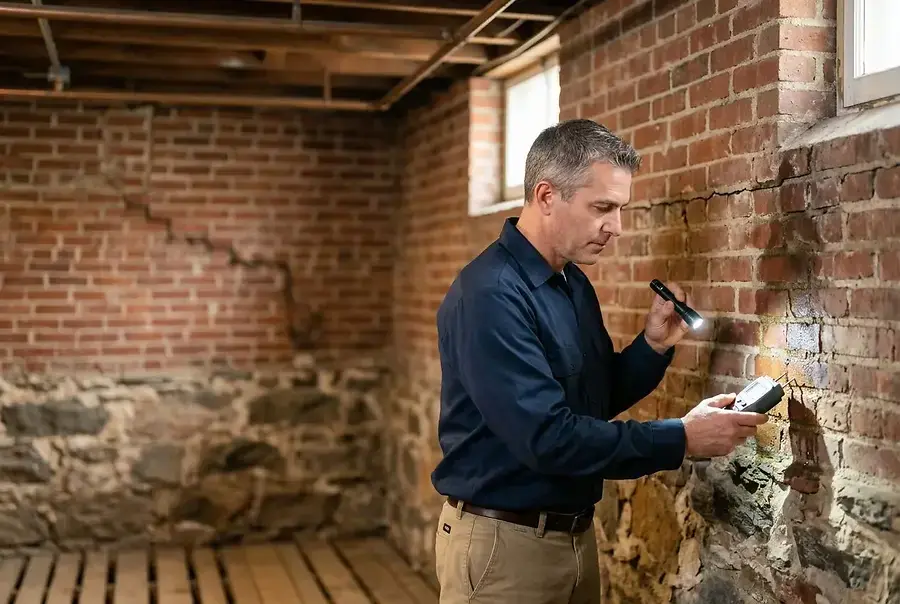
Why Home Inspections Matter in Boston's Competitive Market
Buying a home in Boston is an exciting milestone, but it's also one of the largest financial decisions you'll make. In today's competitive real estate market, many buyers feel pressured to move quickly and skip crucial steps. However, a thorough home inspection is non-negotiable if you want to protect your investment and avoid costly surprises down the road.
Boston's unique housing stock—ranging from historic Victorian homes to modern condominiums—presents distinct inspection challenges. Many properties in the area are over 100 years old, which means they may have outdated systems, structural quirks, and hidden issues that only a professional inspector can identify. A comprehensive home inspection typically costs between $300 and $500, but it can save you thousands in unexpected repairs.
Don't let the excitement of finding your dream home cloud your judgment. A professional home inspection provides you with a detailed report of the property's condition, giving you the leverage to negotiate repairs or price adjustments before closing.
Essential Systems to Evaluate: Plumbing, Electrical, and HVAC
Plumbing Systems
Boston's older homes often have aging plumbing infrastructure that requires careful evaluation. During your inspection, pay attention to:
- Water pressure and flow rates in all fixtures
- Signs of leaks, water stains, or mold growth
- The age and condition of pipes (galvanized steel, copper, or PVC)
- Functionality of the main water shut-off valve
- Septic system condition (if applicable)
Red flag: If the home has galvanized steel pipes installed before 1980, they may be corroded and require replacement—a costly undertaking that can run $10,000 or more.
Electrical Systems
Electrical safety is paramount. Your inspector should verify:
- The age and capacity of the electrical panel
- Presence of proper grounding and bonding
- GFCI outlets in bathrooms and kitchens
- Adequate circuit capacity for modern appliances
- Any outdated wiring (knob-and-tube or aluminum)
Many Boston homes still have outdated electrical panels that cannot handle modern power demands. Upgrading from a 100-amp to a 200-amp service can cost $3,000 to $5,000.
HVAC Systems
Boston winters are brutal, making a reliable heating system essential. During inspection, verify:
- Age and condition of the furnace or boiler
- Efficiency ratings and maintenance history
- Proper ventilation and ductwork
- Air conditioning functionality (if present)
- Carbon monoxide detector installation
A failing heating system in a Boston home is not just uncomfortable—it's a serious concern. Budget $5,000 to $10,000 for a new furnace or boiler replacement.
Structural Concerns and Foundation Issues Common in Boston Homes
Foundation Problems
Boston's clay-heavy soil and freeze-thaw cycles create unique foundation challenges. Look for:
- Cracks in the foundation (hairline cracks are normal, but larger ones warrant investigation)
- Water intrusion or dampness in the basement
- Bowing or leaning walls
- Gaps between the foundation and sill plate
- Evidence of previous repairs or patching
Important: Have a structural engineer evaluate any significant foundation issues. This specialized inspection typically costs $500 to $1,000 but provides invaluable peace of mind.
Roof and Exterior
New England weather takes a toll on roofs. Your inspector should assess:
- Roof age and remaining lifespan
- Shingle condition and signs of deterioration
- Proper flashing around chimneys and vents
- Gutter and downspout functionality
- Exterior siding condition and water damage
A roof replacement in Boston typically costs $8,000 to $15,000 depending on size and materials. Knowing the roof's age helps you budget for this inevitable expense.
Basement and Moisture Control
Basement moisture is a common issue in Boston homes. During inspection, check for:
- Active water leaks or seepage
- Mold or mildew growth
- Efflorescence (white mineral deposits on walls)
- Sump pump presence and functionality
- Proper grading around the foundation
Addressing moisture issues early prevents costly mold remediation and structural damage later.
Red Flags to Address Before Making an Offer
Certain inspection findings should prompt serious consideration before proceeding:
Major red flags include: Active foundation cracks, evidence of termites or pest infestation, outdated electrical panels with aluminum wiring, galvanized plumbing requiring replacement, roof nearing end of life, significant water damage or mold, and HVAC systems beyond repair.
When you encounter these issues, you have several options:
- Request repairs: Ask the seller to fix critical issues before closing
- Negotiate a price reduction: Reduce your offer to account for repair costs
- Request a credit at closing: Receive funds to handle repairs yourself
- Walk away: If issues are too extensive, it may be wise to continue your search
Remember, you have the most negotiating power before you sign the purchase agreement. Use your inspection report strategically.
Conclusion
A thorough home inspection is your best defense against costly surprises in Boston's competitive real estate market. By understanding what to look for—from essential systems like plumbing and electrical to structural concerns unique to older New England homes—you can make an informed decision and protect your investment.
Always hire a certified, experienced home inspector familiar with Boston's housing stock. Ask for a detailed written report and don't hesitate to request follow-up inspections from specialists if red flags emerge. Your due diligence today will pay dividends for years to come as you enjoy your new Boston home with confidence and peace of mind.