The Complete Home Inspection Guide for Bristol, CT Home Buyers
Learn what professional home inspectors look for and how to protect your investment before closing on your Bristol property.

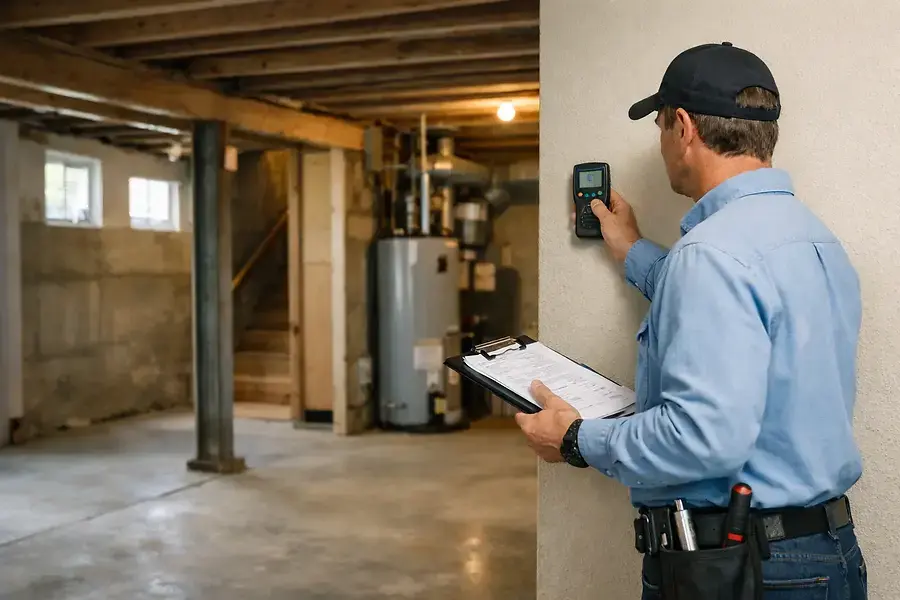
Understanding the Home Inspection Process in Bristol, CT
Purchasing a home is one of the most significant investments you'll make in your lifetime. In Bristol, Connecticut, a professional home inspection is a critical step in the buying process that can save you thousands of dollars in unexpected repairs and provide peace of mind before closing. A home inspection is a thorough examination of a property's physical structure and systems, conducted by a certified professional inspector.
The inspection typically takes between two to four hours, depending on the size and age of the property. During this time, the inspector will examine everything from the foundation to the roof, evaluating the condition of major systems and components. As a Bristol home buyer, you have the right to be present during the inspection, and many experts recommend attending to ask questions and gain firsthand knowledge about your potential new home.
What to Expect During Your Inspection
Professional home inspectors in Bristol follow a standardized process to ensure comprehensive coverage. They will document their findings with photographs and detailed notes, which become part of your inspection report. The inspector will test systems, check for safety hazards, and identify any areas of concern that may require further evaluation or repair.
Understanding the scope of a standard home inspection is important. While inspectors evaluate the major systems and visible components, they typically do not perform specialized inspections for issues like mold, radon, or pest infestations—these may require separate inspections if concerns arise.
Key Areas Inspectors Evaluate and Common Issues Found
Structural Components and Foundation
Inspectors carefully examine the foundation, basement, and crawl spaces for signs of settling, cracks, water damage, or structural issues. In Bristol, where older homes are common, foundation problems can be particularly important to identify early. Look for horizontal cracks, which are more serious than vertical ones, and any evidence of water intrusion.
Roofing and Exterior
The roof is one of the most expensive components to replace. Inspectors evaluate the roof's age, condition, and remaining lifespan. They also examine gutters, downspouts, siding, windows, and doors for damage or deterioration. Bristol's weather patterns mean that proper drainage and weatherproofing are essential to prevent costly water damage.
Plumbing Systems
Inspectors test water pressure, check for leaks, and evaluate the condition of pipes and fixtures. Common issues in Bristol homes include:
- Outdated galvanized pipes that may need replacement
- Water heater age and condition
- Slow drains or signs of blockages
- Evidence of previous water damage or mold
Electrical Systems
A thorough electrical inspection ensures your home is safe and up to code. Inspectors check the panel, wiring, outlets, and switches. Older Bristol homes may have outdated electrical systems that could pose safety risks or limit your ability to power modern appliances and devices.
HVAC Systems
The heating, ventilation, and air conditioning systems are tested for proper operation. Inspectors evaluate the age of equipment, efficiency, and any signs of needed repairs. In Connecticut's climate, a reliable heating system is essential.
Interior Components
Inspectors examine walls, ceilings, floors, doors, and windows for damage, moisture problems, or structural issues. They also check for proper ventilation in bathrooms and kitchens, which is crucial for preventing mold growth.
How to Interpret Your Inspection Report and Negotiate Repairs
Understanding the Report
Your inspection report will categorize findings by severity. Items are typically classified as:
- Safety Issues: Problems that pose immediate danger and should be addressed before closing
- Major Repairs: Significant issues that affect the home's value or functionality
- Minor Issues: Small problems that can be addressed over time
- Maintenance Recommendations: Suggestions for ongoing care and upkeep
Prioritizing Your Concerns
Not every finding requires negotiation. Focus on items that are expensive to repair, affect safety, or impact the home's major systems. A roof that needs replacement in five years is less urgent than one that's actively leaking.
Negotiation Strategies
Once you have your inspection report, you have several options:
- Request repairs: Ask the seller to fix issues before closing
- Request credits: Negotiate a reduction in the purchase price to cover repairs yourself
- Request inspections: Ask for specialized inspections on specific concerns
- Walk away: If major issues are discovered, you may have grounds to terminate the contract
In Bristol's competitive real estate market, be strategic about your requests. Sellers are more likely to agree to repairs for significant safety issues than minor cosmetic concerns. Consider getting repair estimates from local contractors to support your negotiation position with concrete numbers.
Next Steps: Using Inspection Results to Make a Confident Offer
Making an Informed Decision
The inspection report is your roadmap to understanding the true condition of your potential Bristol home. Use it to make an informed decision about whether this property is the right investment for you. Consider not just the immediate repairs needed, but also the long-term maintenance costs and potential issues that may arise.
Planning for Future Maintenance
Even if the inspection reveals no major issues, use the report to plan your maintenance schedule. Understanding the age and condition of major systems helps you budget for future replacements and repairs. A roof that's 15 years old, for example, may need replacement within the next five to ten years.
Moving Forward with Confidence
A professional home inspection protects your investment and gives you the information needed to negotiate effectively. Whether you're a first-time homebuyer or an experienced investor, taking the inspection process seriously ensures you're making one of life's biggest decisions with your eyes wide open.
By understanding what inspectors look for, interpreting your report accurately, and using the findings strategically, you'll be well-equipped to navigate the Bristol real estate market and secure a home that's a sound investment for your future.