The Complete Home Inspection Guide for Buyers in NC Triangle Communities
Discover what to look for during inspections and how to protect your investment in Alamance, Durham, and surrounding communities.

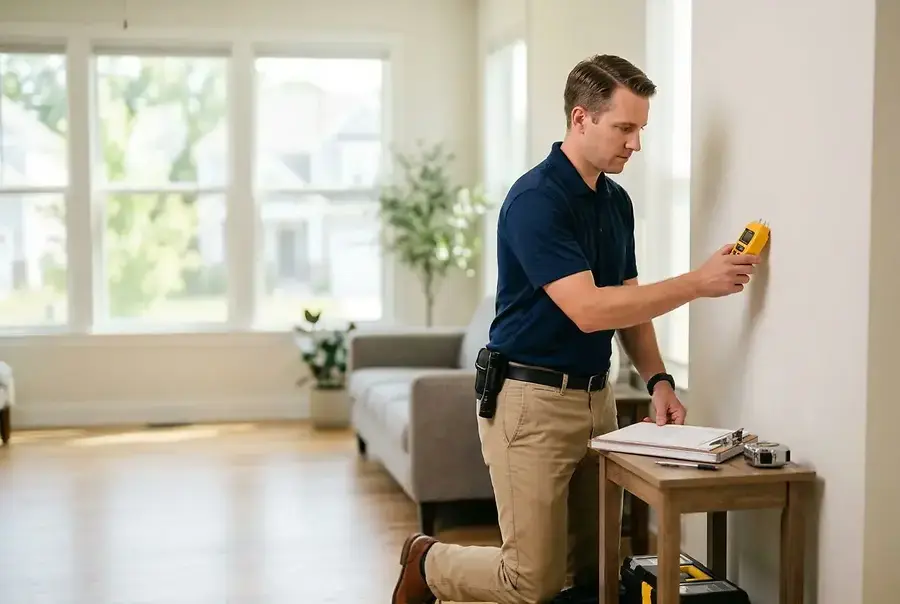
Understanding the Home Inspection Process and Why It Matters
Purchasing a home is one of the most significant investments you'll make in your lifetime. In North Carolina's Triangle communities—including Alamance, Durham, and surrounding areas—a professional home inspection is your first line of defense against costly surprises. A thorough inspection provides an objective assessment of the property's condition and helps you make an informed decision before committing your hard-earned money.
A standard home inspection typically lasts two to three hours and involves a certified inspector examining the property's major systems and components. The inspector will provide a detailed written report documenting their findings, which becomes a crucial tool in your negotiation process. Without this critical step, you could inherit expensive repairs or safety issues that weren't apparent during your initial walkthrough.
What to Expect During the Inspection
During the inspection, you have the right to be present and ask questions. The inspector will systematically evaluate the home's structure, systems, and components. They'll take photos, make notes, and provide recommendations for repairs or further evaluation by specialists. This transparent process ensures you understand exactly what you're purchasing.
Key Areas Inspectors Evaluate in NC Homes
Professional home inspectors follow a comprehensive checklist when evaluating properties in the Triangle area. Understanding these key areas helps you know what questions to ask and what to prioritize.
Structural Components
Inspectors examine the foundation, walls, roof, and overall structural integrity. In North Carolina, settling and foundation cracks are common concerns due to soil composition and climate conditions. They'll look for signs of water damage, pest intrusion, and structural movement that could indicate serious problems.
Roofing and Exterior
The roof is one of your home's most critical protective barriers. Inspectors assess shingle condition, flashing, gutters, and drainage systems. They'll evaluate siding, windows, doors, and exterior caulking. In the Triangle area, proper drainage is essential to prevent water intrusion during heavy rainfall.
Plumbing Systems
A thorough plumbing inspection includes checking water pressure, drainage, water heater condition, and visible pipes. Inspectors test fixtures and look for leaks, corrosion, and outdated materials. Many older homes in the Triangle region may have galvanized pipes that require replacement.
Electrical Systems
Inspectors evaluate the electrical panel, wiring, outlets, and switches for safety and code compliance. They check for outdated systems, improper grounding, and potential fire hazards. This is particularly important in homes built before modern electrical codes were established.
HVAC Systems
Heating and cooling systems are essential in North Carolina's climate. Inspectors assess furnace or heat pump condition, air conditioning units, ductwork, and thermostat functionality. They'll note the age of systems and estimate remaining lifespan.
Interior Components
Inspectors examine walls, ceilings, floors, doors, and windows for damage, moisture, and proper function. They check for signs of pest damage, mold, and water intrusion. Attic and basement areas receive special attention for ventilation, insulation, and moisture issues.
Common Issues Found in Triangle Area Properties and How to Address Them
Understanding regional challenges helps you prepare for what inspectors might find in Alamance, Durham, and surrounding communities.
Water Intrusion and Moisture Problems
The Triangle's humid climate and occasional heavy rainfall make water intrusion a common concern. Look for:
- Basement or crawlspace moisture and efflorescence
- Roof leaks and improper drainage
- Grading issues that direct water toward the foundation
- Damaged or missing caulking around windows and doors
How to Address: Ensure proper grading slopes away from the foundation, install or repair gutters and downspouts, and seal any cracks or gaps. Budget for potential waterproofing solutions if moisture is present.
Outdated Electrical Systems
Older homes may have aluminum wiring, insufficient outlets, or outdated panels. These pose safety risks and may not support modern electrical demands.
How to Address: Obtain quotes from licensed electricians for upgrades. Many insurance companies require updated electrical systems, so factor this into your offer negotiations.
HVAC System Age
Many Triangle homes have aging heating and cooling systems that may fail soon. Replacement costs can exceed $5,000-$8,000.
How to Address: Request maintenance records and get a professional HVAC evaluation. Factor replacement costs into your offer if systems are nearing the end of their lifespan.
Roof Condition
Asphalt shingle roofs typically last 15-20 years. Many Triangle homes have roofs approaching or exceeding this age.
How to Address: Have a roofing specialist inspect the roof separately if the general inspector notes concerns. Roof replacement is a major expense—use this information in negotiations.
Using Inspection Reports to Negotiate and Make Confident Offers
Your inspection report is a powerful negotiation tool. Here's how to use it effectively.
Prioritize Issues by Severity
Not all inspection findings require the same response. Categorize issues as:
- Critical: Safety hazards or major system failures requiring immediate attention
- Important: Significant repairs needed within the next few years
- Minor: Cosmetic issues or routine maintenance items
Get Repair Estimates
Before negotiating, obtain written estimates from licensed contractors for critical and important repairs. This gives you concrete numbers to discuss with sellers and helps you understand the true cost of addressing issues.
Develop Your Negotiation Strategy
You have several options when inspection issues arise:
- Request the seller make repairs before closing
- Ask for a price reduction to cover repair costs
- Request a credit at closing to handle repairs yourself
- Walk away if issues are too significant or costly
In the Triangle market, sellers often prefer price reductions over making repairs, as this allows them to sell quickly without contractor delays.
Make Your Final Decision
Use the inspection report to make a confident, informed decision. If you've negotiated successfully and addressed major concerns, you can move forward knowing you've protected your investment. If issues are unresolvable or too costly, the inspection has saved you from a potentially problematic purchase.
Remember: A home inspection is not a deal-breaker—it's a deal-clarifier. Every home has some issues. The inspection simply ensures you know what you're buying and can plan accordingly.