The Complete Home Inspection Guide for Central Kentucky Buyers
Essential steps and red flags every buyer should know before closing on their Kentucky property.

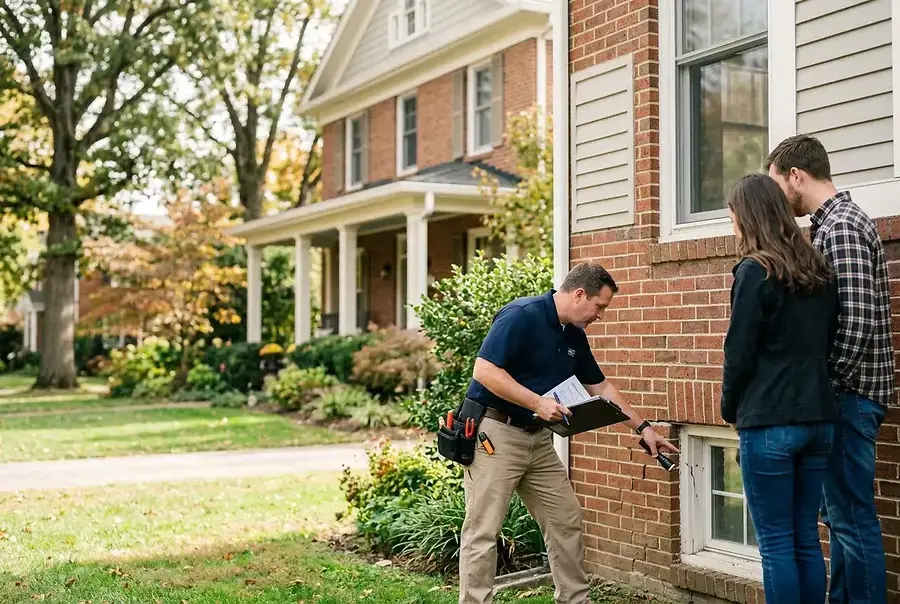
Understanding the Home Inspection Process in Kentucky
Purchasing a home is one of the most significant investments you'll make in your lifetime. In Central Kentucky, the home inspection is a critical step that protects your financial interests and ensures you're making an informed decision. A professional home inspector will thoroughly examine the property's structure, systems, and components to identify any potential issues.
The inspection typically takes 2-4 hours and covers:
- Foundation and structural integrity
- Roofing and exterior conditions
- Plumbing and water systems
- Electrical systems and safety
- HVAC systems and heating/cooling
- Interior walls, ceilings, and floors
- Appliances and fixtures
Kentucky doesn't require home inspectors to be licensed, but it's essential to hire a qualified professional with experience in the region. Look for inspectors who are members of the American Society of Home Inspectors (ASHI) or similar professional organizations. Always attend the inspection yourself so you can ask questions and understand the property's condition firsthand.
Common Issues Found in Central Kentucky Properties
Foundation and Moisture Problems
Central Kentucky's clay-heavy soil and humid climate create unique challenges for homeowners. Foundation cracks and water intrusion are among the most common issues inspectors find. Look for signs of basement moisture, efflorescence (white mineral deposits), or bowing walls. These issues can be costly to repair and may indicate more serious structural problems.
Roof and Weather Damage
The region's weather patterns—including heavy rains and occasional severe storms—take a toll on roofing systems. Inspectors typically check for missing shingles, deteriorated flashing, and inadequate ventilation. A roof replacement can cost $8,000-$15,000, so this is a critical area to evaluate.
HVAC System Age and Efficiency
Many Central Kentucky homes have older heating and cooling systems that may not meet current efficiency standards. During inspection, verify the age of the HVAC system and request maintenance records. Systems older than 15 years may need replacement soon, which is an important factor in your negotiation strategy.
Plumbing and Water Quality
Older homes in the area may have outdated plumbing materials like galvanized pipes or polybutylene tubing, both of which can fail prematurely. Additionally, water quality varies across Central Kentucky, so ask about any water treatment systems or issues the current owners have experienced.
Electrical System Updates
Outdated electrical panels and insufficient outlets are common in older Kentucky properties. Ensure the home has adequate electrical capacity for modern appliances and devices. Aluminum wiring, found in some homes built in the 1960s-70s, can pose fire hazards and may require professional remediation.
What to Do With Inspection Results and Negotiating Repairs
Reviewing the Inspection Report
Once the inspection is complete, you'll receive a detailed report categorizing issues by severity. Take time to review it thoroughly and ask your inspector to clarify any findings. Don't ignore minor issues—they can compound over time and become expensive problems.
Prioritizing Your Concerns
Not every issue requires negotiation. Focus on:
- Major systems: Foundation, roof, HVAC, electrical, and plumbing
- Safety hazards: Mold, asbestos, or electrical dangers
- Costly repairs: Issues requiring $2,000+ to fix
Minor cosmetic issues like paint or carpet wear typically shouldn't be negotiation points.
Negotiation Strategies
You have several options when addressing inspection findings:
- Request repairs: Ask the seller to fix issues before closing
- Request credits: Receive a credit toward closing costs to handle repairs yourself
- Request price reduction: Negotiate a lower purchase price reflecting the needed repairs
- Walk away: If issues are too severe, you may terminate the contract
Be reasonable in your requests. Sellers are more likely to negotiate if your demands are fair and based on the inspector's professional assessment. Always get repair estimates from licensed contractors to support your negotiation position.
Protecting Your Investment: Final Walkthrough and Closing
The Final Walkthrough
Typically 24-48 hours before closing, you'll conduct a final walkthrough to verify that agreed-upon repairs have been completed and the property is in the expected condition. This is your last opportunity to identify issues before you take ownership. Check that:
- All negotiated repairs are complete and satisfactory
- No new damage has occurred since the inspection
- Agreed-upon appliances and fixtures remain in the home
- The property is in the condition you expected
Closing Day Considerations
Before signing final documents, confirm that all inspection-related contingencies have been satisfied. Review your closing disclosure carefully, ensuring all agreed-upon credits and repairs are reflected. If you discover any discrepancies, address them immediately with your real estate agent and lender.
Post-Closing Protection
After closing, maintain detailed records of all inspections, repairs, and maintenance. Many home warranty companies offer coverage for major systems, which can provide peace of mind during your first year of ownership. Schedule regular maintenance for HVAC systems, plumbing, and electrical components to prevent future issues.
By following this comprehensive guide and taking the home inspection process seriously, you're protecting your investment and ensuring a smooth transition into your new Central Kentucky home. Remember, knowledge is power—the more you understand about your property's condition, the better decisions you'll make.