The Complete Home Inspection Guide for Charlotte and Belmont Buyers
Learn what to look for during inspections to protect your investment and avoid costly surprises.

Introduction: Why Home Inspections Matter for Your Purchase
Buying a home is one of the most significant financial decisions you'll make in your lifetime. In the Charlotte and Belmont real estate markets, where properties range from historic homes to modern developments, a professional home inspection is your best defense against costly surprises after closing. A thorough inspection can reveal hidden issues that might not be visible during a casual walkthrough, potentially saving you thousands of dollars in repairs and giving you peace of mind about your investment.
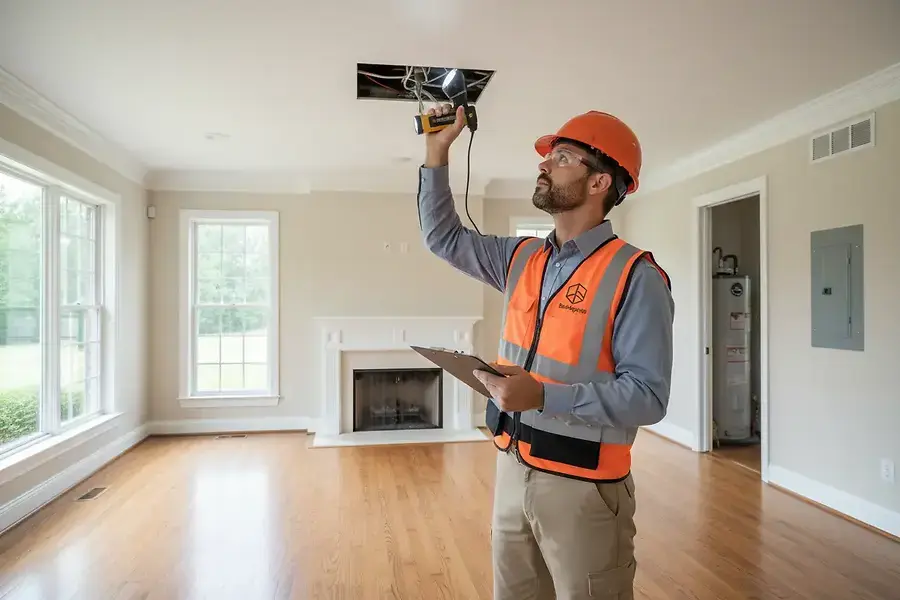
Home inspections serve as an objective assessment of a property's condition, performed by a certified professional who examines everything from the foundation to the roof. This detailed evaluation provides you with critical information to negotiate repairs, request credits, or even walk away from a deal if significant problems are discovered.
Key Areas Inspectors Evaluate and What Red Flags to Watch For
Structural Components and Foundation
The foundation is the backbone of any home. Inspectors will look for cracks, settling, water damage, and signs of movement in the foundation. In the Charlotte area, where soil conditions can vary significantly, foundation issues are particularly important to monitor. Watch for:
- Horizontal or stair-step cracks in the foundation
- Water stains or moisture in basements or crawl spaces
- Uneven floors or doors that don't close properly
- Evidence of previous repairs or patching
Roofing and Exterior
Your roof protects everything beneath it, making its condition critical. Inspectors examine shingles, flashing, gutters, and drainage systems. Red flags include:
- Missing, curled, or damaged shingles
- Moss or algae growth indicating moisture retention
- Sagging roof lines or areas of deterioration
- Improper ventilation or inadequate attic insulation
- Clogged or damaged gutters and downspouts
Plumbing Systems
Water damage is one of the most expensive issues to repair. Inspectors test water pressure, drainage, and check for leaks throughout the home. Be alert to:
- Slow drains or frequent backups
- Water stains under sinks or around toilets
- Outdated galvanized pipes (common in older Charlotte homes)
- Inadequate water pressure or temperature inconsistencies
- Signs of previous water damage or mold
Electrical Systems
Faulty electrical work poses serious safety risks. Inspectors evaluate the main panel, outlets, switches, and wiring. Watch for:
- Outdated or insufficient electrical panels
- Missing ground fault circuit interrupters (GFCIs) in wet areas
- Aluminum wiring (a fire hazard in older homes)
- Improper grounding or bonding
- Overloaded circuits or inadequate capacity for modern appliances
HVAC Systems
Heating and cooling systems are essential for comfort and can be expensive to replace. Inspectors check furnaces, air conditioners, ductwork, and thermostat functionality. Red flags include:
- Systems nearing the end of their typical lifespan (15-20 years)
- Inadequate maintenance or missing service records
- Uneven temperature distribution throughout the home
- Rust, corrosion, or visible damage to units
Interior Conditions
Inspectors also evaluate walls, ceilings, flooring, windows, and doors for damage, moisture, and functionality. Look for:
- Water stains or signs of previous leaks
- Mold or mildew growth
- Cracked or broken windows
- Doors that don't close or lock properly
- Evidence of pest infestations
Questions to Ask Your Inspector and How to Review the Report
Important Questions During the Inspection
Don't be shy about asking questions during the inspection. Consider asking:
- What is the age and expected lifespan of major systems? Understanding when you might need replacements helps with budgeting.
- Are there any safety concerns I should know about? Safety issues take priority in your decision-making.
- What maintenance is recommended going forward? Regular maintenance can prevent costly repairs.
- How serious are the issues found? Get clarity on which items are urgent versus cosmetic.
- What would repairs typically cost? Ask for ballpark estimates on significant issues.
Reviewing the Inspection Report
The inspection report is your roadmap for negotiations. Take time to review it thoroughly and understand:
- Which items are marked as deficiencies versus observations
- The severity ratings assigned to different issues
- Recommendations for further evaluation by specialists
- Photos and detailed descriptions of problem areas
Don't hesitate to hire a specialist for follow-up inspections on major systems like electrical, plumbing, or HVAC if the general inspector identifies concerns. This investment can clarify repair costs and help you make informed decisions.
Conclusion: Using Inspection Findings to Make Confident Offers
A comprehensive home inspection empowers you to make confident decisions in the Charlotte and Belmont real estate markets. Armed with detailed knowledge of a property's condition, you can:
- Negotiate repairs or credits with the seller
- Budget for necessary improvements after purchase
- Identify deal-breakers before committing financially
- Plan maintenance schedules for long-term ownership
Remember, a home inspection is not just a formality—it's your opportunity to protect your investment. By understanding what inspectors look for, asking the right questions, and carefully reviewing the report, you'll be well-equipped to navigate the home buying process with confidence. Whether you're purchasing a charming historic property or a modern new construction, a thorough inspection ensures you know exactly what you're buying and can move forward with peace of mind.