The Complete Home Inspection Guide for Chelmsford Buyers
Learn what professional inspectors look for and how to protect your investment before closing on your Chelmsford home.

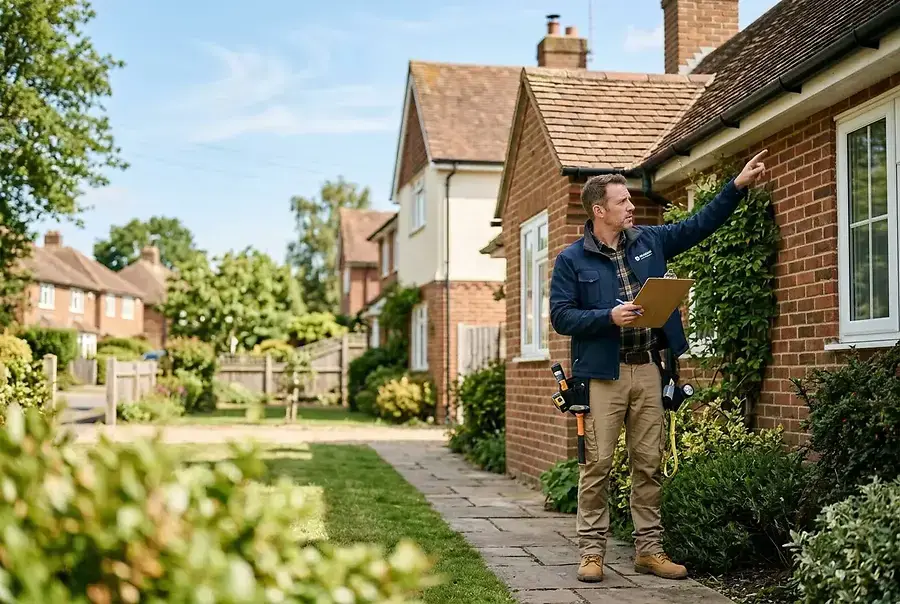
Why Home Inspections Matter: Uncovering Hidden Issues Before Purchase
Purchasing a home is one of the most significant financial decisions you'll make in your lifetime. In Chelmsford, Massachusetts, where properties range from historic colonial homes to modern suburban residences, a professional home inspection is your safeguard against costly surprises after closing. Many buyers skip this critical step to save money, but this decision can lead to thousands of dollars in unexpected repairs.
A comprehensive home inspection provides an objective assessment of your property's condition. Professional inspectors have the expertise to identify issues that untrained eyes might miss—from structural problems to electrical hazards. This knowledge empowers you to make informed decisions and negotiate effectively with sellers.
The Hidden Costs of Skipping an Inspection
Without an inspection, you could inherit problems such as:
- Roof damage requiring replacement ($8,000-$15,000)
- Foundation cracks indicating structural issues ($5,000-$25,000)
- Outdated electrical systems posing fire hazards ($3,000-$10,000)
- Plumbing issues and water damage ($2,000-$20,000)
- HVAC system failures ($5,000-$12,000)
A professional inspection typically costs $300-$500 and can save you tens of thousands of dollars.
What Inspectors Examine: Key Areas and Common Red Flags in Massachusetts Homes
Professional home inspectors follow a standardized checklist covering every major system and component of your home. Understanding what they evaluate helps you ask informed questions and recognize potential problems.
Structural Components and Foundation
Inspectors examine the foundation for cracks, settling, and water intrusion—common issues in older Chelmsford homes. Foundation problems are among the most expensive repairs, making this assessment crucial. They'll also evaluate the basement or crawl space for moisture, mold, and structural integrity.
Roofing and Exterior
The roof is your home's first line of defense against New England weather. Inspectors check for:
- Missing or damaged shingles
- Flashing deterioration around chimneys and vents
- Gutter condition and drainage
- Siding damage and water penetration
- Window and door seals
Electrical Systems
Outdated electrical systems are particularly common in Massachusetts homes built before 1980. Inspectors verify that your home has adequate capacity, proper grounding, and safe wiring. Aluminum wiring, found in many homes from the 1960s-70s, poses fire risks and may require replacement.
Plumbing and Water Systems
Inspectors test water pressure, check for leaks, and evaluate the condition of pipes. In Chelmsford, galvanized steel pipes—common in older homes—often corrode and restrict water flow. They'll also assess your water heater's age and condition.
HVAC Systems
Your heating and cooling systems are essential for comfort and safety. Inspectors evaluate furnace and air conditioning unit age, efficiency, and functionality. Systems over 15 years old may need replacement soon.
Interior Components
Inspectors examine:
- Insulation levels in attic and walls
- Ventilation and moisture control
- Interior walls for water damage and mold
- Flooring condition
- Appliances included in the sale
Using Inspection Reports to Negotiate: Strategies for Chelmsford Buyers
Once you receive your inspection report, you have a powerful negotiating tool. Here's how to use it effectively:
Prioritize Issues by Severity
Not every finding requires negotiation. Focus on major structural, safety, and system issues rather than cosmetic concerns. A missing shingle is less critical than a failing roof structure.
Get Repair Estimates
Before negotiating, obtain written estimates from licensed contractors for significant repairs. This gives you concrete numbers to present to sellers and strengthens your negotiating position.
Know Your Options
You can request that sellers:
- Make repairs before closing
- Provide credits toward repairs you'll handle
- Reduce the purchase price to account for repairs
- Provide warranties on major systems
Be Reasonable and Professional
Approach negotiations professionally. Sellers are more likely to cooperate if you're reasonable about which issues you're addressing. Focus on legitimate concerns that affect safety, functionality, or structural integrity.
Moving Forward with Confidence: Next Steps After Your Inspection
Review the Report Thoroughly
Don't just skim your inspection report. Read it carefully, ask your inspector questions, and request clarification on any findings you don't understand. Your inspector should be available to discuss results and answer concerns.
Schedule a Follow-Up Walk-Through
Many inspectors offer follow-up consultations where they walk through the property with you, pointing out specific issues and explaining their significance. This is invaluable for understanding what you're inheriting.
Plan Your Repairs and Budget
Create a prioritized list of repairs needed. Address safety issues immediately after closing, then tackle structural and system problems. Budget for deferred maintenance items over the next few years.
Obtain Warranties and Documentation
Request that sellers provide documentation for any recent repairs, system replacements, or maintenance performed. Ask about remaining warranties on appliances and systems.
Hire Qualified Contractors
For significant repairs identified in the inspection, hire licensed, insured contractors with good references. Don't cut corners on important work—quality repairs protect your investment long-term.
A home inspection isn't just about finding problems; it's about gaining peace of mind and making an informed investment decision. In Chelmsford's competitive real estate market, this knowledge gives you confidence and negotiating power.
By understanding what inspectors examine and how to use their findings, you're taking control of your home-buying experience. Your Chelmsford home is a significant investment—protect it with a thorough inspection and informed decision-making.


