The Complete Home Inspection Guide for Chesterfield Homebuyers
Discover the critical inspection checklist that protects your investment in Chesterfield's competitive real estate market.

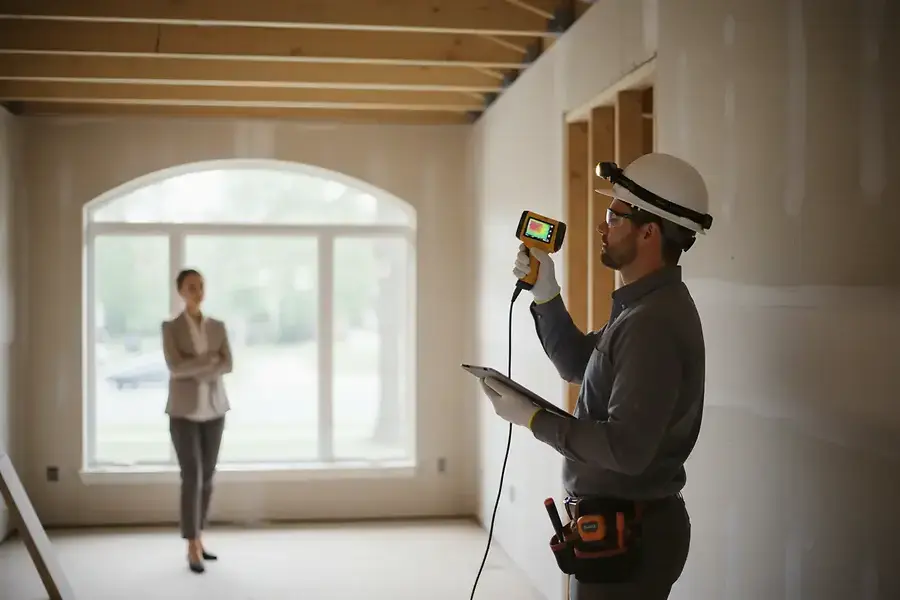
Why Home Inspections Are Critical for Chesterfield Buyers
Purchasing a home is one of the most significant financial decisions you'll make. In Chesterfield's competitive real estate market, homes often sell quickly, and buyers may feel pressured to skip thorough due diligence. However, a professional home inspection is your best defense against costly surprises after closing.
A comprehensive home inspection provides an objective assessment of a property's condition, identifying structural issues, mechanical problems, and safety concerns that aren't visible to the untrained eye. For Chesterfield buyers, this inspection serves as a critical negotiation tool and peace of mind investment.
Why inspections matter:
- Uncover hidden defects that could cost thousands to repair
- Identify safety hazards affecting your family's wellbeing
- Provide leverage for price negotiations or repair requests
- Establish a baseline for future maintenance planning
- Protect your investment and financial interests
Key Areas Inspectors Evaluate and Red Flags to Watch For
Structural Components
Inspectors examine the foundation, framing, and overall structural integrity of the home. Red flags include: cracks in the foundation, bowing walls, uneven floors, and signs of settling. These issues can be expensive to repair and may indicate serious underlying problems.
Roofing and Exterior
The roof protects your entire home from the elements. Inspectors assess shingles, flashing, gutters, and drainage systems. Watch for: missing or damaged shingles, sagging roof lines, deteriorated caulking, and inadequate drainage that could lead to water damage and mold.
Plumbing Systems
Water damage is one of the costliest issues homeowners face. Inspectors check pipes, fixtures, water pressure, and drainage. Common concerns: outdated galvanized pipes, slow drains, leaks under sinks, and water stains indicating past or present moisture problems.
Electrical Systems
Faulty electrical systems pose serious safety risks. Inspectors evaluate the panel, wiring, outlets, and grounding. Red flags include: outdated panels, insufficient outlets, exposed wiring, and non-functioning GFCI outlets in wet areas.
HVAC and Mechanical Systems
Heating, cooling, and ventilation systems are essential for comfort and air quality. Inspectors test furnaces, air conditioners, and ventilation. Issues to note: aging equipment nearing replacement, inadequate maintenance records, and poor air flow throughout the home.
Interior Conditions
Inspectors examine walls, ceilings, floors, and windows for damage and wear. Watch for: water stains, mold growth, damaged windows, deteriorated flooring, and signs of pest infestation.
Basement and Crawl Spaces
These areas reveal moisture problems and structural issues. Red flags: standing water, efflorescence (white mineral deposits), cracks, and inadequate ventilation that could lead to mold and rot.
How to Choose a Qualified Inspector and Prepare for the Process
Selecting the Right Inspector
Not all inspectors are created equal. Look for inspectors who are certified and insured, with extensive experience in the Chesterfield area. Verify credentials through professional organizations and check references from past clients.
Key qualifications to verify:
- State licensing and certification
- Professional liability insurance
- Membership in professional organizations
- Years of experience and local market knowledge
- Detailed written reports with photos
Preparing for the Inspection
Schedule the inspection as soon as your offer is accepted. Preparation steps:
- Ensure the home is accessible and utilities are on
- Request that the seller leave doors and gates unlocked
- Plan to attend the inspection personally
- Prepare a list of specific concerns to discuss
- Bring a notebook to document findings
During the Inspection
Attend the inspection and follow the inspector throughout the process. Ask questions about findings, take photos, and request clarification on any concerns. This hands-on approach helps you understand the property's condition and demonstrates your commitment to due diligence.
Understanding the Report
A thorough inspection report should include detailed descriptions of findings, photos, and recommendations. Reports typically categorize issues as:
- Safety concerns: Immediate attention required
- Major repairs: Significant cost implications
- Minor repairs: Maintenance and cosmetic issues
- Recommendations: Future maintenance suggestions
Using Inspection Results to Negotiate and Buy Confidently
Negotiation Strategies
Armed with inspection findings, you have several negotiation options. You can request repairs before closing, ask for a price reduction to cover repair costs, or request a credit at closing to handle repairs yourself.
Focus negotiations on significant issues that affect safety, structural integrity, or major systems. Minor cosmetic issues are typically the buyer's responsibility after closing.
Making Your Final Decision
Review the inspection report carefully and consult with your real estate agent and inspector. Consider the cost of repairs, the age of major systems, and your comfort level with the property's condition. Ask yourself:
- Are there safety concerns that must be addressed?
- What is the estimated cost of necessary repairs?
- How does this information affect the property's value?
- Am I comfortable proceeding with negotiations or walking away?
Moving Forward with Confidence
A thorough home inspection empowers you to make informed decisions about one of life's biggest purchases. Whether you negotiate repairs, request credits, or proceed as planned, you'll do so with complete knowledge of what you're buying.
In Chesterfield's competitive market, this confidence is invaluable. You're not just buying a house; you're investing in your family's future and financial security.
Remember: A professional home inspection is not an expense—it's an investment that protects your most valuable asset and provides peace of mind for years to come.