The Complete Home Inspection Guide for College Station Buyers
Protect your investment by understanding what inspectors look for and why it matters in College Station's real estate market.

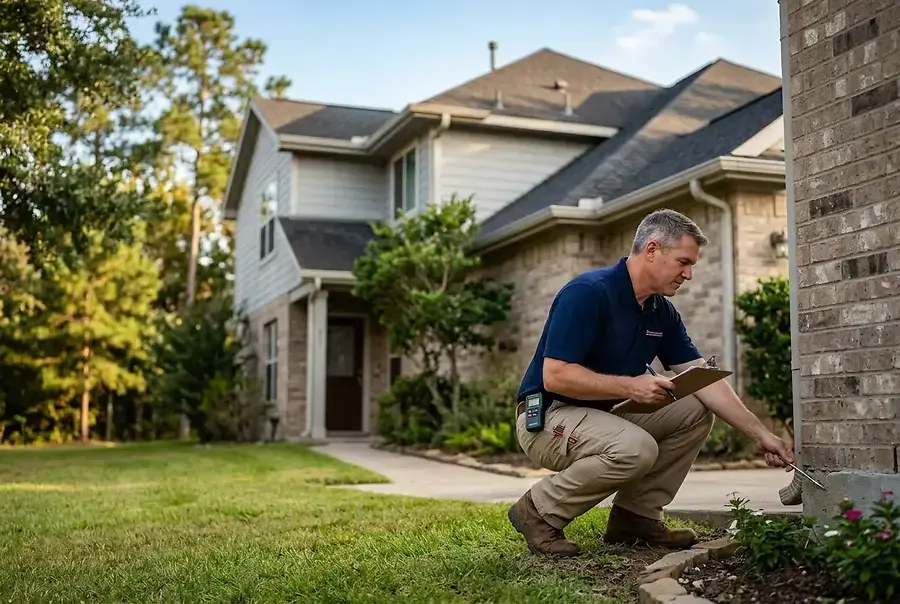
Introduction: Why Home Inspections Are Critical in College Station
Buying a home is one of the most significant financial decisions you'll make. In College Station's competitive real estate market, a thorough home inspection is your best defense against costly surprises after closing. Whether you're a first-time buyer or an experienced investor, understanding the inspection process can save you thousands of dollars and provide peace of mind about your investment.
A professional home inspection goes far beyond a quick walkthrough. It's a detailed examination of a property's structural integrity, mechanical systems, and overall condition. In College Station, where properties face unique environmental and climate challenges, knowing what inspectors look for becomes even more critical.
What Professional Inspectors Evaluate and Red Flags to Know
Structural Components
Professional inspectors begin by examining the foundation, walls, and roof structure. They look for:
- Foundation cracks – Minor hairline cracks are normal, but larger or expanding cracks indicate serious problems
- Water damage and moisture – Signs of past or present water intrusion in basements or crawl spaces
- Roof condition – Age, missing shingles, and signs of deterioration
- Structural settling – Uneven floors or doors that don't close properly
Mechanical Systems
Your home's heating, cooling, plumbing, and electrical systems are critical to daily living. Inspectors evaluate:
- HVAC systems – Age, maintenance history, and operational efficiency
- Plumbing – Water pressure, drainage, and signs of leaks or corrosion
- Electrical systems – Panel condition, outlet safety, and code compliance
- Water heater – Age and functionality
Interior and Exterior Features
Inspectors also examine windows, doors, insulation, siding, and landscaping. Red flags include rotting wood, broken seals on windows, inadequate drainage around the property, and pest damage.
College Station-Specific Concerns: Soil, Climate, and Local Building Codes
Soil and Foundation Issues
College Station's expansive clay soil is a unique challenge for homeowners. This soil type expands when wet and contracts when dry, causing foundation movement. Inspectors pay special attention to:
- Signs of foundation shifting or cracking related to soil movement
- Proper grading and drainage to manage water around the foundation
- Evidence of previous foundation repairs or stabilization
Understanding your property's soil composition can help you anticipate maintenance needs and plan for long-term foundation stability.
Climate Considerations
College Station's hot, humid summers and occasional freeze-thaw cycles create specific wear patterns. Inspectors look for:
- Air conditioning system strain – Units must handle intense summer heat efficiently
- Moisture and mold issues – Humidity can promote mold growth in attics and crawl spaces
- Roof deterioration – UV exposure and temperature fluctuations age roofing materials faster
- Exterior paint and siding damage – Weather exposure causes premature aging
Local Building Codes and Compliance
College Station has specific building codes that properties must meet. Inspectors verify compliance with:
- Electrical code requirements and safety standards
- Plumbing code compliance
- Structural requirements for the local climate
- Proper ventilation and insulation standards
Non-compliant systems may require expensive updates before you can sell the property or obtain insurance coverage.
Conclusion: Using Inspection Results to Negotiate and Close Confidently
Once you receive the inspection report, you have several options. Minor issues like worn caulking or small roof repairs might be acceptable. Major concerns such as foundation problems, failing HVAC systems, or electrical hazards warrant serious negotiation.
Use the inspection report as a negotiating tool. You can request the seller make repairs, provide credits for repairs you'll handle, or adjust the purchase price accordingly. In College Station's market, a well-documented inspection report strengthens your position in negotiations.
Don't skip the inspection to save money. The typical cost of a home inspection is minimal compared to the potential cost of undiscovered problems. By understanding what inspectors evaluate and being aware of College Station-specific concerns, you'll make an informed decision and protect your investment for years to come.
Your home inspection is your opportunity to know exactly what you're buying. Take it seriously, ask questions, and walk through the property with the inspector to understand any concerns firsthand.