The Complete Home Inspection Guide for Covina Buyers and Sellers
Master the critical inspection process to protect your investment and avoid costly surprises before closing.

Understanding the Home Inspection Process in Covina
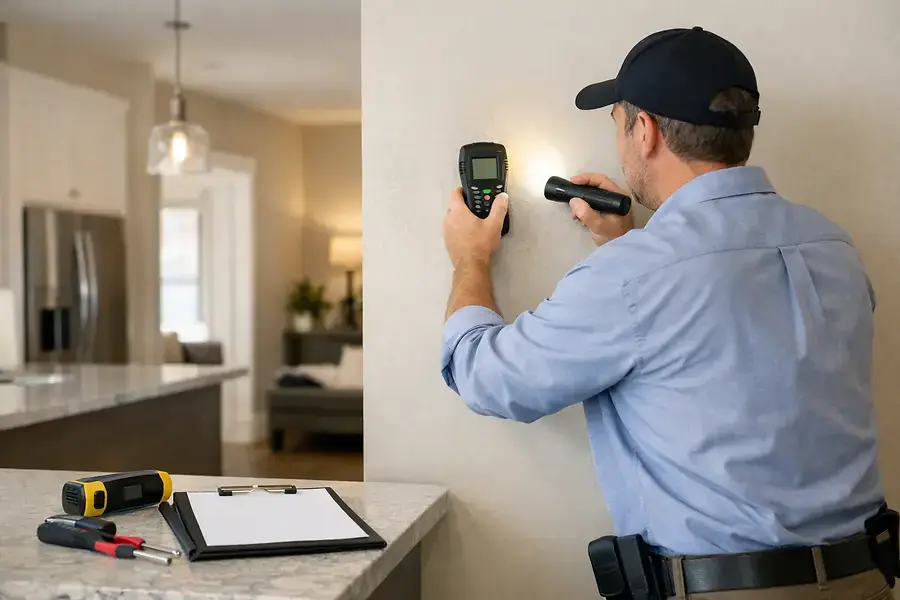
A home inspection is one of the most critical steps in any real estate transaction. For Covina buyers and sellers, understanding this process can mean the difference between a smooth closing and unexpected financial burdens. A professional home inspector will conduct a thorough examination of the property's structural integrity, systems, and overall condition.
The inspection typically takes 2-4 hours depending on the home's size and age. During this time, the inspector evaluates everything from the foundation to the roof, checking electrical systems, plumbing, HVAC units, and more. It's important to note that home inspections are non-invasive, meaning inspectors won't damage walls or structures to investigate further.
What to Expect During the Inspection
As a buyer, you have the right to be present during the inspection. This is an excellent opportunity to ask questions and learn about your potential home's condition. The inspector will document findings with photographs and detailed notes, which become part of your official inspection report.
Sellers should also understand that inspections are a standard part of the process. Having a pre-listing inspection can actually benefit sellers by identifying issues before they become negotiation points with buyers.
Key Areas Inspectors Evaluate and Red Flags to Watch For
Structural Components
Inspectors carefully examine the foundation, walls, and overall structural integrity. Red flags include:
- Visible cracks in the foundation or basement walls
- Uneven or sloping floors
- Gaps between walls and doors or windows
- Signs of water damage or moisture intrusion
Roofing and Exterior
The roof is one of your home's most expensive components. Inspectors check for:
- Missing or damaged shingles
- Sagging roof lines
- Deteriorated flashing around chimneys and vents
- Gutter and downspout conditions
Electrical and Plumbing Systems
These systems are critical to daily living. Common concerns include:
- Outdated electrical panels or wiring
- Insufficient outlets or grounding issues
- Slow drains or water pressure problems
- Corroded pipes or signs of leaks
HVAC and Appliances
Heating, ventilation, and air conditioning systems require regular maintenance. Inspectors evaluate age, functionality, and efficiency. They also assess the condition of included appliances and note any that are nearing the end of their lifespan.
How to Interpret Your Inspection Report and Negotiate Repairs
Understanding the Report
Inspection reports typically categorize findings into three levels: major issues, minor issues, and recommendations for maintenance. Major issues require immediate attention and can significantly impact the home's value. Minor issues are less urgent but should still be addressed. Maintenance recommendations help preserve the home's condition.
"Don't panic if your inspection report reveals issues. Most homes have some defects—it's about determining which ones are deal-breakers and which are manageable."
Negotiation Strategies for Buyers
After receiving your inspection report, you have several options:
- Request repairs: Ask the seller to fix major issues before closing
- Request credits: Negotiate a price reduction to cover repair costs yourself
- Request inspections: Ask for specialized inspections on specific systems
- Walk away: Use inspection findings as a reason to terminate the contract if issues are severe
The key is to prioritize. Focus negotiations on structural issues, safety concerns, and major system failures rather than cosmetic problems or routine maintenance items.
Guidance for Sellers
If you're selling, respond to inspection requests professionally and promptly. You can choose to make repairs, offer credits, or decline requests. Being transparent about known issues builds trust and often leads to smoother transactions. Consider obtaining a pre-inspection to address issues proactively.
Protecting Your Investment: Next Steps After the Inspection
Document Everything
Keep copies of your inspection report, all communications about repairs, and any follow-up inspections. This documentation protects you and provides valuable information for future maintenance and insurance purposes.
Plan for Repairs and Maintenance
Create a prioritized list of repairs needed. Address safety issues and major system problems first. For minor issues, budget for repairs over time as part of regular home maintenance.
Schedule Follow-Up Inspections
For significant issues, consider hiring specialists. A structural engineer can assess foundation concerns, while a plumber or electrician can evaluate system-specific problems. These specialized inspections provide detailed information for negotiation or planning purposes.
Establish a Maintenance Schedule
Use your inspection report as a baseline for ongoing home maintenance. Regular upkeep prevents small issues from becoming expensive problems. Key maintenance tasks include:
- Annual HVAC system servicing
- Regular gutter cleaning
- Periodic roof inspections
- Water heater maintenance
- Plumbing system checks
Invest in Home Protection
Consider a home warranty that covers major systems and appliances. This provides peace of mind and financial protection against unexpected failures during your first year of ownership.
Final Thoughts: Whether you're buying or selling in Covina, the home inspection process is your opportunity to make informed decisions. By understanding what inspectors evaluate, how to interpret reports, and what steps to take afterward, you protect your investment and ensure a successful real estate transaction. Don't rush this critical step—take time to review findings thoroughly and ask questions until you fully understand your home's condition.


