The Complete Home Inspection Guide for Cupertino Homebuyers
Learn what professional inspectors look for and how to protect your investment in Cupertino's competitive real estate market.

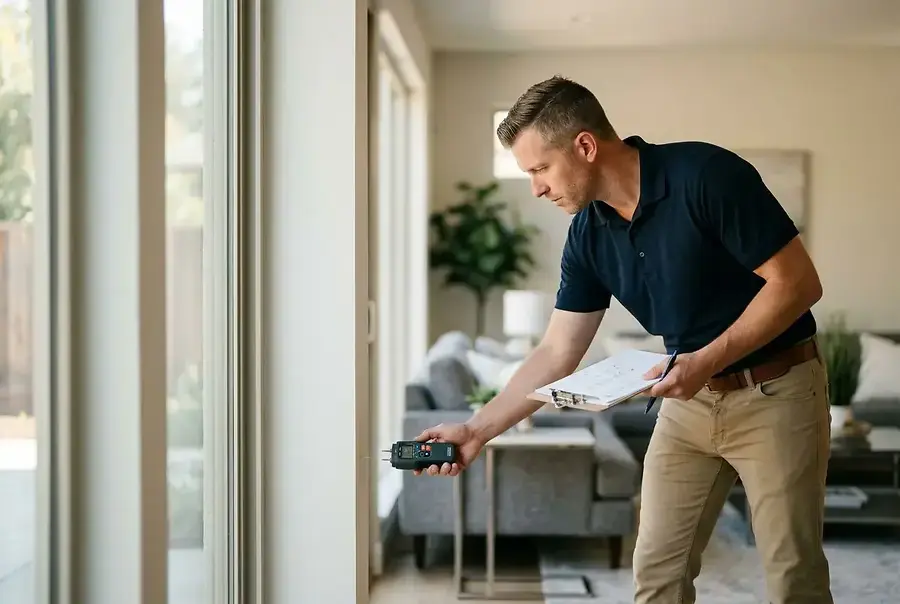
Why Home Inspections Are Critical for Cupertino Buyers
Purchasing a home in Cupertino is one of the most significant financial decisions you'll make. The competitive real estate market in this Silicon Valley community means homes often sell quickly, and buyers may feel pressured to make fast decisions. However, skipping or rushing through a home inspection is a costly mistake that could leave you with unexpected repair bills and safety concerns.
A professional home inspection provides an objective assessment of your potential property's condition. It serves as your protection against hidden defects, structural issues, and costly repairs that could drain your savings. In Cupertino's market, where homes command premium prices, a thorough inspection is your best defense against buyer's remorse.
Key reasons to prioritize home inspections:
- Identify hidden structural and mechanical problems before purchase
- Understand the true condition of major systems and components
- Negotiate repairs or price reductions based on findings
- Plan for future maintenance and budget accordingly
- Ensure the property meets safety standards
What Professional Inspectors Examine in Cupertino Properties
Structural Components and Foundation
Inspectors begin by evaluating the home's foundation, walls, and overall structural integrity. In Cupertino, where properties may be decades old, foundation issues can be particularly concerning. Inspectors look for cracks, settling, water damage, and signs of structural movement that could indicate serious problems.
Roofing and Exterior
The roof is one of your home's most critical protective barriers. Professional inspectors examine shingles, flashing, gutters, and drainage systems. They assess the roof's age and remaining lifespan, which is crucial information for budgeting future replacements. Exterior walls, windows, doors, and siding are also evaluated for damage, deterioration, and proper weatherproofing.
Plumbing Systems
Water damage is one of the most expensive problems homeowners face. Inspectors test water pressure, check for leaks, examine pipes for corrosion, and evaluate the water heater's condition. They also assess the septic system or sewer connection and ensure proper drainage throughout the property.
Electrical Systems
Outdated or faulty electrical systems pose serious safety risks and fire hazards. Inspectors examine the electrical panel, wiring, outlets, and switches. They verify that the system meets current safety codes and can handle modern electrical demands. This is especially important in older Cupertino homes that may have outdated electrical infrastructure.
HVAC and Climate Control
Heating, ventilation, and air conditioning systems are essential for comfort and indoor air quality. Inspectors test these systems for proper operation, evaluate their age and efficiency, and check for maintenance issues. They also examine ductwork and insulation to ensure adequate climate control throughout the home.
Interior Components
Professional inspectors examine walls, ceilings, floors, and interior doors for damage, moisture, and structural issues. They check for signs of pest infestation, mold, and water damage. Kitchens and bathrooms receive special attention, as these areas are prone to water-related problems.
Safety and Environmental Concerns
Inspectors screen for hazardous materials like asbestos and lead paint, which are common in older homes. They also evaluate fire safety features, including smoke detectors and fire extinguishers. Proper ventilation and indoor air quality are assessed to ensure a healthy living environment.
Understanding Your Inspection Report and Negotiating Repairs
Decoding the Inspection Report
Your inspection report will categorize findings into different severity levels. Critical issues require immediate attention and may affect your decision to purchase. Major concerns need repair soon to prevent further damage. Minor issues are typically cosmetic or low-priority items that can be addressed over time.
Take time to review the report thoroughly and ask your inspector to explain any findings you don't understand. Request clarification on repair costs and timelines. A detailed report should include photographs and specific recommendations for addressing each issue.
Negotiation Strategies
Once you have your inspection report, you have several options for moving forward:
- Request repairs: Ask the seller to fix critical and major issues before closing
- Negotiate a price reduction: Reduce the purchase price to account for repair costs
- Request a credit: Receive a credit at closing to cover repairs you'll handle yourself
- Walk away: If issues are too severe or costly, you may choose not to proceed
In Cupertino's competitive market, sellers may be reluctant to make repairs. However, significant issues discovered during inspection give you legitimate leverage. Focus negotiations on critical safety concerns and major structural or mechanical problems rather than minor cosmetic issues.
Getting Repair Estimates
Before negotiating, obtain written estimates from licensed contractors for major repairs. This gives you concrete numbers to present during negotiations and helps you understand the true cost of addressing inspection findings. Don't rely solely on the inspector's estimates—professional contractors can provide more accurate pricing.
Using Inspections to Make Confident Purchase Decisions
A thorough home inspection empowers you to make informed decisions about one of your largest investments. Rather than viewing the inspection as a hurdle, see it as an opportunity to understand exactly what you're purchasing and what to expect going forward.
After receiving your inspection report, take these steps:
- Review all findings carefully with your real estate agent
- Prioritize issues by severity and cost
- Obtain professional repair estimates for major concerns
- Develop a negotiation strategy based on your inspection findings
- Plan for future maintenance and budget accordingly
- Make your final purchase decision with complete information
In Cupertino's fast-paced real estate market, taking time for a proper home inspection might feel like you're slowing down the process. However, this investment of time and money protects you from far costlier mistakes. A professional inspection provides peace of mind and ensures you're making a confident, informed decision about your new home.
Remember, every home has some issues—the goal of an inspection is to identify them so you can plan accordingly. By understanding what inspectors look for and how to use their findings, you'll be better equipped to navigate Cupertino's competitive market and protect your investment for years to come.