The Complete Home Inspection Guide for Dallas Homebuyers
Protect your investment by understanding the critical inspection process every Dallas homebuyer should master.

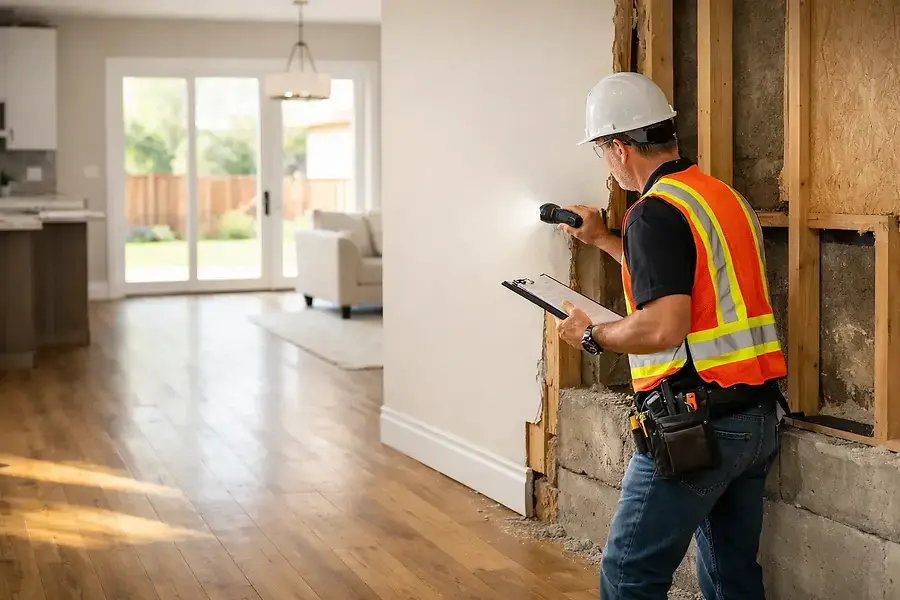
Why Home Inspections Matter in Dallas Real Estate
Purchasing a home is one of the most significant financial decisions you'll make in your lifetime. In the Dallas real estate market, where properties vary widely in age, condition, and construction quality, a professional home inspection is not just recommended—it's essential. A thorough inspection provides you with a detailed understanding of your potential property's condition before you commit to the purchase.
Home inspections serve as your protection against costly surprises after closing. They uncover hidden defects, structural issues, and maintenance problems that could drain your finances. For Dallas homebuyers, understanding this critical process empowers you to negotiate effectively, plan for repairs, and make decisions based on facts rather than assumptions.
Key Areas Inspectors Evaluate in Dallas Homes
Structural Components and Foundation
Dallas homes are built on various soil types, and foundation issues are common in the region. Professional inspectors examine the foundation for cracks, settling, and water damage. They assess the structural integrity of walls, beams, and support systems. Given Dallas's climate with temperature fluctuations and occasional drought conditions, foundation stability is particularly important.
Roofing and Exterior
The roof is your home's first line of defense against weather. Inspectors evaluate:
- Roof age and remaining lifespan
- Shingle condition and potential leaks
- Flashing and gutter systems
- Exterior walls, siding, and paint condition
- Windows and door seals
Dallas's intense sun and occasional severe weather make roof inspections critical for protecting your investment.
Plumbing Systems
Inspectors check water supply lines, drainage systems, and fixtures throughout the home. They test water pressure, examine for leaks, and assess the age of pipes. In older Dallas homes, outdated plumbing can be a significant concern requiring future replacement.
Electrical Systems
A comprehensive electrical inspection includes:
- Panel condition and capacity
- Wiring safety and code compliance
- Outlet and switch functionality
- Grounding and bonding systems
- Presence of outdated components like aluminum wiring
HVAC and Climate Control
Dallas's hot summers make air conditioning systems critical. Inspectors evaluate heating and cooling units, ductwork, thermostat functionality, and overall system efficiency. They assess whether systems are properly sized for the home and in good working condition.
Interior Components
Inspectors examine walls, ceilings, floors, and insulation for damage, moisture problems, and proper installation. They check for signs of pest infestations, mold, and water damage—issues that can be expensive to remediate.
Red Flags and How to Respond to Inspection Findings
Understanding the Inspection Report
Your inspector will provide a detailed report categorizing findings by severity. Critical issues require immediate attention and can affect your decision to purchase. Major concerns need repair before closing. Minor issues are typically maintenance items you can address over time.
Common Red Flags in Dallas Homes
Foundation cracks and settling: Small hairline cracks are normal, but large cracks or signs of movement indicate serious problems requiring professional assessment.
Roof damage or age: If the roof is near the end of its lifespan, budget for replacement within a few years. Active leaks are deal-breakers.
Outdated electrical systems: Aluminum wiring, insufficient panel capacity, or code violations pose safety risks and may require expensive upgrades.
Plumbing issues: Corroded pipes, low water pressure, or drainage problems can lead to costly repairs.
HVAC system failure: Non-functional air conditioning in Dallas is unacceptable. Replacement costs can exceed $5,000.
Water damage and mold: These indicate moisture problems that can affect structural integrity and health.
Negotiation Strategies
Once you receive the inspection report, you have several options:
- Request repairs: Ask the seller to fix critical issues before closing
- Request credits: Negotiate a reduction in purchase price to cover repairs yourself
- Walk away: If issues are too severe, you may choose to terminate the contract
- Accept as-is: For minor issues, you might proceed without requesting changes
The key is understanding which issues are negotiable and which are deal-breakers for your situation.
Post-Inspection Action Plan
After addressing inspection concerns, create a maintenance plan for your new home. Schedule follow-up inspections for systems nearing the end of their lifespan. Budget for preventive maintenance to avoid costly emergency repairs.
Making Informed Decisions with Inspection Results
A home inspection is your opportunity to make an informed decision about one of life's biggest purchases. Don't skip this step or choose an inspector based solely on price. Invest in a qualified, certified inspector who understands Dallas-specific issues.
Use the inspection report as a tool for negotiation and planning, not as a reason to panic. Every home has some issues—the question is whether they're manageable and within your budget.
By understanding the inspection process, knowing what to look for, and responding strategically to findings, you protect your investment and ensure your Dallas home purchase is a sound financial decision. Take the time to review the report thoroughly, ask questions, and make decisions based on facts and professional guidance.


