The Complete Home Inspection Guide for Deerfield Beach Homebuyers
Discover the critical inspection points every homebuyer should know before making an offer on a Deerfield Beach property.

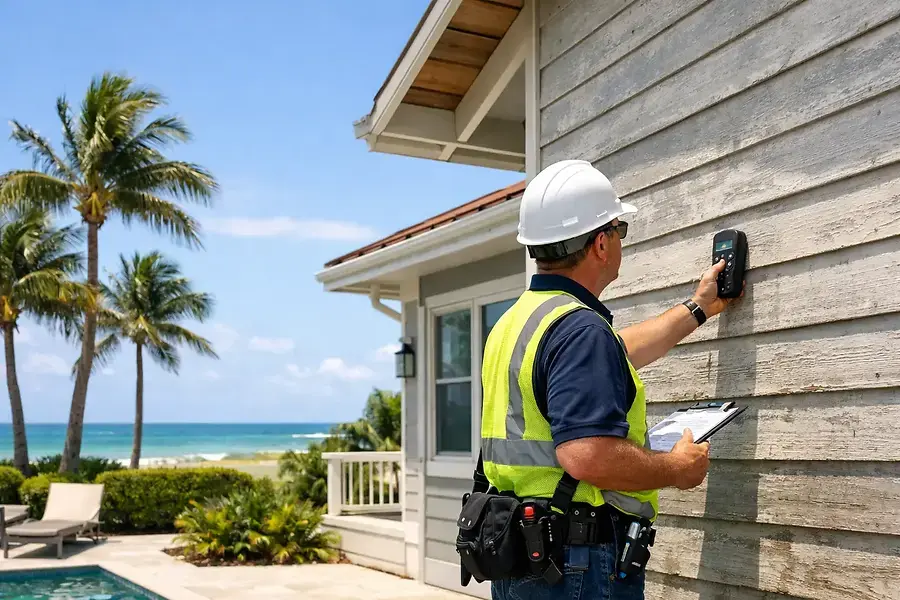
Introduction: Why Home Inspections Matter in Deerfield Beach's Real Estate Market
Purchasing a home in Deerfield Beach is an exciting milestone, but it's also one of the most significant financial decisions you'll make. A thorough home inspection is your best defense against costly surprises and hidden defects that could drain your savings after closing. In Deerfield Beach's unique coastal environment, standard inspections take on added importance due to salt air corrosion, hurricane exposure, and moisture-related issues that are common to South Florida properties.
Many homebuyers underestimate the value of a professional inspection, viewing it as an unnecessary expense. However, the average cost of a home inspection—typically between $300 and $500—is a small investment compared to the potential cost of repairing a damaged roof, foundation issues, or water intrusion problems that could run into tens of thousands of dollars.
Key Areas to Inspect: Foundation, Roof, and Coastal Weathering Concerns
Foundation and Structural Integrity
The foundation is the backbone of any home, and in Deerfield Beach, where the water table is high and soil composition varies, foundation issues are particularly common. During your inspection, look for:
- Cracks in concrete or block walls – Small hairline cracks are normal, but larger cracks or those that are widening indicate serious problems
- Water stains or efflorescence – White, chalky deposits on foundation walls suggest moisture penetration
- Uneven floors or doors that don't close properly – These can indicate foundation settling or shifting
- Pier and beam deterioration – Older Deerfield Beach homes often use this system, which requires careful inspection for rot and rust
Your inspector should also check for proper drainage around the foundation and verify that the home has adequate grading to direct water away from the structure.
Roof Condition and Hurricane Preparedness
Deerfield Beach's location in South Florida means homes face significant hurricane and tropical storm risks. The roof is your first line of defense against wind and water damage. Key inspection points include:
- Shingle condition and age – Most asphalt shingles last 15-20 years; older roofs may need replacement soon
- Flashing integrity – Damaged or improperly installed flashing around chimneys, vents, and skylights is a common source of leaks
- Soffit and fascia condition – These components protect the roof's edges and should be free from rot and damage
- Attic ventilation – Proper ventilation prevents moisture buildup and extends roof life
- Hurricane straps or clips – These metal connectors secure the roof to the walls and are critical for wind resistance
Ask your inspector whether the roof meets current Florida Building Code standards for wind resistance. Older roofs may not comply with modern requirements, which could affect insurance rates and your home's resilience.
Coastal Weathering and Salt Air Damage
Living near the ocean means constant exposure to salt air, which accelerates corrosion and deterioration. During your inspection, pay special attention to:
- Metal components – Air conditioning units, gutters, downspouts, and metal railings should be checked for rust and corrosion
- Paint and caulking – Salt air causes premature paint failure; look for peeling, chalking, or discoloration
- Window and door frames – Aluminum frames are particularly vulnerable to salt corrosion
- Exterior wood – Decks, trim, and wooden structures deteriorate faster in coastal environments
Understanding Inspection Reports and Red Flags Specific to Florida Homes
Reading Your Inspection Report
A professional home inspection report should be detailed and easy to understand. It typically includes photographs, descriptions of defects, and recommendations for repair or further evaluation. Look for sections that address:
- Structural systems and foundation
- Roof and attic
- Exterior walls and drainage
- Windows, doors, and interior finishes
- Plumbing and electrical systems
- HVAC systems
- Appliances and built-in equipment
Red Flags Specific to Florida Properties
Water intrusion and mold – Florida's humid climate creates ideal conditions for mold growth. Any signs of past water damage, staining, or musty odors warrant further investigation by a mold specialist.
Outdated electrical systems – Older homes may have aluminum wiring or insufficient electrical capacity. These issues can pose fire hazards and may require expensive upgrades.
Plumbing concerns – Polybutylene pipes, commonly installed in homes built in the 1980s and 1990s, are prone to failure. If present, budget for replacement.
Air conditioning system age and condition – AC units typically last 10-15 years. In Florida's heat, a failing system is not just uncomfortable—it's a significant expense.
Pool and spa issues – If the property includes a pool, inspect the pump, filter, deck, and shell for cracks, leaks, or structural problems.
When to Request a Second Opinion
If your inspector identifies major issues, don't hesitate to hire a specialist. Common reasons to get a second opinion include foundation concerns, roof damage, mold suspicion, or electrical problems. The cost of a specialist inspection is minimal compared to the potential cost of undiagnosed problems.
Conclusion: Using Inspection Findings to Negotiate and Protect Your Investment
A home inspection is more than just a formality—it's a critical tool for protecting your investment. Armed with a detailed inspection report, you have several options:
- Negotiate repairs – Request that the seller fix major issues before closing
- Request credits – Ask the seller to provide funds at closing to cover repair costs
- Renegotiate the price – Use inspection findings to justify a lower offer
- Walk away – If problems are too extensive, you have the right to withdraw from the purchase
In Deerfield Beach's competitive real estate market, a thorough inspection gives you confidence in your decision and protects you from inheriting someone else's problems. Take the time to understand your inspection report, ask questions, and don't skip this crucial step in the home-buying process. Your future self will thank you for the diligence you invest today.


