The Complete Home Inspection Guide for Delray Beach Buyers
Discover the critical inspection checklist that protects your investment and prevents costly surprises.

What to Expect During a Professional Home Inspection
A professional home inspection is one of the most important steps in the home buying process. When you schedule an inspection in Delray Beach, you can expect a thorough evaluation that typically lasts between two to four hours, depending on the property's size and condition.
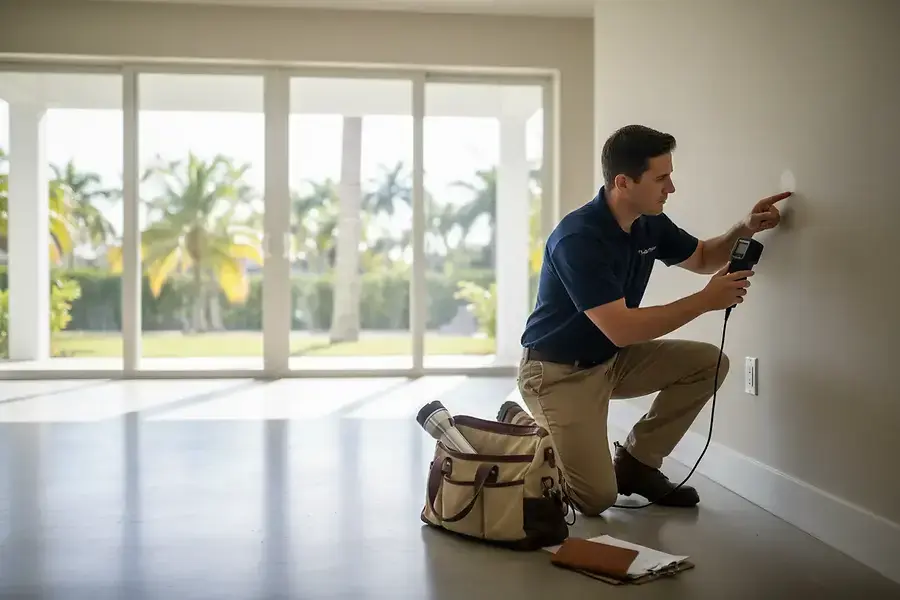
During the inspection, a certified inspector will systematically examine the property both inside and out. You have the right to be present during this process, and it's highly recommended that you attend. This gives you the opportunity to ask questions, understand the inspector's findings firsthand, and learn more about your potential new home.
The inspector will use specialized tools and equipment to assess various systems and components. They'll take photographs, make detailed notes, and document their findings in a comprehensive report. This report becomes your roadmap for understanding the property's condition and any necessary repairs or maintenance.
Key Areas Inspectors Examine and Why They Matter
Structural Components
Inspectors carefully evaluate the foundation, walls, and roof structure. Foundation issues are particularly critical in Delray Beach due to the region's unique soil composition and moisture conditions. Any cracks, settling, or water damage can indicate serious structural problems that may require expensive repairs.
Roofing System
The roof is your home's first line of defense against Florida's intense weather. Inspectors examine:
- Shingle condition and age
- Flashing integrity around chimneys and vents
- Proper drainage and gutter systems
- Signs of leaks or water damage in the attic
A roof replacement can cost thousands of dollars, making this inspection area particularly important for Delray Beach properties.
Plumbing and Water Systems
Inspectors test water pressure, check for leaks, and examine pipe materials. They'll look for:
- Corroded or deteriorating pipes
- Proper water heater function and age
- Septic system condition (if applicable)
- Signs of water damage or mold
Electrical Systems
Electrical safety is non-negotiable. Inspectors verify that the electrical panel is properly grounded, check for outdated wiring, and ensure outlets are safely installed. Outdated electrical systems may need upgrading to meet current safety standards.
HVAC Systems
In Delray Beach's warm climate, air conditioning is essential. Inspectors evaluate the AC unit's age, efficiency, and condition. They'll also check the heating system if present and verify proper ventilation throughout the home.
Interior Components
Don't overlook interior elements. Inspectors examine:
- Windows and doors for proper operation and sealing
- Flooring for damage or wear
- Walls and ceilings for cracks or water stains
- Appliances included in the sale
- Insulation and ventilation
Understanding Your Inspection Report and Red Flags
Report Organization
A professional inspection report is typically organized by system and component. Each item is usually categorized as:
- Satisfactory - No issues found
- Minor Repair Needed - Small fixes recommended
- Major Repair Needed - Significant work required
- Safety Concern - Immediate attention necessary
Identifying Red Flags
Certain findings should raise serious concerns. Watch for multiple major repairs needed in the same system, as this may indicate deeper problems. Red flags include:
- Foundation cracks or settling
- Extensive water damage or mold
- Outdated electrical systems requiring replacement
- Roof nearing end of life expectancy
- HVAC system failure or age beyond typical lifespan
- Plumbing issues suggesting systemic problems
Remember: A few minor issues are normal in any home. The key is understanding which problems are cosmetic and which could affect your safety or wallet.
Getting Clarification
Don't hesitate to ask your inspector to explain findings you don't understand. Request estimates for major repairs and ask about the urgency of different issues. This information will be crucial for your next steps.
Next Steps: Using Inspection Results in Your Purchase Decision
Negotiation Strategy
Armed with your inspection report, you have several options. You can:
- Request the seller make repairs before closing
- Negotiate a price reduction to cover repair costs
- Ask for a credit at closing to handle repairs yourself
- Walk away from the deal if issues are too significant
Your inspection contingency period is your protection. Use this time wisely to make an informed decision.
Getting Second Opinions
For major issues, consider hiring a specialist. A structural engineer can assess foundation problems, a roofer can evaluate roof condition, or a plumber can inspect plumbing systems. These specialized inspections provide detailed information for negotiation.
Planning for Future Maintenance
Even if you move forward with the purchase, use the inspection report as a maintenance guide. Address minor issues promptly to prevent them from becoming major problems. Schedule regular maintenance for HVAC systems, plumbing, and other critical components.
Final Thoughts
A professional home inspection is an investment in your peace of mind and financial security. In Delray Beach's competitive real estate market, a thorough inspection protects you from costly surprises and gives you the information needed to make a confident purchasing decision. Don't skip this critical step—your future home and your wallet will thank you.


