The Complete Home Inspection Guide for Elizabeth City Buyers
Learn the critical inspection steps and local considerations that protect your investment when purchasing a home in Elizabeth City.

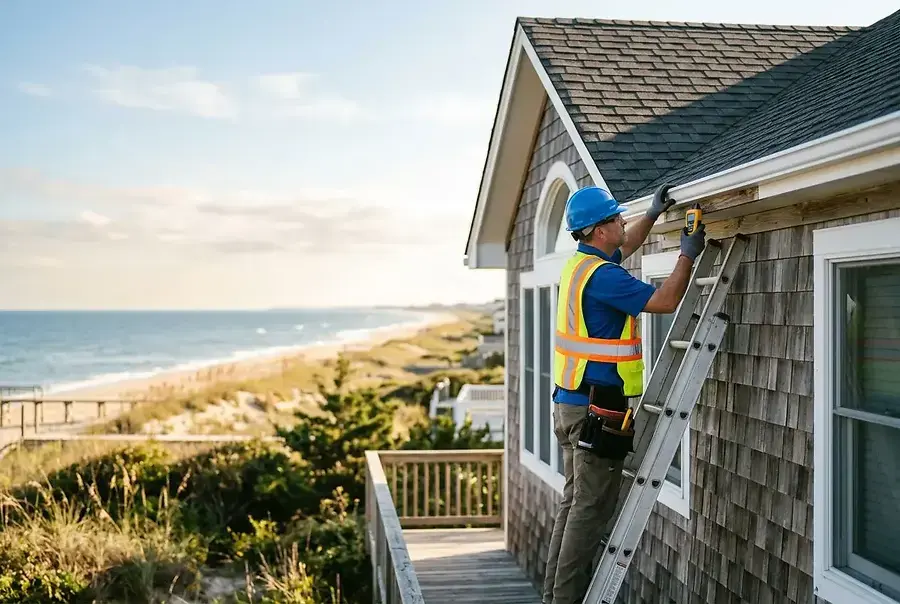
Understanding Elizabeth City's Unique Inspection Concerns
Elizabeth City, located in the heart of North Carolina's Outer Banks region, presents unique environmental and structural challenges that every home buyer must understand. The coastal proximity means homes face distinct weather patterns, moisture issues, and salt-air corrosion that differ significantly from inland properties. Before scheduling your inspection, familiarize yourself with these local considerations to ask the right questions and identify potential problems early.
The humid subtropical climate combined with seasonal storms creates specific vulnerabilities in older and newer homes alike. Water damage, mold growth, and foundation settling are among the most common issues inspectors discover in Elizabeth City properties. Additionally, the area's rich history means many homes have been renovated multiple times, sometimes with questionable methods that may not meet current building codes.
Critical Areas to Inspect in Elizabeth City Homes
Roof and Exterior Structures
Your roof is your first line of defense against Elizabeth City's weather challenges. Inspectors should thoroughly examine:
- Shingle condition and age—coastal winds accelerate deterioration
- Flashing around chimneys, vents, and skylights for water intrusion
- Gutters and downspouts for proper drainage away from the foundation
- Signs of previous repairs or patching that may indicate recurring problems
Pro tip: Ask your inspector about the roof's remaining lifespan. In Elizabeth City's climate, roofs typically last 15-20 years rather than the standard 20-25 years in other regions.
Foundation and Basement Areas
Elizabeth City's sandy soil and high water table make foundation inspection critical. Your inspector should evaluate:
- Cracks in the foundation—both horizontal and vertical patterns indicate different severity levels
- Water stains on basement walls and floors showing past or present moisture problems
- Proper grading around the home to ensure water flows away from the foundation
- Sump pump functionality if the home has one installed
Water intrusion is the most expensive problem to remediate in Elizabeth City homes. Don't skip this inspection area, and consider hiring a specialized moisture assessment if concerns arise.
HVAC and Plumbing Systems
The coastal environment accelerates corrosion in metal components. During inspection, verify:
- Age and condition of the HVAC system—salt air reduces equipment lifespan
- Copper piping for green oxidation indicating corrosion
- Water heater age and condition, particularly important in humid climates
- Proper ventilation in bathrooms and kitchen to manage moisture
Request documentation of recent maintenance records. Well-maintained systems in Elizabeth City homes often outlast their typical lifespan when properly cared for.
Electrical Systems and Safety Features
Moisture and salt air affect electrical components differently than in other regions. Ensure your inspector checks:
- Panel condition and whether it's properly grounded
- GFCI outlets in bathrooms, kitchens, and outdoor areas
- Aluminum wiring, which was common in older Elizabeth City homes and poses fire risks
- Proper bonding of metal components to prevent corrosion issues
Windows, Doors, and Insulation
Energy efficiency matters in Elizabeth City's climate. Your inspector should evaluate:
- Window and door seals for air leaks and water intrusion
- Insulation levels in attics and walls—proper insulation reduces moisture problems
- Storm windows and shutters if present, and their condition
- Weatherstripping and caulking around all openings
Working with Local Inspectors and What to Expect
Choosing the Right Inspector
Not all home inspectors understand Elizabeth City's specific challenges. When selecting an inspector, prioritize those with:
- Certification from the North Carolina Home Inspection Board
- Minimum 5+ years of experience inspecting coastal properties
- Knowledge of local building codes and renovation standards
- Willingness to provide detailed written reports with photographs
Ask potential inspectors about their experience with moisture issues, salt-air corrosion, and foundation problems specific to the area. Their answers will reveal their expertise level.
The Inspection Process
A thorough home inspection in Elizabeth City typically takes 3-4 hours. You should attend the inspection to ask questions and understand issues firsthand. Your inspector will examine the home systematically, documenting findings with photographs and detailed notes.
After the inspection, expect a comprehensive written report within 24-48 hours. This report should include:
- Clear descriptions of all identified issues
- Photographs of problem areas
- Recommendations for repairs or further evaluation
- Estimated severity levels for each issue
Understanding the Report and Next Steps
Don't let inspection reports overwhelm you. Every home has some issues—the question is whether they're manageable or deal-breakers. Major concerns include structural damage, significant water intrusion, or failing systems. Minor concerns might include cosmetic issues or routine maintenance items.
Use the inspection report as a negotiation tool. Request that sellers address major issues before closing, or ask for credits to handle repairs yourself. In Elizabeth City's market, inspection findings often lead to productive negotiations that protect your investment.
Conclusion: Protecting Your Elizabeth City Investment
Purchasing a home in Elizabeth City requires understanding the unique environmental factors that affect coastal properties. A thorough home inspection conducted by a knowledgeable local professional is non-negotiable for protecting your investment.
By focusing on the critical areas outlined in this guide—particularly roof condition, foundation integrity, moisture management, and system functionality—you'll identify potential problems before they become expensive repairs. Remember that the inspection fee is a small price compared to the cost of discovering major issues after closing.
Take your time reviewing the inspection report, ask questions, and don't hesitate to request additional specialized inspections for areas of concern. Your due diligence now will ensure your Elizabeth City home remains a sound investment for years to come.


