The Complete Home Inspection Guide for Georgetown and Topsfield Buyers
Essential steps to protect your investment before closing on a residential property in Massachusetts.

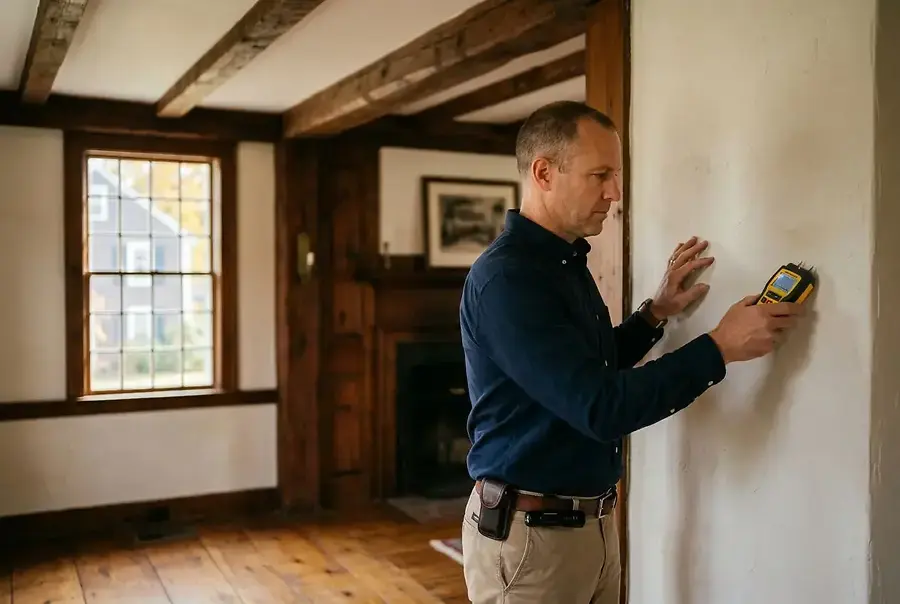
Why Home Inspections Matter in Georgetown and Topsfield
Purchasing a home is one of the most significant financial decisions you'll make in your lifetime. In Georgetown and Topsfield, Massachusetts, where many properties feature historic charm and character, a professional home inspection is not just recommended—it's essential. A thorough inspection can reveal hidden problems that could cost thousands of dollars to repair after closing.
Home inspections provide you with a detailed assessment of your property's condition, from the foundation to the roof. This knowledge empowers you to make informed decisions about your purchase, negotiate repairs with sellers, or adjust your offer accordingly. Without an inspection, you could inherit unexpected expenses and structural issues that significantly impact your quality of life and financial security.
Key Areas to Inspect in Older New England Homes
Foundation and Structural Integrity
New England homes, particularly those in Georgetown and Topsfield, often have foundations built decades ago. Inspectors should look for:
- Cracks in the foundation walls or floor
- Signs of water intrusion or dampness
- Settling or shifting of the structure
- Deterioration of mortar between stones
Foundation issues can be expensive to repair, making this one of the most critical areas to evaluate.
Roofing and Exterior
The roof is your home's first line of defense against New England's harsh weather. Inspectors examine:
- Shingle condition and remaining lifespan
- Flashing around chimneys and vents
- Gutters and downspout functionality
- Exterior siding for rot, damage, or deterioration
A roof replacement can cost $10,000 to $25,000 or more, so understanding its condition is crucial.
Plumbing and Water Systems
Older homes in the area may have outdated plumbing systems. Key inspection points include:
- Pipe material and age (galvanized, copper, or PVC)
- Water pressure and flow rates
- Septic system functionality (if applicable)
- Signs of leaks or water damage
Electrical Systems
Many Georgetown and Topsfield homes still have original electrical systems that may not meet modern demands. Inspectors check:
- Panel capacity and condition
- Presence of outdated fuses or aluminum wiring
- Grounding and safety features
- Outlet and switch functionality
Heating and Cooling Systems
New England winters are unforgiving, making HVAC systems critical. Inspectors evaluate:
- Furnace or boiler age and efficiency
- Air conditioning unit condition
- Ductwork integrity
- Thermostat functionality
Red Flags and How to Address Them
Mold and Moisture Issues
Red Flag: Visible mold, musty odors, or water stains on ceilings and walls.
How to Address: Request a mold inspection and moisture assessment. Determine the source of moisture and get repair estimates. Mold remediation can be costly, so factor this into your negotiations.
Pest Infestation
Red Flag: Evidence of termites, carpenter ants, or rodents.
How to Address: Hire a pest control specialist for a detailed assessment. Request that the seller treat the infestation before closing or negotiate a credit toward treatment costs.
Asbestos and Lead Paint
Red Flag: Homes built before 1980 may contain asbestos; those built before 1978 likely have lead paint.
How to Address: Request specialized testing if you have concerns. While not always dangerous if undisturbed, knowing its presence helps you plan for future renovations and protect your family's health.
Outdated Systems Nearing End of Life
Red Flag: Furnace, roof, or water heater over 15-20 years old.
How to Address: Get replacement cost estimates and factor these into your offer. You may negotiate for the seller to replace systems or provide a credit at closing.
Poor Ventilation and Insulation
Red Flag: High energy bills, ice dams, or inadequate attic insulation.
How to Address: Request energy audits and insulation assessments. These upgrades can improve comfort and reduce utility costs significantly.
Moving Forward with Confidence After Your Inspection
Review the Inspection Report Thoroughly
Take time to understand the inspector's findings. Ask questions about anything unclear and request clarification on severity levels. A good inspector will explain issues in detail and provide context about urgency.
Prioritize Issues by Severity
Not all issues require immediate attention. Categorize findings into three groups:
- Critical: Safety hazards or structural issues requiring immediate repair
- Important: Systems nearing end of life or requiring attention within 1-2 years
- Minor: Cosmetic issues or maintenance items
Negotiate Repairs or Credits
Use your inspection report as a negotiation tool. Request that sellers repair critical issues, provide credits for repairs you'll handle, or adjust the purchase price accordingly. Many sellers in Georgetown and Topsfield expect these negotiations and budget for them.
Plan Your Maintenance Strategy
Once you own the home, create a maintenance schedule based on inspection findings. Address critical items immediately and plan for upcoming replacements. Regular maintenance prevents small issues from becoming expensive problems.
Consider a Follow-Up Inspection
If major repairs are negotiated, consider hiring an inspector to verify completion before closing. This ensures work meets standards and protects your investment.
Pro Tip: Keep your inspection report and all repair documentation for future reference. These records are valuable when selling your home and help you track maintenance history.
Final Thoughts
A comprehensive home inspection is your best defense against costly surprises after closing. In Georgetown and Topsfield's competitive real estate market, being thorough and informed gives you confidence in your purchase decision. Take the inspection process seriously, ask questions, and use the findings to make the best choice for your family and your financial future.


