The Complete Home Inspection Guide for Gilbert, Arizona Buyers
Learn what to look for during inspections to make informed purchase decisions in Gilbert's competitive market.

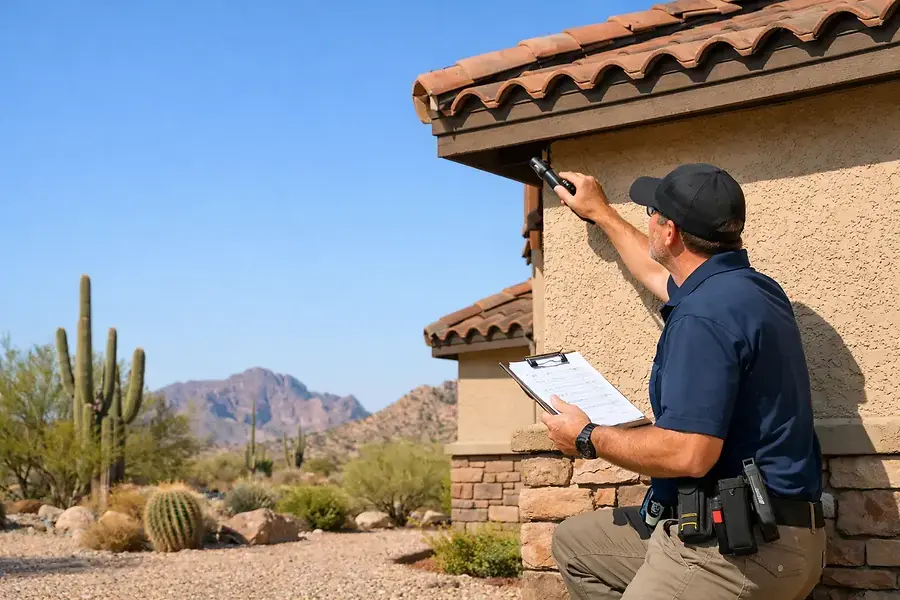
Understanding the Home Inspection Process in Gilbert
Purchasing a home in Gilbert, Arizona is one of the most significant investments you'll make. A professional home inspection is a critical step in protecting that investment. During a typical inspection, a certified inspector will spend 2-3 hours thoroughly examining your potential new home, documenting its condition and identifying any issues that need attention.
In Gilbert's competitive real estate market, having a home inspection contingency in your offer is essential. This contingency allows you to hire an independent inspector to evaluate the property before finalizing your purchase. Most inspectors in the Gilbert area charge between $300-$500 for a standard residential inspection, depending on the home's size and age.
What to Expect During Your Inspection
Your inspector will provide a detailed written report within 24-48 hours of the inspection. This report includes photographs, descriptions of defects, and recommendations for repairs or further evaluation. You'll have the opportunity to review findings and decide whether to request repairs, ask for credits, or renegotiate the purchase price.
Key Areas Inspectors Evaluate in Arizona Homes
Roof and Exterior
Arizona's intense sun and occasional monsoon storms take a toll on roofing materials. Inspectors will assess shingle condition, flashing integrity, and gutter functionality. They'll also examine the exterior walls, windows, doors, and any visible signs of water damage or pest intrusion.
HVAC Systems
Your heating and cooling system is crucial in Gilbert's desert climate. Inspectors test both air conditioning and heating functionality, check refrigerant levels, and evaluate the age and maintenance history of the unit. A well-maintained HVAC system can last 15-20 years, but replacement costs can exceed $5,000.
Plumbing and Water Systems
Inspectors check water pressure, drainage, and the condition of visible pipes. In Arizona, hard water is common, which can affect plumbing longevity. They'll also evaluate your water heater's age and condition, as these typically last 8-12 years.
Electrical Systems
A thorough electrical inspection includes checking the main panel, circuit breakers, outlets, and switches. Inspectors verify that the home meets current electrical codes and identify any potential safety hazards. Older homes may have outdated wiring that needs upgrading.
Foundation and Structure
Arizona's expansive clay soil can cause foundation issues. Inspectors look for cracks, settling, or signs of water damage in the foundation. They'll also examine the home's structural integrity, including walls, ceilings, and support beams.
Interior Components
Inspectors evaluate flooring, walls, ceilings, doors, and windows throughout the home. They test appliances, check for proper insulation, and assess the overall condition of living spaces. They'll also look for signs of mold, pest damage, or other environmental concerns.
Red Flags and How to Respond to Inspection Findings
Major Concerns
Foundation cracks or settling: Horizontal cracks wider than 1/4 inch or multiple cracks warrant a structural engineer's evaluation. This could indicate serious foundation problems requiring expensive repairs.
Roof damage or age: If your roof is nearing the end of its lifespan or shows significant damage, budget for replacement. A new roof is a substantial expense that shouldn't be ignored.
Electrical hazards: Outdated wiring, missing ground wires, or improper grounding are serious safety concerns. These issues should be addressed before closing.
Plumbing problems: Leaks, low water pressure, or corroded pipes can lead to water damage and costly repairs. Have a plumber evaluate significant issues.
Minor Concerns
Not every finding requires immediate action. Minor issues like caulking gaps, loose cabinet handles, or cosmetic damage can often be negotiated as seller credits or handled after purchase.
How to Respond
After receiving your inspection report, you have several options:
- Request repairs: Ask the seller to fix major issues before closing
- Request credits: Negotiate a credit toward closing costs to handle repairs yourself
- Renegotiate price: Ask for a price reduction reflecting the cost of repairs
- Walk away: If issues are too significant, you can terminate the contract
In Gilbert's competitive market, sellers may be reluctant to make major repairs. Be prepared to prioritize your requests and focus on health and safety issues.
Moving Forward: Using Inspection Results in Your Offer
Negotiation Strategies
Use your inspection report as a negotiation tool. Get repair estimates from licensed contractors to support your requests. Sellers are more likely to respond favorably when you provide specific costs and professional documentation.
Planning for Future Maintenance
Even if the inspection reveals no major issues, use the report to plan future maintenance. Understanding your home's systems and their expected lifespan helps you budget for upcoming expenses. Arizona homes require specific maintenance due to the climate, including regular HVAC servicing and roof inspections.
Final Walk-Through
Before closing, conduct a final walk-through to verify that agreed-upon repairs were completed satisfactorily. Check that all systems are functioning and that the home's condition matches the inspection report.
A home inspection is your opportunity to make an informed decision about one of life's biggest purchases. By understanding what inspectors evaluate and how to respond to findings, you'll be better equipped to navigate Gilbert's real estate market with confidence. Don't skip this crucial step—your future home and your financial security depend on it.


