The Complete Home Inspection Guide for Goodlettsville Buyers
Learn what to look for during a home inspection to protect your investment and avoid costly surprises.

Understanding the Home Inspection Process
Purchasing a home is one of the most significant investments you'll make in your lifetime. In Goodlettsville, a thorough home inspection is a critical step in the buying process that can save you thousands of dollars in unexpected repairs and maintenance costs. A professional home inspection is a comprehensive examination of a property's physical structure and systems, conducted by a licensed inspector who will provide you with a detailed report of their findings.
The inspection typically lasts between two to four hours, depending on the size and age of the property. During this time, the inspector will examine both the interior and exterior of the home, checking everything from the foundation to the roof. As a buyer, you have the right to be present during the inspection, and it's highly recommended that you attend to ask questions and gain a better understanding of the property's condition.
What to Expect During an Inspection
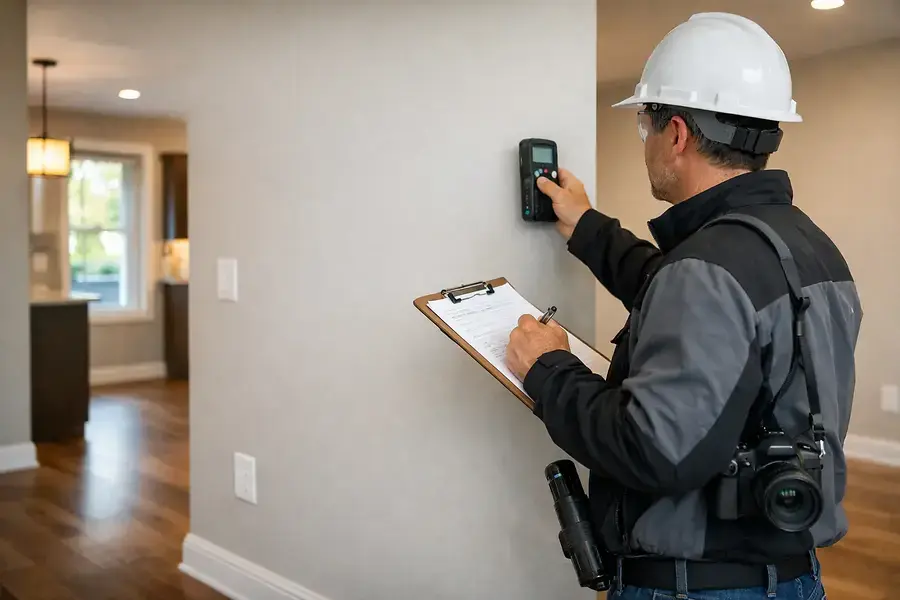
A standard home inspection covers the major systems and components of a home. The inspector will use specialized tools and equipment to assess the condition of various elements. They will document their findings with photographs and detailed notes, which will be compiled into a comprehensive report. This report will highlight any issues found, categorize them by severity, and provide recommendations for repairs or further evaluation by specialists.
Key Areas Inspectors Evaluate
Professional inspectors focus on several critical areas of your potential home. Understanding what they're looking for can help you ask informed questions and better understand the report.
Structural Components
Inspectors examine the foundation, walls, and overall structural integrity of the home. They look for signs of settling, cracks, water damage, and other issues that could affect the stability of the building. A compromised foundation can be extremely costly to repair, making this one of the most important areas of evaluation.
Roofing and Exterior
The roof is your home's first line of defense against the elements. Inspectors assess the condition of roofing materials, check for missing or damaged shingles, examine flashing around chimneys and vents, and evaluate gutters and downspouts. They also inspect siding, windows, doors, and other exterior elements for damage or deterioration.
Plumbing Systems
A thorough plumbing inspection includes checking water pressure, testing drains, inspecting visible pipes for leaks or corrosion, and examining the water heater. Inspectors will also verify that the home has proper drainage and that the septic system or sewer connection is functioning correctly. Plumbing issues can lead to water damage and mold growth if left unaddressed.
Electrical Systems
Inspectors evaluate the electrical panel, test outlets and switches, check for proper grounding, and assess the overall safety of the electrical system. They look for outdated wiring, insufficient outlets, and any potential fire hazards. Electrical problems can be dangerous and expensive to fix, so this is a critical area of inspection.
HVAC Systems
The heating, ventilation, and air conditioning systems are essential for comfort and indoor air quality. Inspectors test these systems to ensure they're functioning properly, check for proper maintenance, and assess their age and condition. Replacing an HVAC system can be a significant expense, so understanding its condition is important.
Interior Components
Inspectors also examine interior elements such as walls, ceilings, floors, doors, and windows. They look for signs of water damage, mold, pest infestation, and structural issues. They'll also check appliances that are included in the sale and evaluate the condition of cabinets, countertops, and other fixtures.
How to Prepare for and Review Your Inspection Report
Before the Inspection
Prepare a list of questions or concerns you have about the property. Ask the seller's agent about any known issues or recent repairs. Make sure the inspector has access to all areas of the home, including the attic, basement, and crawl spaces. Ensure that utilities are turned on so the inspector can test systems properly.
During the Inspection
Attend the inspection and take notes. Ask the inspector to explain what they're looking for and what they find. Request clarification on any issues or concerns. Take photos of areas that concern you. This hands-on approach will give you valuable insights into the property's condition and help you make an informed decision.
Reviewing the Report
Once you receive the inspection report, take time to review it carefully. Most reports categorize findings by severity:
- Critical Issues: Problems that pose safety risks or require immediate attention
- Major Issues: Significant defects that will likely need repair soon
- Minor Issues: Small problems that don't require immediate attention but should be monitored
Don't be alarmed if the report identifies issues—most homes have some problems. Focus on understanding the severity and cost implications of the findings.
Taking Action Based on Inspection Findings
Negotiating Repairs and Credits
Armed with the inspection report, you have several options. You can request that the seller make repairs before closing, ask for a credit to cover repair costs, or negotiate a price reduction. In Goodlettsville's competitive market, your approach will depend on the severity of issues found and the current market conditions. Work with your real estate agent to determine the best strategy.
Getting Specialist Evaluations
If the inspector identifies potential issues that require further evaluation, hire specialists such as structural engineers, pest control experts, or HVAC technicians. These professionals can provide detailed assessments and cost estimates for repairs. This additional information will help you make a more informed decision about proceeding with the purchase.
Planning for Future Maintenance
Even if no major issues are found, use the inspection report as a guide for future maintenance. The inspector's recommendations can help you prioritize repairs and plan your home maintenance budget. Regular maintenance can prevent small issues from becoming major problems down the road.
Making Your Final Decision
After reviewing the inspection report and considering all factors, you'll need to decide whether to proceed with the purchase, renegotiate terms, or walk away. Remember that no home is perfect, but understanding what you're buying allows you to make a confident, informed decision. A thorough home inspection is an investment in your peace of mind and financial security as a Goodlettsville homeowner.
The bottom line: A professional home inspection is one of the most important steps in the home buying process. By understanding what inspectors evaluate, preparing for the inspection, and carefully reviewing the report, you can protect your investment and avoid costly surprises after closing.


