The Complete Home Inspection Guide for Green Bay Homebuyers and Sellers
Discover the essential inspection checkpoints that protect your investment in Green Bay's residential market.

Why Home Inspections Matter in Green Bay
Whether you're buying your first home in Green Bay or selling a property you've owned for decades, a professional home inspection is one of the most critical steps in any real estate transaction. In Wisconsin's climate, homes face unique challenges that require thorough evaluation before purchase or sale.
A comprehensive home inspection protects both buyers and sellers by identifying potential issues early, preventing costly surprises down the road. For buyers, it provides peace of mind and negotiating power. For sellers, it demonstrates transparency and can expedite the sale process. In Green Bay's competitive market, understanding what inspectors look for can make the difference between a smooth transaction and a problematic one.
Key Areas Inspectors Examine in Wisconsin Homes
Structural Components and Foundation
Inspectors begin by evaluating the foundation, which is critical in Wisconsin where freeze-thaw cycles can cause significant damage. They look for:
- Cracks in concrete or masonry
- Signs of water intrusion or moisture
- Settling or shifting of the structure
- Proper grading around the foundation
The foundation is your home's literal base, and any issues here can lead to expensive repairs if left unaddressed.
Roofing and Exterior Systems
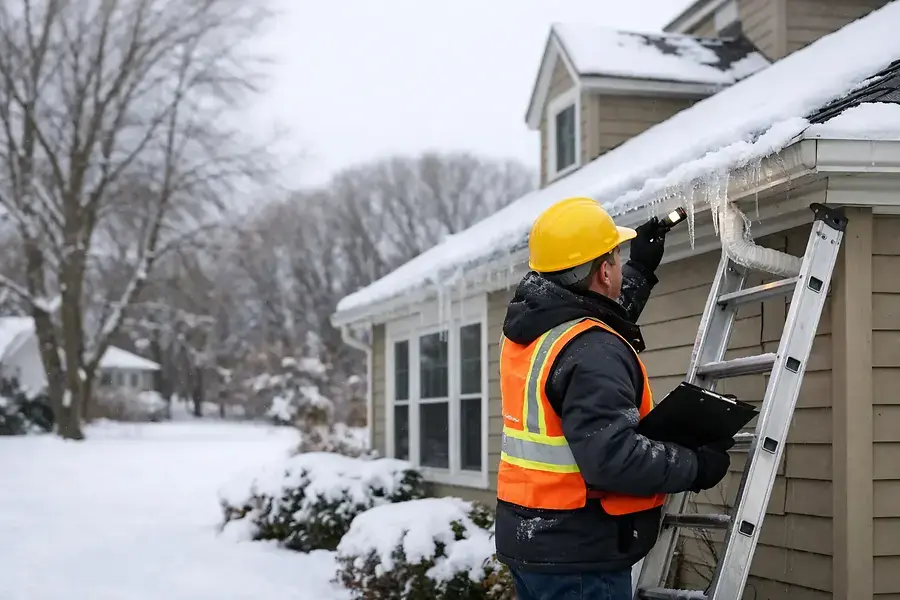
Green Bay's harsh winters demand special attention to roofing. Inspectors examine:
- Roof condition and remaining lifespan
- Proper ventilation and attic conditions
- Gutters, downspouts, and drainage systems
- Siding, windows, and exterior sealing
- Chimney condition and flashing
A compromised roof can lead to water damage throughout the entire home, making this inspection area particularly important in Wisconsin's snowy climate.
Plumbing and Water Systems
Water-related issues are among the most common and costly problems found during inspections. Inspectors check:
- Water pressure and flow rates
- Pipe materials and condition
- Water heater functionality and age
- Sump pump operation
- Septic systems or municipal connections
Frozen pipes are a particular concern in Green Bay winters, so inspectors pay special attention to pipe insulation and protection.
Electrical Systems
A safe electrical system is non-negotiable. Inspectors evaluate:
- Panel condition and capacity
- Proper grounding and bonding
- GFCI outlets in wet areas
- Outdated wiring or safety hazards
- Overall code compliance
Heating, Ventilation, and Air Conditioning (HVAC)
Wisconsin's cold winters make heating systems critical. Inspectors assess:
- Furnace age and condition
- Proper ventilation and safety
- Thermostat functionality
- Air conditioning systems (if present)
- Ductwork condition and sealing
Understanding Green Bay's Common Issues and Solutions
Moisture and Water Damage
This is the most prevalent issue in Wisconsin homes. Green Bay's precipitation and snowmelt create constant moisture challenges. Common problems include:
Basement moisture and flooding: Many Green Bay homes experience water in basements during heavy rains or spring thaw. Solutions include proper grading, sump pumps, interior or exterior drainage systems, and waterproofing.
Attic moisture: Poor ventilation traps moisture in attics, leading to mold and wood rot. Proper ventilation and insulation are essential solutions.
Ice Dams and Winter Damage
Ice dams form when heat escapes through the roof, melting snow that refreezes at the eaves. This causes water to back up under shingles and into the home. Prevention involves proper attic insulation, ventilation, and gutter maintenance.
Aging Systems and Components
Many Green Bay homes are older, featuring systems that may be nearing the end of their lifespan. Inspectors identify which components need replacement soon, helping you budget for future repairs.
Radon and Indoor Air Quality
Wisconsin has elevated radon levels in many areas. While radon testing isn't always included in standard inspections, it's highly recommended. Radon mitigation systems are effective and relatively affordable.
Making Informed Decisions with Inspection Reports
Understanding the Report
A professional inspection report details findings in clear categories: items that need immediate attention, those requiring monitoring, and recommendations for future maintenance. Don't panic if the report identifies issues—most homes have some concerns. The key is understanding severity and cost implications.
For Buyers: Negotiation and Decision-Making
Use inspection findings to:
- Request repairs from the seller
- Negotiate a lower purchase price
- Plan for future maintenance and repairs
- Make an informed decision about proceeding with the purchase
For Sellers: Transparency and Preparation
Providing a pre-inspection report demonstrates honesty and can:
- Build buyer confidence
- Prevent inspection-related deal fallbacks
- Justify your asking price
- Show you've maintained the property
Working with Professionals
Partner with licensed home inspectors who understand Wisconsin's specific challenges. Ask about their experience with Green Bay properties, certifications, and whether they recommend additional specialized inspections (radon, mold, pest, etc.).
Conclusion: Protecting Your Green Bay Investment
A thorough home inspection is an investment in your peace of mind and financial security. Whether buying or selling in Green Bay, understanding what inspectors examine and what common issues to expect puts you in control of your real estate transaction.
The cost of a professional inspection is minimal compared to the potential savings from identifying major issues before purchase or the protection it provides sellers in demonstrating property condition.
Take the inspection process seriously, ask questions, and use the findings to make informed decisions. In Green Bay's real estate market, knowledge truly is power.


