The Complete Home Inspection Guide for Greensboro Homebuyers
Learn what inspectors look for and how to protect your investment before closing the deal.

Why Home Inspections Matter in Greensboro's Real Estate Market
Purchasing a home is one of the most significant financial decisions you'll make in your lifetime. In Greensboro's competitive real estate market, a professional home inspection is your safeguard against costly surprises after closing. An inspection provides an objective assessment of a property's condition, helping you understand exactly what you're investing in.
A thorough home inspection can reveal hidden defects, structural issues, and maintenance problems that aren't visible during a casual walkthrough. Whether you're a first-time homebuyer or an experienced investor, understanding the inspection process empowers you to negotiate repairs, request credits, or make informed decisions about your purchase.
Key Areas Inspectors Examine and Common Issues Found in Greensboro Homes
Structural Components and Foundation
Inspectors begin by evaluating the home's foundation and structural integrity. In Greensboro, homes may experience foundation settling due to soil composition and climate conditions. Common issues include:
- Cracks in the foundation or basement walls
- Water intrusion and moisture problems
- Uneven floors or doors that don't close properly
- Deteriorating mortar joints in brick foundations
Roofing and Exterior
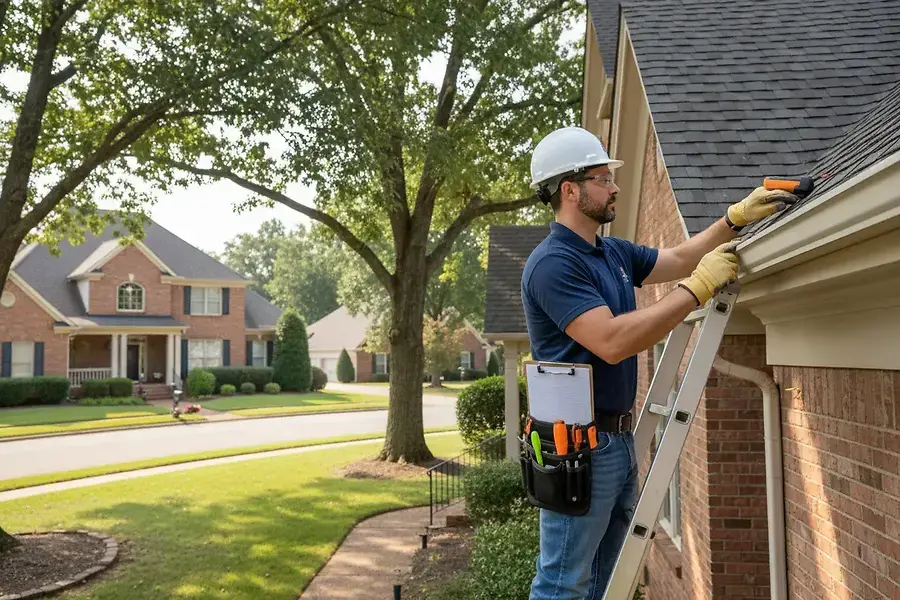
The roof is one of your home's most critical protective barriers. Inspectors assess shingle condition, flashing integrity, and overall wear. Greensboro's weather patterns can accelerate roof deterioration, making this inspection area particularly important. Look for:
- Missing, cracked, or curling shingles
- Damaged flashing around chimneys and vents
- Sagging roof lines indicating structural issues
- Gutter and downspout problems
Plumbing Systems
Water-related issues are among the most expensive problems to repair. Inspectors check water pressure, drainage, and pipe condition throughout the home. Common Greensboro plumbing concerns include:
- Outdated galvanized pipes prone to corrosion
- Slow drains or drainage issues
- Water heater age and functionality
- Leaks under sinks and around fixtures
Electrical Systems
A safe electrical system is non-negotiable. Inspectors verify that the panel is properly grounded, outlets are functioning, and the system meets current safety codes. Older Greensboro homes may have outdated electrical systems requiring upgrades. Watch for:
- Insufficient outlet coverage
- Outdated fuse boxes instead of circuit breakers
- Improper grounding or bonding
- Aluminum wiring (a fire hazard in some cases)
HVAC and Climate Control
Heating and cooling systems are essential for comfort and energy efficiency. Inspectors evaluate furnace and air conditioning unit age, maintenance history, and functionality. In Greensboro's climate, both heating and cooling systems receive significant use.
Interior Conditions
Inspectors examine walls, ceilings, floors, and windows for damage, moisture, and wear. They look for signs of pest infestations, mold, and water damage. Moisture problems are particularly common in Greensboro homes and can lead to serious structural and health issues if left unaddressed.
How to Prepare for an Inspection and Interpret the Report
Before the Inspection
Preparation helps ensure a thorough and efficient inspection process:
- Schedule strategically: Arrange the inspection after your offer is accepted but before the closing deadline
- Provide access: Ensure all areas are accessible, including attics, basements, and crawl spaces
- Gather documentation: Collect any available maintenance records and warranties
- Plan to attend: Being present allows you to ask questions and learn about the property
During the Inspection
Walk through the inspection with the inspector when possible. Ask questions about any concerns and request clarification on technical issues. Take notes and photos of areas that need attention. This hands-on approach helps you understand the property's condition and the inspector's findings.
Understanding Your Inspection Report
Home inspection reports typically categorize findings into three levels:
- Safety Issues: Problems that pose immediate danger and require urgent attention
- Major Repairs: Significant issues affecting the home's functionality or longevity
- Minor Issues: Small problems or maintenance recommendations
The report should include detailed descriptions, photos, and recommendations for each finding.
Don't panic if the report identifies issues—most homes have some problems. The key is understanding their severity and cost implications.
Next Steps After Receiving the Report
Once you have the inspection report, you have several options:
- Request the seller make repairs before closing
- Negotiate a credit toward repairs you'll handle yourself
- Request a price reduction reflecting repair costs
- Walk away from the deal if issues are too significant
Consult with your real estate agent and consider obtaining quotes from contractors for major repairs to inform your negotiations.
Using Inspection Results to Make Confident Purchasing Decisions
A home inspection report is your roadmap to making an informed decision. Rather than viewing identified issues as deal-breakers, consider them as information that helps you understand your investment fully. Every home has some issues—the question is whether they're manageable and within your budget.
Use the inspection results to prioritize repairs, plan your maintenance budget, and negotiate fair terms with the seller. Remember that the inspector's role is to identify conditions, not to judge whether the home is worth buying. That decision ultimately rests with you, armed with complete information about the property's condition.
By understanding what inspectors look for and how to interpret their findings, you're taking control of one of life's biggest purchases. A thorough home inspection in Greensboro protects your investment and gives you the confidence to move forward with your home buying journey.