The Complete Home Inspection Guide for Hampton Roads Buyers
Learn what professional inspectors look for and how to protect your investment in Norfolk, Chesapeake, and Virginia Beach properties.

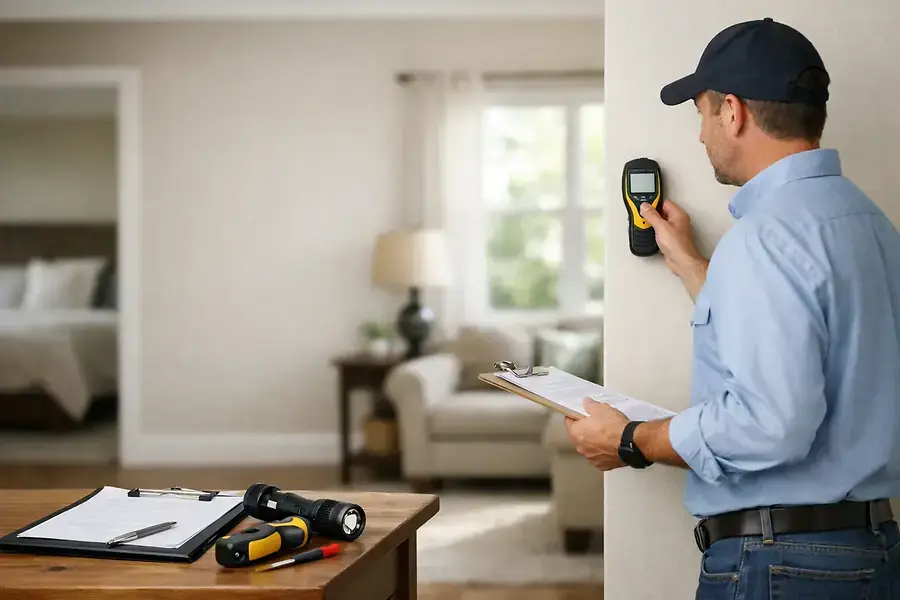
Why Home Inspections Matter in Hampton Roads
Purchasing a home is one of the most significant financial decisions you'll make in your lifetime. In the Hampton Roads area—including Norfolk, Chesapeake, and Virginia Beach—the real estate market is competitive and fast-moving. A professional home inspection is your safeguard against costly surprises after closing day. An inspection provides an objective assessment of a property's condition, giving you the information needed to negotiate repairs, request credits, or walk away from a problematic deal.
The unique climate and geography of Hampton Roads present specific challenges that inspectors must evaluate. From salt air corrosion to moisture-related issues, understanding what to expect during an inspection helps you make informed decisions about your investment.
What Professional Inspectors Evaluate: Structural, Mechanical, and Environmental Concerns
Structural Components
Professional inspectors begin by examining the foundation, framing, and overall structural integrity of the home. They look for:
- Foundation cracks, settling, or water intrusion
- Roof condition, age, and signs of damage or leaks
- Exterior walls, siding, and window integrity
- Attic ventilation and insulation adequacy
- Basement or crawl space moisture issues
In Hampton Roads, moisture management is critical due to the region's humidity and proximity to water. Inspectors pay special attention to drainage systems and potential water damage.
Mechanical Systems
The home's mechanical systems are vital to daily comfort and safety. Inspectors evaluate:
- HVAC systems (heating, ventilation, and air conditioning)
- Electrical panels, wiring, and outlet safety
- Plumbing systems, water pressure, and drainage
- Water heater condition and capacity
- Appliances included in the sale
Given the age of many homes in the Hampton Roads area, outdated electrical systems and aging HVAC units are common findings that may require upgrades or replacement.
Environmental and Safety Concerns
Modern inspections also address environmental hazards that could affect your family's health:
- Lead paint (common in older homes)
- Asbestos in insulation or flooring
- Mold and mildew growth
- Radon gas levels
- Pest infestations or termite damage
These issues require specialized testing and remediation, making early detection essential for protecting your investment.
Red Flags and Common Issues Found in Local Properties
Water Damage and Moisture Problems
Hampton Roads' humid subtropical climate makes water intrusion one of the most prevalent issues. Look for staining on ceilings, walls, or in basements. Mold growth and musty odors are warning signs that moisture problems exist. Inspectors will check gutters, downspouts, grading, and drainage systems to identify the source.
Roof and Exterior Deterioration
Salt air and UV exposure accelerate roof deterioration in coastal areas. Inspectors examine shingles for curling, missing pieces, or granule loss. Metal components like flashing and gutters may show rust or corrosion, requiring replacement sooner than expected.
Aging Systems and Components
Many properties in Norfolk, Chesapeake, and Virginia Beach were built decades ago. Aging electrical panels, outdated plumbing, and worn HVAC systems are frequently discovered during inspections. These systems may still function but could fail unexpectedly, resulting in expensive emergency repairs.
Foundation and Structural Issues
Settling, cracks, or water seepage in foundations are serious concerns. Inspectors use specialized tools to assess the severity of structural problems. Some issues are cosmetic, while others indicate significant underlying problems requiring professional engineering evaluation.
Using Inspection Reports to Negotiate and Make Confident Buying Decisions
Understanding Your Inspection Report
A comprehensive inspection report documents findings in detail, categorizing issues by severity. Reports typically include:
- Photographs of problem areas
- Descriptions of defects and their locations
- Recommendations for repairs or further evaluation
- Estimated costs for remediation (when applicable)
Take time to review the report thoroughly and ask your inspector questions about any findings you don't understand. Your real estate agent can help you prioritize concerns.
Negotiation Strategies
Armed with inspection findings, you have several options:
- Request repairs: Ask the seller to fix significant issues before closing
- Negotiate credits: Request a price reduction to cover repair costs yourself
- Request further inspections: Hire specialists for major concerns like foundation or roof issues
- Renegotiate terms: Adjust closing timelines to allow for additional evaluations
In the competitive Hampton Roads market, reasonable requests based on legitimate inspection findings are often accepted, especially for structural or safety concerns.
Making Your Final Decision
Use the inspection report as a tool for informed decision-making. Consider the age of systems, cost of repairs, and your comfort level with potential issues. Some buyers accept minor cosmetic issues, while others prefer move-in ready homes. Your inspection report empowers you to make a choice aligned with your priorities and budget.
Making Your Hampton Roads Home Purchase Secure and Informed
A professional home inspection is an investment in peace of mind. In the Hampton Roads region, where properties face unique environmental challenges, a thorough inspection is invaluable. Never skip this critical step, even in a competitive market or when purchasing a newer home.
Choose a qualified, licensed inspector with experience in the local area. Ask for references and verify credentials. During the inspection, attend the walkthrough if possible—it's an excellent opportunity to learn about the property and ask questions directly.
Remember, an inspection isn't about finding reasons to back out of a deal. It's about understanding what you're buying and making informed decisions. Armed with detailed knowledge of your property's condition, you can move forward with confidence, knowing you've protected your investment in your new Hampton Roads home.


