The Complete Home Inspection Guide for Havelock Residential Buyers
Learn what professional inspectors evaluate and how to protect your investment when buying a home in Havelock.

Introduction: Why Home Inspections Matter in Havelock
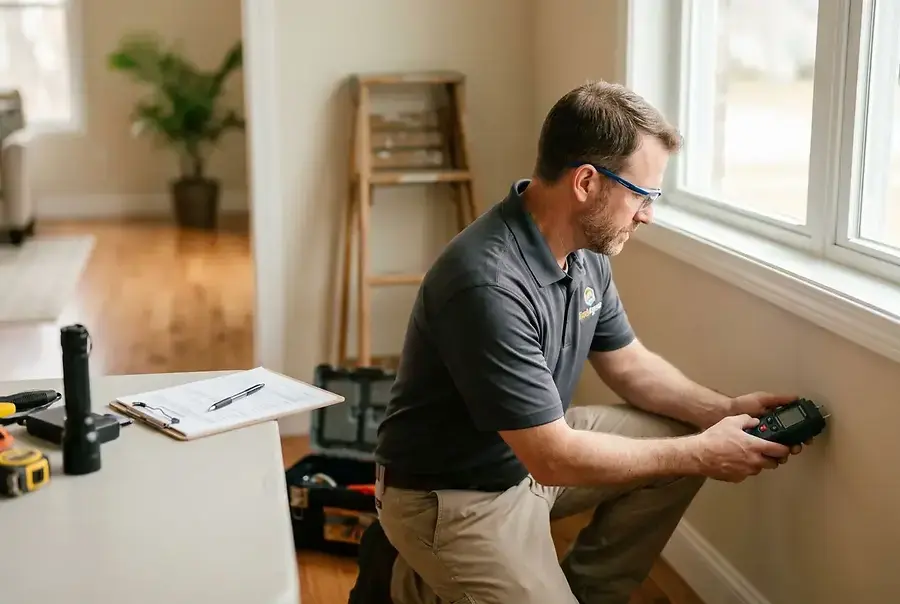
Purchasing a home is one of the most significant financial decisions you'll make in your lifetime. In Havelock, where the real estate market is competitive and diverse, a professional home inspection is your safeguard against costly surprises after closing. A thorough inspection provides you with detailed knowledge about your potential property's condition, helping you negotiate better terms, plan for future repairs, and avoid purchasing a home with hidden structural or mechanical problems.
Home inspections are not just a formality—they're an essential step in the buying process that can save you thousands of dollars and prevent years of frustration. Whether you're a first-time homebuyer or an experienced investor, understanding what inspectors look for in Havelock homes will empower you to make confident, informed decisions.
Key Areas Inspectors Evaluate in Havelock Homes
Structural Components and Foundation
Professional inspectors begin by examining the foundation and structural integrity of the home. In Havelock, where homes may experience varying soil conditions and moisture levels, foundation issues are particularly important to assess. Inspectors look for cracks, settling, water damage, and signs of structural movement that could indicate serious problems requiring expensive repairs.
What to watch for:
- Visible cracks in the foundation or basement walls
- Evidence of water intrusion or dampness
- Uneven floors or doors that don't close properly
- Bowing or leaning walls
Roofing and Exterior
The roof is your home's first line of defense against the elements. Inspectors evaluate the roof's age, condition, and remaining lifespan. They also examine siding, windows, doors, gutters, and drainage systems. In Havelock's climate, proper exterior maintenance is crucial for preventing water damage and protecting your investment.
Key inspection points include:
- Roof shingles or material condition and age
- Flashing around chimneys and vents
- Gutter functionality and proper drainage
- Exterior siding integrity and paint condition
- Window and door seals
Plumbing Systems
A comprehensive plumbing inspection checks water supply lines, drainage systems, fixtures, and water heaters. Inspectors test water pressure, check for leaks, and assess the condition of pipes. Older Havelock homes may have outdated plumbing that requires updating, which is important to know before purchase.
Inspectors will examine:
- Water pressure and flow throughout the home
- Visible pipes for corrosion or damage
- Water heater age and condition
- Drain functionality and signs of blockages
- Septic systems or sewer connections
Electrical Systems
Electrical safety is paramount. Inspectors evaluate the main panel, wiring, outlets, and switches to ensure the system meets current safety standards. Outdated electrical systems in older Havelock homes can pose fire hazards and may not support modern electrical demands.
Critical electrical inspection elements:
- Main electrical panel capacity and condition
- Presence of proper grounding and bonding
- GFCI outlets in bathrooms and kitchens
- Adequate number of outlets and circuits
- Signs of overheating or damaged wiring
HVAC Systems
Heating, ventilation, and air conditioning systems are essential for comfort and indoor air quality. Inspectors assess the age, condition, and efficiency of furnaces, air conditioners, and ventilation systems. Understanding the remaining lifespan of these systems helps you budget for future replacements.
Interior Condition and Safety
Inspectors examine interior walls, ceilings, floors, and insulation. They look for water damage, mold, pest infestations, and other issues that affect livability. They also check for proper ventilation, adequate insulation, and compliance with safety standards.
How to Prepare for and Use Your Inspection Report
Preparing for the Inspection
Before your inspection appointment, ensure the property is accessible and utilities are turned on. Make a list of any concerns or areas you want the inspector to pay special attention to. Attend the inspection if possible—this gives you the opportunity to ask questions and understand the home's systems firsthand.
Understanding Your Inspection Report
A comprehensive inspection report will detail findings in each major category, ranging from minor cosmetic issues to significant structural concerns. Reports typically use classifications such as satisfactory, minor repair needed, major repair needed, or safety concern. Take time to review the report thoroughly and ask your real estate agent or inspector to clarify any confusing items.
Using Inspection Results for Negotiation
Your inspection report is a powerful negotiation tool. If significant issues are discovered, you have several options: request repairs be completed before closing, ask for a credit toward repairs you'll handle yourself, or renegotiate the purchase price. For major issues like foundation problems or roof replacement needs, getting contractor estimates helps support your negotiation position.
Remember that not every issue requires renegotiation. Minor repairs and normal wear-and-tear are expected in any home. Focus your negotiation efforts on substantial problems that affect safety, structural integrity, or require significant expense to remedy.
Planning for Future Maintenance
Even if no major issues are found, your inspection report provides valuable information for future maintenance planning. Note the age of major systems and plan for replacements accordingly. A roof that's 15 years old, for example, may need replacement within the next 5-10 years, so budget accordingly.
Conclusion: Making Informed Decisions as a Havelock Homebuyer
A professional home inspection is an investment in your peace of mind and financial security. By understanding what inspectors evaluate and how to use their findings, you're equipped to make informed decisions about your Havelock home purchase. Don't skip this crucial step or view it as an unnecessary expense—the insights gained from a thorough inspection can prevent costly mistakes and help you negotiate a fair deal.
Work with a qualified, licensed home inspector who knows Havelock's housing stock and local conditions. Ask for detailed written reports, attend the inspection when possible, and use the findings to protect your investment. With this knowledge in hand, you'll approach your home purchase with confidence and clarity, ensuring you're making one of life's biggest decisions with full information about your potential new home.


