The Complete Home Inspection Guide for Hermosa Beach Homebuyers
What to look for during inspections to protect your investment in this coastal market.

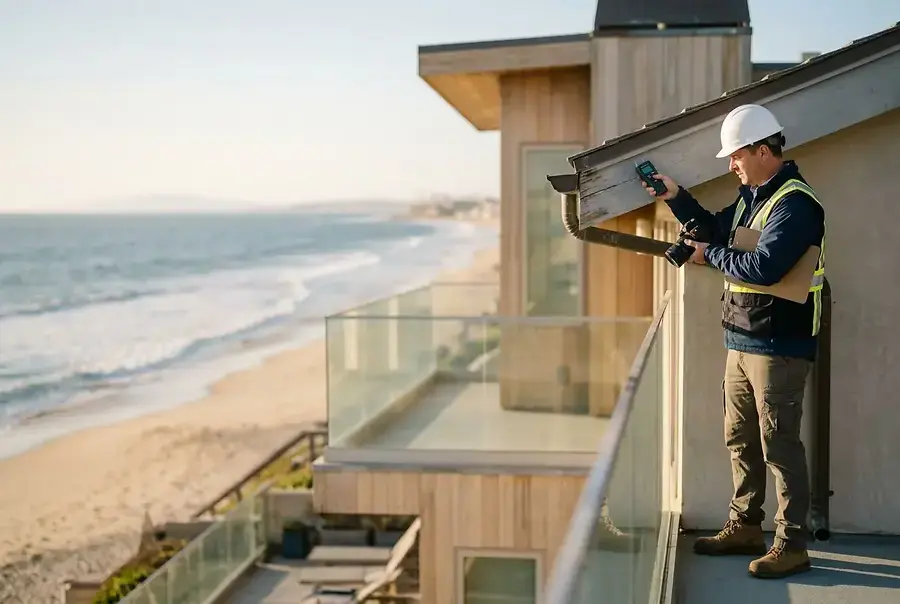
Why Home Inspections Matter in Hermosa Beach's Unique Coastal Environment
Buying a home in Hermosa Beach is an exciting investment, but the coastal location comes with unique challenges that inland properties simply don't face. The combination of salt air, ocean spray, and high humidity creates an environment that can accelerate wear and tear on homes in ways most homebuyers don't anticipate. A thorough home inspection isn't just a formality—it's your first line of defense against costly surprises.
The salt air that makes Hermosa Beach so desirable for residents can be devastating for building materials. Metal components corrode faster, wood deteriorates more quickly, and even concrete and stucco can suffer from salt exposure. A professional inspector familiar with coastal properties will know exactly where to look for these issues and what questions to ask.
Beyond the obvious coastal concerns, Hermosa Beach homes face the same structural and mechanical challenges as any property. A comprehensive inspection protects you by identifying problems before you commit to the purchase, giving you the leverage to negotiate repairs or price adjustments.
Key Areas Inspectors Focus On: Salt Air, Moisture, and Structural Issues
Salt Air Damage and Corrosion
Professional inspectors in Hermosa Beach pay special attention to metal components throughout the home. This includes:
- HVAC systems and air conditioning units
- Electrical panels and wiring connections
- Plumbing fixtures and pipes
- Roof flashing and gutters
- Door and window hardware
Corrosion can compromise the functionality of these systems and lead to expensive replacements. An inspector will check for rust, discoloration, and deterioration that indicates salt air damage.
Moisture Intrusion and Mold
The coastal climate means higher humidity levels, which creates an ideal environment for moisture problems. Inspectors will examine:
- Roof condition and potential leak points
- Window and door seals
- Foundation and basement moisture levels
- Attic ventilation and insulation
- Signs of mold or mildew growth
Moisture intrusion is one of the most expensive problems to remediate, so catching it early is crucial. A moisture meter is a standard tool in any coastal home inspection.
Structural Integrity
Salt air and moisture can weaken structural components over time. Inspectors will assess:
- Foundation cracks and settlement issues
- Wooden framing deterioration
- Deck and patio structural soundness
- Roof framing and support systems
Structural problems are serious and expensive to fix, making them critical to identify during the inspection phase.
Red Flags and Deal-Breakers: What Inspection Reports Really Tell You
Understanding the Inspection Report
A professional inspection report will categorize findings by severity. Learn to distinguish between minor maintenance items and serious concerns:
- Minor Issues: Caulking needs replacement, paint touch-ups, or routine maintenance
- Moderate Concerns: Items that need attention within the next year or two, like roof repairs or HVAC servicing
- Major Red Flags: Structural damage, extensive mold, foundation problems, or failing systems
Common Deal-Breakers in Coastal Homes
Certain findings should give you serious pause:
- Extensive mold growth indicates moisture problems that may be widespread and costly to remediate
- Foundation cracks or settling suggest structural issues that require professional engineering assessment
- Roof deterioration beyond its expected lifespan means imminent replacement costs
- Corroded plumbing or electrical systems may require complete replacement
- Evidence of previous water damage that wasn't properly remediated
Don't ignore red flags hoping they'll go away. In Hermosa Beach's coastal environment, small problems tend to grow into big, expensive ones.
When to Request Further Evaluation
If the inspection reveals potential issues, don't hesitate to hire specialists. A structural engineer, mold inspector, or roofing contractor can provide detailed assessments that inform your decision-making.
Using Inspection Results to Negotiate and Make Confident Offers
Negotiation Strategies
Once you have the inspection report, you have valuable information to use in negotiations:
- Request repairs: Ask the seller to fix identified issues before closing
- Negotiate a price reduction: Use repair estimates to justify a lower offer price
- Request escrow holdback: Have funds held in escrow to cover repairs after closing
- Walk away if necessary: If repairs are too extensive, you have the right to terminate the purchase
Making Confident Offers
A thorough inspection gives you the confidence to make competitive offers in Hermosa Beach's active market. You'll know exactly what you're buying and what costs to expect, allowing you to:
- Price your offer accurately based on true property condition
- Plan for necessary repairs and maintenance
- Avoid overpaying for a property with hidden problems
- Make informed decisions quickly in a competitive market
The Long-Term Value Perspective
Remember that a home inspection is an investment in your peace of mind and financial security. The cost of a professional inspection—typically $300 to $500—is minimal compared to the potential savings from identifying problems early. In Hermosa Beach's coastal environment, this investment is especially valuable.
By understanding what inspectors look for and how to interpret their findings, you're taking control of your home-buying experience and protecting your investment in this desirable coastal community.