The Complete Home Inspection Guide for Hibbing Property Buyers
Discover what to look for during a home inspection to protect your investment in Hibbing's residential market.

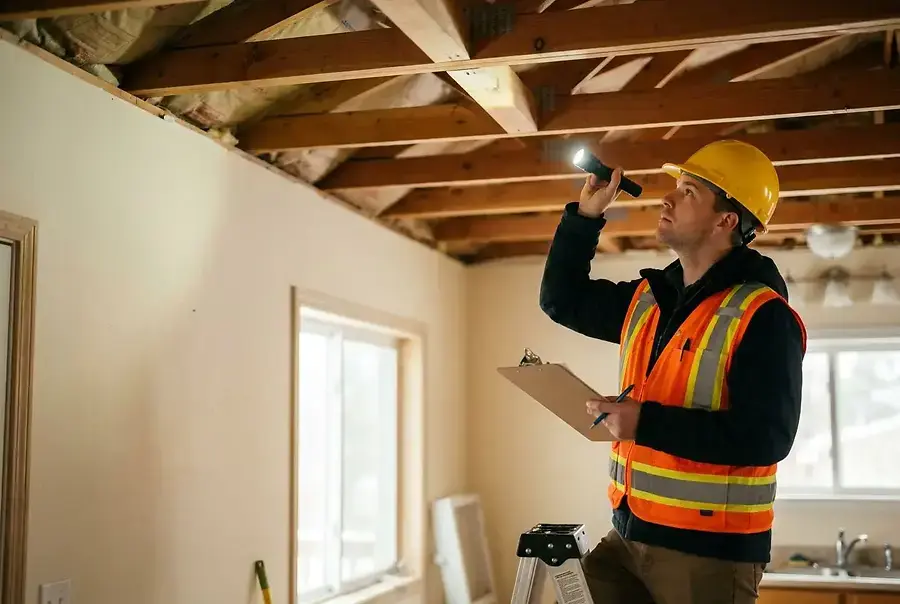
What Professional Home Inspectors Look For in Hibbing Homes
When you're investing in a Hibbing property, a professional home inspection is one of the most critical steps in the buying process. Experienced inspectors examine every major system and component of a home to identify potential issues before you commit to the purchase.
Structural Integrity is the foundation of any home inspection. Inspectors carefully examine the foundation, walls, roof, and overall structural components. In Hibbing's climate, freeze-thaw cycles can cause foundation cracks and settling issues that require immediate attention. They'll look for signs of water damage, shifting, and structural movement that could compromise the home's stability.
Roofing Systems receive thorough evaluation, including shingles, flashing, gutters, and drainage systems. Minnesota winters are harsh, and Hibbing homes need roofs in excellent condition. Inspectors assess the roof's age, condition, and remaining lifespan to help you budget for future replacements.
Plumbing and Water Systems are examined for leaks, corrosion, and proper function. Inspectors test water pressure, check for galvanized pipes that may need replacement, and inspect water heaters. They also evaluate the septic system or municipal connections to ensure everything operates efficiently.
Electrical Systems are inspected for safety and code compliance. This includes the main panel, wiring, outlets, and grounding systems. Outdated electrical systems are common in older Hibbing homes and may need upgrades to meet current safety standards.
HVAC Systems are tested to ensure proper heating and cooling function. Given Hibbing's cold winters, a reliable heating system is essential. Inspectors check furnaces, air conditioning units, ductwork, and ventilation systems.
Common Issues in Hibbing Properties and How to Address Them
Moisture and Water Damage
Hibbing's climate creates unique challenges for homeowners. Basement moisture is one of the most common issues found during inspections. Inspectors look for water stains, mold, and dampness that indicate poor drainage or foundation cracks. Solutions include installing sump pumps, improving grading around the foundation, and sealing cracks.
Aging Infrastructure
Many Hibbing homes were built decades ago and may have outdated systems. Galvanized plumbing corrodes over time and should be replaced with copper or PEX piping. Knob-and-tube wiring is a fire hazard and needs replacement. Budget for these upgrades when making your offer.
Roof Deterioration
Minnesota winters take a toll on roofing materials. Inspectors commonly find:
- Missing or damaged shingles
- Ice dam damage
- Inadequate ventilation
- Flashing issues around chimneys and vents
A roof replacement can cost $8,000-$15,000, so this is a major consideration in your purchase decision.
HVAC System Age
Furnaces typically last 15-20 years. If the home's heating system is nearing the end of its lifespan, factor replacement costs into your negotiations. A new furnace installation can range from $4,000-$8,000.
Using Inspection Reports to Negotiate Better Terms
Once you receive the inspection report, you have valuable leverage in negotiations. Don't panic over minor issues—every home has some wear and tear. Instead, focus on significant problems that affect safety, functionality, or value.
Prioritize Your Concerns
Categorize findings into three groups:
- Critical Issues: Safety hazards like electrical problems, structural damage, or mold
- Major Issues: Expensive repairs like roof replacement or HVAC failure
- Minor Issues: Cosmetic problems or small repairs
Negotiation Strategies
Use your inspection report strategically. You can:
- Request the seller make repairs before closing
- Ask for a price reduction to cover repair costs
- Request a credit at closing for specific repairs
- Ask for extended warranties on major systems
Get repair estimates from licensed contractors for major issues. These estimates give you concrete numbers to present during negotiations and help you understand true costs.
Know When to Walk Away
If inspection reveals extensive problems that would require $20,000+ in repairs, or if critical safety issues exist, it may be wise to reconsider the purchase. Your inspection contingency protects you—use it if necessary.
Next Steps After Your Home Inspection
Review the Report Thoroughly
Don't just skim the summary. Read the detailed findings and understand what each issue means. Ask your inspector questions about anything unclear. Many inspectors offer follow-up consultations to discuss findings.
Get Professional Opinions
For major issues, hire specialists. A structural engineer can assess foundation problems, a roofer can evaluate roof condition, and an electrician can review electrical systems. These expert opinions strengthen your negotiating position.
Plan Your Repairs
Create a timeline for addressing issues. Some repairs are urgent (safety hazards), while others can wait. Prioritize based on impact to your family's safety and the home's value.
Finalize Your Decision
Armed with complete inspection information, you can make a confident decision about proceeding with the purchase. Whether you negotiate repairs, request credits, or adjust your offer price, the inspection report ensures you're making an informed investment in your Hibbing home.
A thorough home inspection is an investment in your peace of mind and financial security. In Hibbing's competitive real estate market, it's an essential step that protects your interests and helps you build equity in a sound property.


