The Complete Home Inspection Guide for Indianapolis Buyers
Discover what professional home inspectors look for and how to protect your investment before closing.

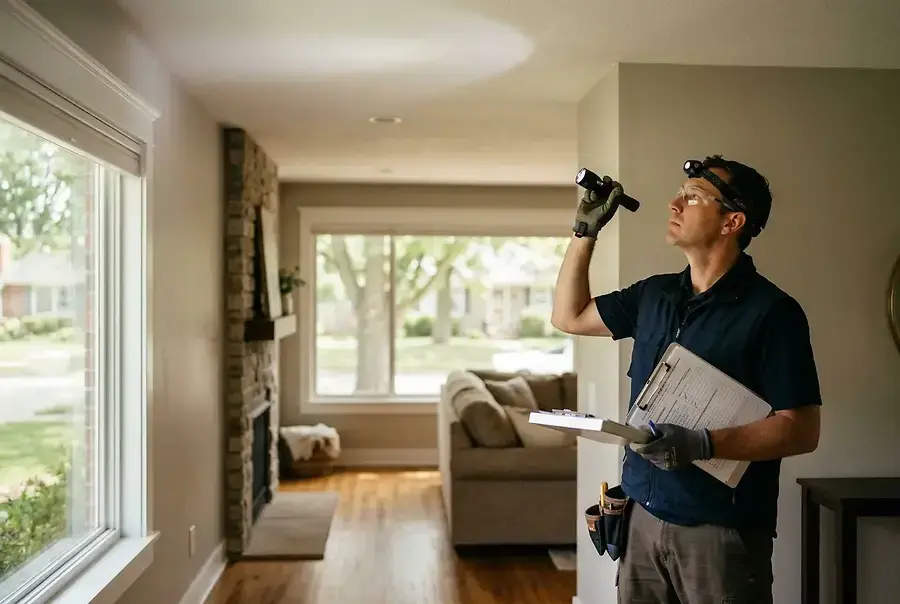
Why Home Inspections Matter in Indianapolis
Purchasing a home is one of the largest financial decisions you'll make in your lifetime. In Indianapolis's competitive real estate market, a professional home inspection is your most valuable tool for uncovering potential issues before you commit to the purchase. A thorough inspection protects you from costly surprises and gives you the leverage to negotiate repairs or price adjustments with the seller.
Home inspections are not just a formality—they're an essential step that can save you thousands of dollars in unexpected repairs. Whether you're buying a historic home in Fountain Square or a newer property in the suburbs, understanding what inspectors look for will help you make informed decisions about your investment.
What Inspectors Examine: Key Systems and Structural Elements
Foundation and Structural Integrity
Inspectors begin by evaluating the foundation, which is critical to your home's stability. They look for cracks, settling, water damage, and signs of structural movement. In Indianapolis, where soil conditions can vary, foundation issues are particularly important to assess. A solid foundation is the backbone of a safe, valuable home.
Roofing and Exterior
The roof protects everything beneath it, so inspectors examine shingles, flashing, gutters, and drainage systems. They assess the roof's age and remaining lifespan, which can significantly impact your maintenance budget. Exterior elements like siding, windows, doors, and grading are also evaluated to ensure they protect against water intrusion and weather damage.
Plumbing Systems
Inspectors test water pressure, check for leaks, and examine pipes for corrosion or damage. They verify that the water heater is functioning properly and assess its age. Older homes in Indianapolis may have outdated plumbing that requires upgrades, so understanding the condition of these systems is crucial.
Electrical Systems
A comprehensive electrical inspection includes checking the panel, outlets, switches, and wiring. Inspectors look for outdated systems, improper installations, and safety hazards. Homes with aluminum wiring or insufficient grounding may require attention from a licensed electrician.
HVAC and Climate Control
The heating, ventilation, and air conditioning systems are tested for proper operation and efficiency. Inspectors evaluate the furnace, air conditioner, ductwork, and thermostat. Given Indianapolis's temperature fluctuations, a well-functioning HVAC system is essential for comfort and energy efficiency.
Interior Elements
Inspectors examine walls, ceilings, floors, and insulation for damage, moisture, or pest issues. They check doors, windows, and built-in appliances. Attic and basement spaces receive special attention, as these areas often reveal hidden problems like mold, water damage, or inadequate ventilation.
Red Flags to Watch For and How to Interpret Inspection Reports
Major Red Flags
Certain findings should raise serious concerns and warrant further investigation:
- Foundation cracks or settling – These can indicate structural problems requiring expensive repairs
- Roof damage or age – A roof nearing the end of its lifespan may need replacement soon
- Water damage or mold – These issues can affect health and require professional remediation
- Electrical hazards – Outdated wiring or improper installations pose safety risks
- Plumbing leaks – Hidden leaks can lead to costly water damage over time
- HVAC system failure – Replacement costs can be substantial
Understanding Your Inspection Report
Home inspection reports typically categorize findings into three levels: major issues, minor issues, and maintenance recommendations. Major issues require immediate attention and can affect the home's safety or value. Minor issues are less urgent but should be addressed eventually. Maintenance recommendations help you plan for future upkeep.
Don't panic if your report includes some findings—most homes have minor issues. The key is understanding which problems are deal-breakers and which are manageable. Work with your real estate agent and a trusted contractor to prioritize repairs and estimate costs.
Using Inspection Results to Negotiate
Armed with your inspection report, you have several options:
- Request repairs – Ask the seller to fix major issues before closing
- Negotiate a price reduction – Reduce the offer price to account for repairs you'll handle
- Request a credit at closing – Receive funds to cover repairs after purchase
- Walk away – If issues are too severe, you may choose to find another property
The inspection contingency in your purchase agreement gives you the right to renegotiate or withdraw your offer based on findings. Use this leverage wisely to protect your investment.
Using Inspection Results to Negotiate and Finalize Your Purchase
After receiving your inspection report, take time to review it carefully with your real estate agent. Prioritize the findings based on safety, cost, and impact on the home's value. For major issues, obtain written quotes from licensed contractors to support your negotiation requests.
Be reasonable in your negotiations—sellers are more likely to cooperate if your requests are justified by the inspection findings. Focus on significant issues rather than minor cosmetic concerns. Once you've reached an agreement on repairs or credits, ensure everything is documented in writing before closing.
A professional home inspection is an investment in peace of mind. It empowers you to make informed decisions and protects your financial future as a homeowner.
By understanding what inspectors examine and how to interpret their findings, you're taking control of your home-buying journey in Indianapolis. Don't skip this critical step—your future self will thank you for the diligence and care you invest today.


