The Complete Home Inspection Guide for Indianapolis Homebuyers
What every homebuyer in Indianapolis needs to know before making an offer on a property.

Understanding the Indianapolis Home Inspection Process
Purchasing a home is one of the most significant investments you'll make in your lifetime. In Indianapolis, a professional home inspection is a critical step in the homebuying process that can save you thousands of dollars and prevent costly surprises down the road. Understanding how this process works is essential for every buyer.
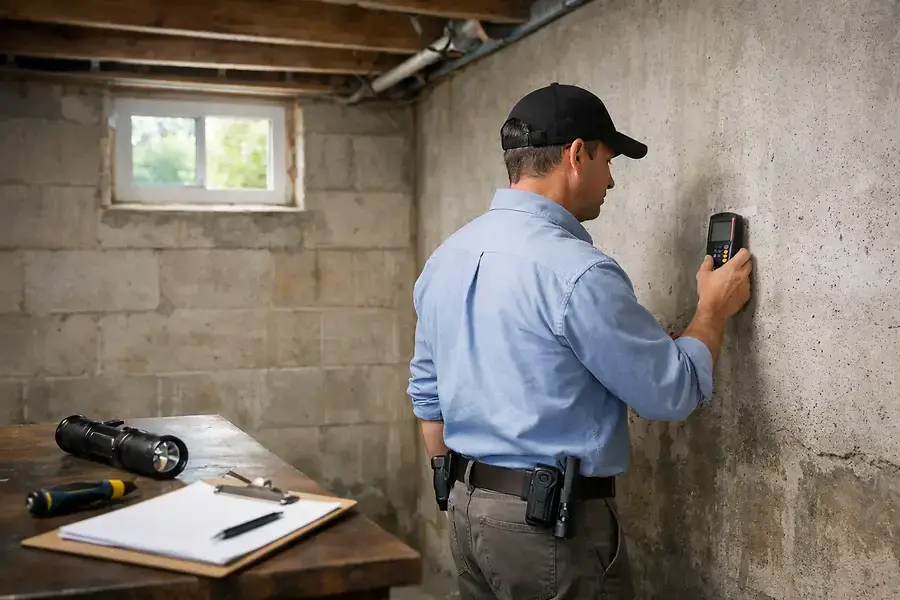
A home inspection typically takes two to four hours and involves a licensed inspector examining the property's structural components, systems, and overall condition. In Indianapolis, inspectors are regulated by the state, and most follow the Standards of Practice established by professional organizations. You have the right to be present during the inspection, and it's highly recommended that you attend to ask questions and gain firsthand knowledge about your potential home.
The inspection covers major systems including the roof, foundation, electrical system, plumbing, HVAC, and appliances. Inspectors will also assess the condition of walls, ceilings, floors, windows, doors, and exterior elements. After the inspection, you'll receive a detailed report within 24-48 hours that documents all findings.
Choosing the Right Inspector
Not all home inspectors are created equal. When selecting an inspector in the Indianapolis area, look for someone who is licensed, insured, and certified. Ask for references from recent clients and verify their credentials with the Indiana Professional Licensing Agency. A reputable inspector should have several years of experience and be willing to explain their findings in detail.
Critical Items Inspectors Look For in Central Indiana Homes
Central Indiana's climate and construction styles create specific concerns that inspectors prioritize when evaluating homes. Understanding these critical areas helps you know what to expect in your inspection report.
Foundation and Basement Issues
Indianapolis homes, particularly older properties, are susceptible to foundation problems due to soil composition and seasonal moisture changes. Inspectors carefully examine foundations for:
- Cracks in concrete or brick
- Water intrusion and moisture damage
- Efflorescence (white mineral deposits)
- Structural settling or bowing walls
Basement flooding is a common concern in the Indianapolis area, so inspectors will check for proper grading, drainage systems, and sump pump functionality.
Roof Condition and Age
The roof is one of your home's most important protective features. Inspectors evaluate shingle condition, flashing, gutters, and overall structural integrity. In Indianapolis, where weather can be unpredictable, a roof's age and remaining lifespan are crucial factors. Most asphalt shingle roofs last 15-20 years, and this information directly impacts your home's value and your future maintenance costs.
HVAC Systems
Heating and cooling systems are essential in Indiana's climate. Inspectors test furnaces, air conditioning units, and heat pumps to ensure they operate efficiently. They'll also check ductwork, thermostats, and ventilation systems. A failing HVAC system can cost $5,000-$10,000 to replace, making this a critical inspection point.
Electrical and Plumbing Systems
Outdated electrical systems, particularly in older Indianapolis homes, can be a safety hazard. Inspectors look for outdated wiring, insufficient outlets, and potential fire hazards. Similarly, plumbing inspections focus on water pressure, drainage, pipe material, and signs of leaks or corrosion. Older homes may have galvanized pipes that are prone to failure.
How to Interpret Your Inspection Report and Negotiate Repairs
Your inspection report will categorize findings into different severity levels. Understanding these categories helps you prioritize concerns and make informed decisions.
Report Categories Explained
Most inspection reports use categories such as:
- Safety Issues: Problems that pose immediate danger
- Major Repairs: Significant issues requiring professional attention
- Minor Repairs: Small fixes that don't affect functionality
- Maintenance Items: Routine upkeep recommendations
Focus your negotiation efforts on safety issues and major repairs rather than minor cosmetic concerns.
Negotiation Strategies
Once you have your inspection report, you have several options:
- Request repairs: Ask the seller to fix critical issues before closing
- Request credits: Negotiate a price reduction to cover repair costs yourself
- Walk away: If major issues exceed your comfort level or budget
- Accept as-is: Proceed without requesting changes
In Indianapolis's competitive market, sellers may be unwilling to make repairs, so requesting credits is often more successful. Always get written estimates from contractors for major repairs to support your negotiation position.
Working with Your Real Estate Agent
Your real estate agent can provide valuable guidance during negotiations. They understand local market conditions and what sellers typically accept. Don't negotiate alone—leverage your agent's expertise to achieve the best outcome for your situation.
Moving Forward: Next Steps After Your Home Inspection
After receiving your inspection report and completing negotiations, several important steps remain before closing day.
Final Walk-Through
Schedule a final walk-through 24 hours before closing to verify that agreed-upon repairs were completed satisfactorily. Check that all systems are functioning and that the property matches the condition documented in your inspection report.
Create a Maintenance Plan
Use your inspection report to create a long-term maintenance plan for your new home. Address items noted in the report systematically, prioritizing safety concerns and major systems. This proactive approach prevents small issues from becoming expensive problems.
Keep Documentation
Maintain copies of your inspection report, any repair receipts, and warranty information. This documentation is valuable for future reference, insurance claims, and when you eventually sell the property.
A thorough home inspection is your best defense against unexpected homeownership costs. By understanding the process, knowing what inspectors look for, and negotiating effectively, you'll make a confident, informed decision about your Indianapolis home purchase. Remember, the inspection fee is a small investment compared to the protection it provides for your largest financial asset.


