The Complete Home Inspection Guide for Iowa City Home Buyers
Protect your investment with this comprehensive checklist to identify potential issues before closing on your Iowa City property.

Why Home Inspections Matter in Iowa City's Real Estate Market
Purchasing a home is one of the most significant financial decisions you'll make in your lifetime. In Iowa City's competitive real estate market, a thorough home inspection is your best defense against costly surprises after closing. A professional home inspection provides an objective assessment of your potential property's condition, helping you make informed decisions and protect your investment.
Many first-time homebuyers underestimate the importance of inspections, viewing them as an optional expense. However, a comprehensive inspection can reveal hidden structural issues, aging systems, and maintenance problems that could cost thousands to repair. In Iowa City, where homes face unique climate challenges and seasonal weather patterns, inspections become even more critical.
Key reasons to prioritize home inspections:
- Identify safety hazards before they become emergencies
- Uncover deferred maintenance and repair costs
- Gain leverage for price negotiations
- Plan for future maintenance and budgeting
- Ensure compliance with local building codes
Essential Structural and Systems Components to Evaluate
Foundation and Structural Integrity
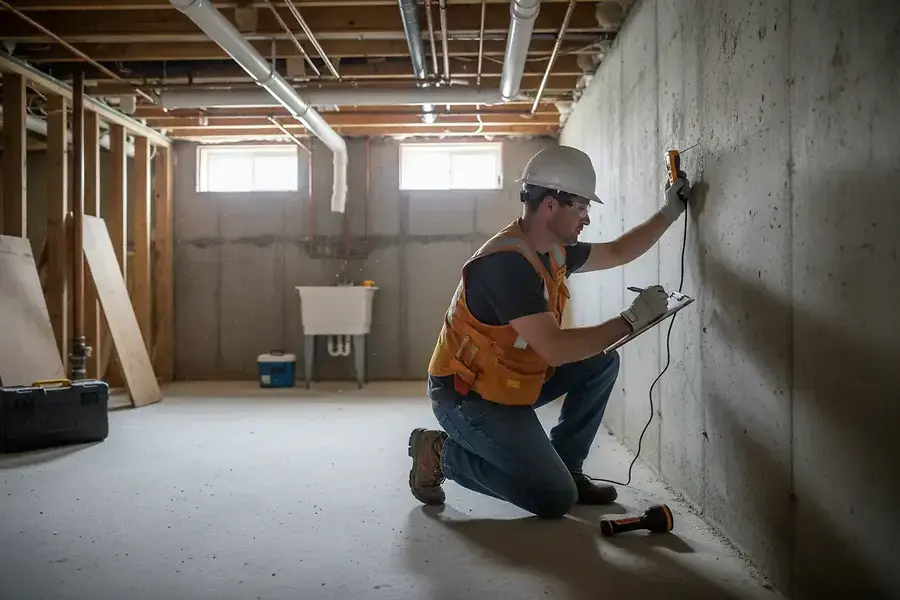
The foundation is your home's most critical component. Inspectors should examine the basement or crawl space for cracks, water damage, settling, and signs of moisture intrusion. Look for horizontal cracks, which are more concerning than vertical ones, as they may indicate serious structural problems. Efflorescence (white mineral deposits) and mold growth suggest water penetration issues that require immediate attention.
Roofing and Exterior
Your roof protects everything beneath it. Inspectors evaluate shingle condition, flashing integrity, gutters, and downspouts. In Iowa City, where weather can be harsh, check for missing or damaged shingles, rust spots, and proper drainage systems. The exterior should also be examined for siding damage, caulking gaps, and window seal integrity.
Plumbing Systems
Water damage is one of the most expensive problems homeowners face. Inspectors test water pressure, check for leaks under sinks and around toilets, and examine the water heater's age and condition. They'll also assess whether the home has galvanized pipes (which may need replacement) or modern copper/PVC piping. Don't overlook the sump pump in basements—it's essential for flood prevention.
Electrical Systems
A safe electrical system is non-negotiable. Inspectors verify that the panel is properly grounded, check outlet functionality, and identify any outdated wiring. Homes with aluminum wiring or insufficient grounding may require upgrades. Ensure there are adequate outlets and that the home meets current electrical codes.
HVAC and Climate Control
Heating and cooling systems are vital in Iowa City's climate. Inspectors evaluate furnace age, efficiency, and condition, along with air conditioning units. Ask about the system's maintenance history and expected lifespan. A 15-20 year old furnace may need replacement soon, which is a significant expense to budget for.
Common Iowa Climate-Related Issues and What to Look For
Water Intrusion and Basement Moisture
Iowa's precipitation and freeze-thaw cycles create ideal conditions for water problems. Check basements thoroughly for water stains, efflorescence, and musty odors. Ask the seller about any history of flooding or water damage. Proper grading around the foundation and functioning gutters are essential defenses against moisture.
Freeze-Thaw Damage
The region's temperature fluctuations cause concrete to crack and expand. Inspect driveways, patios, and foundation concrete for significant cracks. While minor cracks are normal, large or widening cracks may indicate serious problems requiring professional assessment.
Ice Damming Concerns
Winter ice dams can cause significant roof and water damage. Proper attic ventilation and insulation help prevent this issue. During your inspection, verify that the attic has adequate ventilation and that insulation levels meet current standards for Iowa's climate zone.
Soil Composition and Settling
Iowa's clay-heavy soil can shift seasonally, causing foundation settling. Look for cracks in walls, uneven floors, or doors that don't close properly—these may indicate settling issues. While some settling is normal in older homes, significant movement warrants a structural engineer's evaluation.
Radon Testing
Iowa has elevated radon levels in many areas. Radon testing is essential and should be included in your inspection. This colorless, odorless gas poses serious health risks. If elevated levels are found, mitigation systems can be installed relatively affordably.
Using Inspection Results to Negotiate and Finalize Your Purchase
Once you receive the inspection report, you have several options. Minor issues might be acceptable and factored into your offer price. Significant problems provide leverage to renegotiate the purchase price or request that the seller make repairs before closing.
Create a prioritized list of issues based on safety, cost, and urgency. Work with your real estate agent to determine which items are negotiable. Some sellers prefer to reduce the price rather than make repairs, allowing you to hire contractors of your choice.
Don't skip the final walkthrough before closing. Verify that any agreed-upon repairs were completed satisfactorily and that the home's condition hasn't changed since the inspection.
A thorough home inspection is your opportunity to make an informed decision about one of life's biggest purchases. By understanding what to look for and how to interpret findings, Iowa City home buyers can confidently move forward with their real estate transactions, knowing they've done their due diligence to protect their investment.


