The Complete Home Inspection Guide for Jacksonville Buyers
Learn what to look for during inspections to avoid costly surprises and make confident purchase decisions in Jacksonville's market.

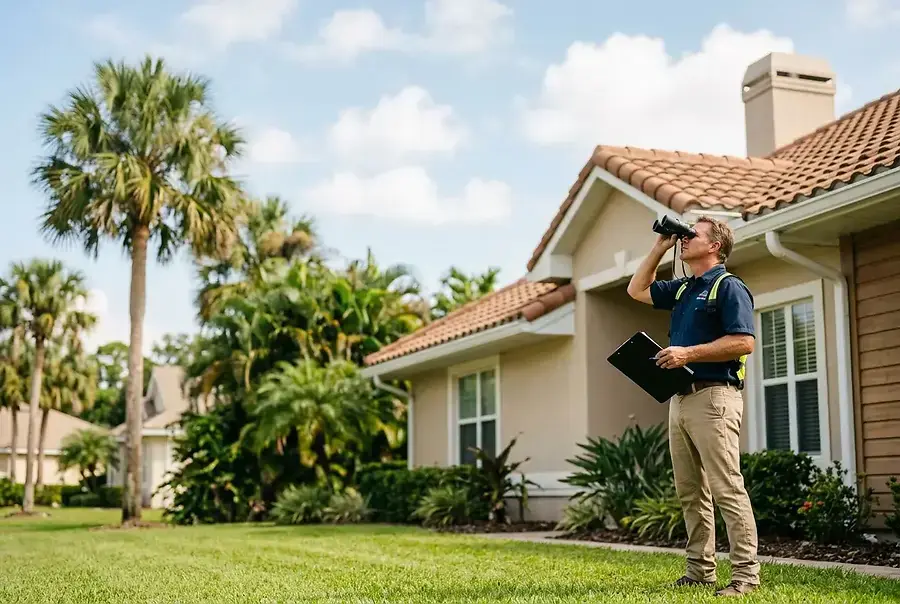
Why Home Inspections Matter in Jacksonville
Purchasing a home is one of the most significant financial decisions you'll make, and in Jacksonville's competitive real estate market, a thorough home inspection is your best defense against costly surprises. A professional home inspection provides an objective evaluation of a property's condition, identifying potential issues before you commit to the purchase.
Jacksonville's unique climate and environmental factors—including high humidity, salt air in coastal areas, and the risk of water damage—make inspections particularly crucial. What might seem like a minor issue during a walkthrough could develop into thousands of dollars in repairs if left unaddressed. An experienced inspector understands these regional challenges and knows exactly what to look for in Florida homes.
A home inspection protects your investment by giving you the information needed to make informed decisions, negotiate repairs, or request credits from the seller. It's not just about finding problems; it's about understanding the true condition of your potential new home.
Key Areas Inspectors Evaluate in Florida Homes
Roof and Exterior
Florida's intense sun and frequent storms make the roof one of the most critical components of any home. Inspectors examine shingles for damage, wear, and proper installation. They check for signs of leaks, missing flashing, and adequate ventilation. The exterior walls, siding, and foundation are also evaluated for cracks, water intrusion, and structural integrity.
Plumbing Systems
Water-related issues are common in Jacksonville homes due to the region's high water table and humidity. Inspectors test all fixtures, check for leaks under sinks and around toilets, and examine the main water line. They also assess the condition of pipes, looking for corrosion or outdated materials that may need replacement.
Electrical Systems
A thorough electrical inspection includes checking the panel, circuit breakers, outlets, and switches. Inspectors verify that the home meets current electrical codes and identify any safety hazards. Outdated wiring or overloaded circuits are common issues in older Jacksonville homes and should be addressed before purchase.
HVAC and Cooling Systems
In Florida's hot, humid climate, air conditioning isn't a luxury—it's essential. Inspectors evaluate the age and condition of the AC unit, check refrigerant levels, and assess the ductwork. They also examine the heating system if present and verify that all systems are functioning properly.
Foundation and Structural Elements
Florida's sandy soil and moisture conditions can affect foundations over time. Inspectors look for cracks, settling, and signs of water damage. They examine support beams, floor joists, and other structural components to ensure the home's integrity.
Attic and Insulation
Proper insulation and ventilation are critical in Florida's climate. Inspectors check for adequate insulation, proper ventilation to prevent moisture buildup, and signs of pest damage or water intrusion in the attic space.
Red Flags and How to Respond to Inspection Findings
Understanding the Inspection Report
After the inspection, you'll receive a detailed report categorizing findings by severity. Major issues require immediate attention and can significantly impact the home's value. Minor issues are typically cosmetic or involve routine maintenance. Understanding this distinction helps you prioritize your concerns.
Common Red Flags in Jacksonville Homes
- Water damage and mold: Look for discoloration, soft spots, or musty odors indicating moisture problems
- Roof damage: Missing shingles, sagging, or signs of leaks suggest costly repairs ahead
- Outdated electrical systems: Aluminum wiring or insufficient panel capacity poses safety risks
- Foundation cracks: Large or expanding cracks may indicate structural problems
- Aging HVAC systems: Units over 15 years old may need replacement soon
- Pest damage: Evidence of termites or other pests can compromise structural integrity
Negotiation Strategies
Once you have the inspection report, you have several options. Request repairs: Ask the seller to fix major issues before closing. Request credits: Negotiate a reduction in the purchase price to cover repair costs. Walk away: If issues are too extensive, you may decide the property isn't worth the investment.
In Jacksonville's market, sellers often expect inspection-based negotiations. Come prepared with repair estimates from licensed contractors to support your requests. Be reasonable in your demands—focusing on structural, safety, and major system issues rather than minor cosmetic concerns.
When to Get a Second Opinion
If the inspection reveals significant issues, consider hiring a specialist. A structural engineer can assess foundation problems, a plumber can evaluate complex plumbing issues, and an electrician can review electrical concerns. These additional inspections provide detailed information for negotiation and help you understand long-term costs.
Using Inspection Results to Negotiate and Close Successfully
The inspection report is your negotiating tool. Document everything: Keep copies of the inspection report, repair estimates, and all correspondence with the seller. Be strategic: Prioritize requests based on safety, functionality, and cost. Sellers are more likely to agree to essential repairs than cosmetic improvements.
Remember that inspection contingencies protect you. Most purchase agreements include a period for inspections and negotiations. Use this time wisely to gather information, obtain estimates, and make informed decisions about your offer.
As you move toward closing, verify that any agreed-upon repairs have been completed satisfactorily. Request receipts and warranties for work performed. A final walkthrough before closing allows you to confirm the home's condition matches the inspection findings and any negotiated repairs.
A successful home purchase in Jacksonville starts with a comprehensive inspection. By understanding what inspectors evaluate, recognizing red flags, and using inspection results strategically, you can avoid costly surprises and make confident decisions in this dynamic real estate market. Take the time to invest in a thorough inspection—it's one of the best decisions you can make as a homebuyer.


