The Complete Home Inspection Guide for Kansas City Homebuyers
Master the critical steps to protect your investment and avoid costly surprises in your Kansas City home purchase.

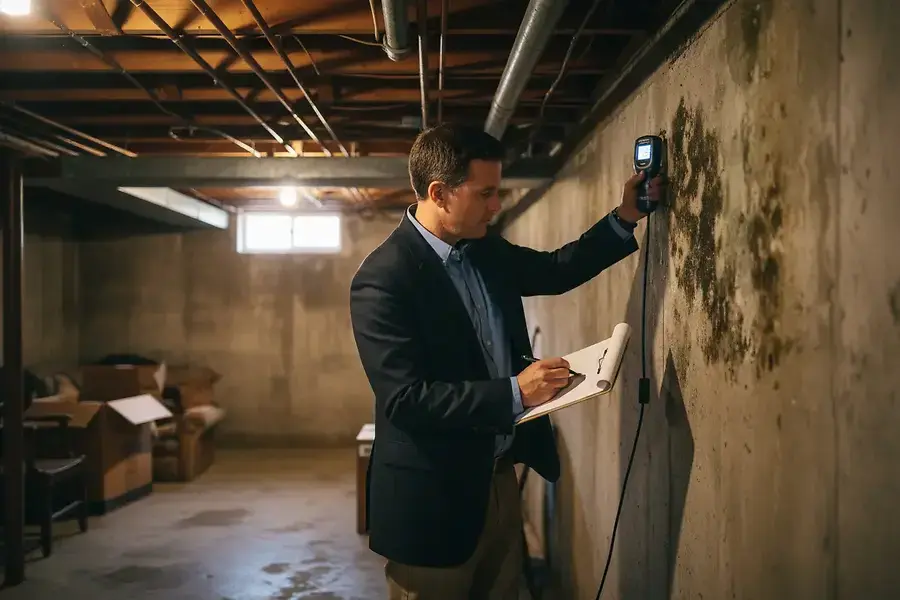
Why Home Inspections Matter: What Kansas City Buyers Must Know
Purchasing a home is one of the most significant financial decisions you'll make in your lifetime. In Kansas City's competitive real estate market, a professional home inspection is your safeguard against inheriting costly problems. Many first-time homebuyers underestimate the importance of this critical step, viewing it as an optional expense rather than essential protection.
A comprehensive home inspection provides an unbiased, detailed assessment of your potential property's condition. This inspection can reveal hidden issues that could cost thousands of dollars to repair, from structural problems to failing systems. In Kansas City, where homes range from historic properties to newer constructions, inspections help identify age-related wear and regional concerns specific to the area.
Beyond financial protection, inspections give you peace of mind. You'll understand exactly what you're buying and can make informed decisions about your investment. Whether you're purchasing a charming Midtown bungalow or a suburban family home, knowing the property's true condition empowers you to negotiate confidently.
Key Areas Inspectors Evaluate in Kansas City Homes
Structural Integrity and Foundation
Kansas City's clay-heavy soil can cause foundation issues over time. Inspectors examine foundations for cracks, settling, and water damage. They assess basement walls, crawl spaces, and structural supports to ensure your home's bones are sound. This is particularly important in older Kansas City neighborhoods where foundation problems are more common.
Roofing and Exterior Systems
The roof is your home's first line of defense against Kansas City's variable weather. Inspectors evaluate:
- Roof age and remaining lifespan
- Shingle condition and potential leaks
- Gutters, downspouts, and drainage systems
- Siding, windows, and exterior caulking
- Chimney condition and flashing
Proper drainage is essential in Kansas City, where heavy rains can lead to water intrusion and basement flooding.
HVAC and Mechanical Systems
Heating and cooling systems are vital in Kansas City's climate, with hot summers and cold winters. Inspectors test furnaces, air conditioning units, and heat pumps to ensure they operate efficiently. They also evaluate ductwork, thermostats, and ventilation systems that keep your home comfortable year-round.
Plumbing and Water Systems
Water quality and plumbing integrity are crucial concerns. Inspectors check:
- Water pressure and flow rates
- Pipe materials and condition
- Water heater age and functionality
- Septic systems or municipal connections
- Signs of leaks or water damage
Electrical Systems
Electrical safety is non-negotiable. Inspectors examine the main panel, wiring, outlets, and switches. They identify outdated systems, code violations, and potential fire hazards. Older Kansas City homes may have outdated electrical systems that need upgrading for modern living.
Interior Conditions
Inspectors evaluate interior spaces for:
- Drywall and plaster condition
- Flooring integrity and damage
- Door and window operation
- Insulation and ventilation
- Signs of pest infestation or mold
Red Flags and How to Negotiate After Inspection Results
Major Red Flags to Address
Certain inspection findings warrant serious attention and negotiation:
- Foundation cracks or settling – Can indicate structural problems requiring expensive repairs
- Roof damage or age – Replacement costs can exceed $10,000
- Outdated electrical systems – May require complete rewiring
- Plumbing issues – Corroded pipes or failed water heaters need immediate attention
- Mold or water damage – Indicates moisture problems that can affect health and structure
- HVAC system failure – Replacement is a significant expense
Negotiation Strategies
After receiving inspection results, you have several options. Request repairs from the seller for major issues, or ask for a credit toward closing costs to handle repairs yourself. Some buyers negotiate a price reduction based on inspection findings.
Document everything – Keep detailed inspection reports and get repair estimates from licensed contractors. This documentation strengthens your negotiating position. In Kansas City's market, sellers often expect some negotiation after inspections, so don't hesitate to advocate for necessary repairs or credits.
Be strategic about which issues to prioritize. Focus on major structural, safety, and system concerns rather than cosmetic issues. This approach keeps negotiations reasonable while protecting your investment.
Closing Strong: Using Inspection Findings to Finalize Your Deal
Final Walk-Through Inspection
Before closing, conduct a final walk-through to verify that agreed-upon repairs were completed properly. Confirm that the property matches the condition documented in your inspection report. This is your last opportunity to identify any new issues or incomplete work.
Obtaining Warranties and Documentation
Request documentation for all repairs completed by the seller. Ask for warranties on new systems and appliances. Keep these records for future reference and potential insurance claims. Many Kansas City homeowners find this documentation invaluable for maintenance planning.
Planning Your Maintenance Strategy
Use inspection findings to develop a maintenance plan for your new home. Prioritize repairs and upgrades based on urgency and budget. Address critical issues immediately, then plan for larger projects over time. This proactive approach prevents small problems from becoming expensive disasters.
Consider scheduling follow-up inspections for specific systems, especially if the inspector noted concerns that require monitoring. Regular maintenance based on inspection recommendations will extend your home's lifespan and protect your investment.
Moving Forward with Confidence
A thorough home inspection transforms the buying process from uncertain to empowering. You're not just purchasing a property – you're making an informed investment in your family's future. By understanding what inspectors evaluate, recognizing red flags, and negotiating effectively, you protect yourself from costly surprises and ensure your Kansas City home serves you well for years to come.
Remember, the inspection fee is a small price compared to the potential savings and peace of mind it provides. Invest in this critical step and close your deal with confidence.


