The Complete Home Inspection Guide for Kapaa Property Buyers
Discover what every property inspection reveals and how to protect your investment in Kapaa's competitive real estate market.

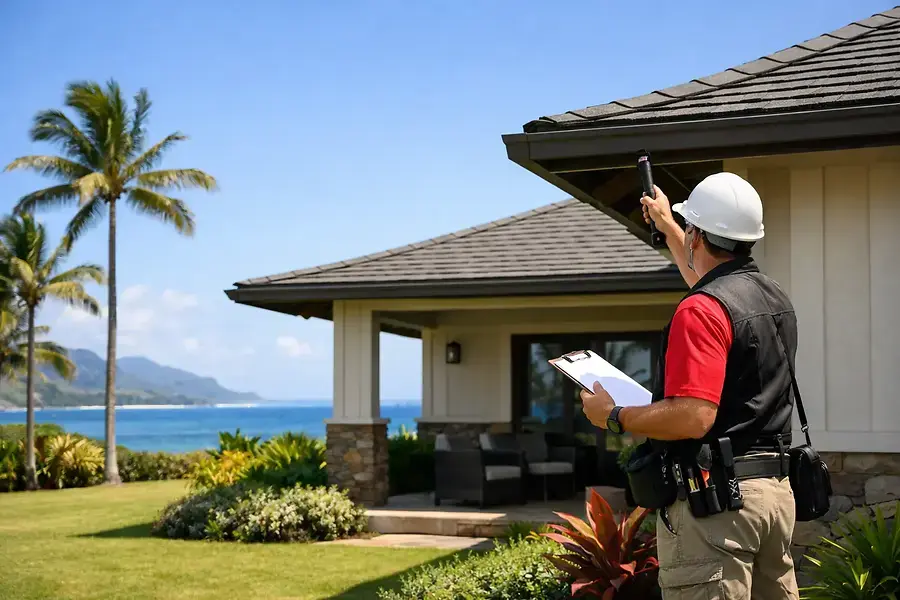
Why Home Inspections Matter in Kapaa
Purchasing a home in Kapaa is one of the most significant investments you'll make in your lifetime. The tropical climate, beautiful oceanfront properties, and competitive real estate market make it essential to understand exactly what you're buying. A professional home inspection is your safeguard against costly surprises and hidden defects that could drain your finances long after closing day.
In Kapaa's unique environment, homes face distinct challenges that mainland properties rarely encounter. Salt air corrosion, moisture damage, and tropical weather conditions can compromise structural integrity in ways that aren't immediately visible to the untrained eye. A thorough inspection protects your investment and gives you the knowledge needed to negotiate effectively with sellers.
Whether you're a first-time buyer or an experienced investor, understanding the inspection process empowers you to make confident decisions. Don't let the excitement of finding your dream home cloud your judgment—let the facts revealed by a professional inspection guide your choice.
Key Areas Inspectors Examine in Hawaiian Homes
Structural Integrity and Foundation
Inspectors begin by evaluating the home's foundation and overall structural soundness. In Kapaa, this includes checking for:
- Foundation cracks and settling issues
- Termite and pest damage
- Water intrusion and moisture problems
- Proper drainage around the property
The volcanic soil common in Kauai can shift over time, making foundation assessments particularly important. A solid foundation is the backbone of any home's longevity.
Roofing and Weather Protection
Kapaa's tropical climate demands special attention to roofing systems. Inspectors examine:
- Roof condition and remaining lifespan
- Proper ventilation and insulation
- Flashing around chimneys and vents
- Evidence of leaks or water damage
- Gutter and downspout functionality
Heavy rainfall and salt spray can deteriorate roofing materials faster than in mainland climates. A compromised roof can lead to interior water damage that affects walls, ceilings, and structural components.
Plumbing Systems
Water systems in Kapaa homes require careful inspection due to the island's mineral-rich water and corrosive salt air. Inspectors check:
- Pipe material and condition (copper, PVC, or galvanized)
- Water pressure and flow rates
- Septic systems or municipal connections
- Hot water heater age and functionality
- Signs of leaks or corrosion
Corroded pipes are a common issue in Hawaiian properties and can be expensive to replace. Understanding the plumbing system's condition helps you budget for future repairs.
Electrical Systems
Electrical safety is paramount in any home. Inspectors evaluate:
- Panel condition and capacity
- Proper grounding and bonding
- Outlet and switch functionality
- Presence of GFCI outlets in wet areas
- Compliance with current electrical codes
Older Kapaa homes may have outdated electrical systems that don't meet modern safety standards or power demands. Upgrading electrical infrastructure can be costly, so knowing the current state is crucial.
HVAC and Climate Control
While Kapaa's climate is generally warm, proper ventilation and cooling systems are essential for comfort and mold prevention. Inspectors assess:
- Air conditioning unit age and efficiency
- Ventilation adequacy throughout the home
- Ductwork condition and cleanliness
- Humidity control capabilities
Common Issues Found in Kapaa Properties and How to Address Them
Salt Air Corrosion
One of the most prevalent issues in Kapaa is corrosion caused by salt spray from the ocean. This affects metal fixtures, railings, and exterior components. Regular maintenance and protective coatings can slow corrosion, but replacement may eventually be necessary. Budget for periodic updates to metal components, especially those closest to the coast.
Moisture and Mold Damage
Kapaa's humid tropical climate creates ideal conditions for mold growth. Inspectors look for:
- Visible mold or mildew on surfaces
- Musty odors indicating hidden moisture
- Water stains on ceilings and walls
- Soft or deteriorating wood
Addressing moisture issues promptly prevents structural damage and health concerns. Improved ventilation, dehumidifiers, and proper drainage can mitigate these problems.
Roof Leaks and Water Intrusion
Heavy tropical rains can expose even minor roof defects. If your inspection reveals leaks, prioritize repairs immediately. Water intrusion leads to cascading damage affecting insulation, framing, and interior finishes. A new roof is a significant expense, but it's essential for protecting your investment.
Termite and Pest Damage
Hawaii's warm climate supports thriving termite populations. A thorough inspection includes a termite assessment. If damage is found, professional treatment and repairs are necessary. Some sellers may cover treatment costs, making this a negotiation point during the purchase process.
Aging Plumbing Infrastructure
Older homes in Kapaa may have galvanized pipes that have corroded significantly. While replacement is expensive, it prevents future leaks and water quality issues. Understanding the plumbing system's age and condition helps you plan for this major expense.
Making Informed Decisions Before You Buy
A professional home inspection is an investment in your peace of mind and financial security. Use the inspection report to:
- Negotiate repairs or credits with the seller for significant issues
- Plan your budget for necessary repairs and maintenance
- Understand the home's true condition and remaining useful life of major systems
- Make an informed decision about whether to proceed with the purchase
Don't skip the inspection to save money or speed up the process. The few hundred dollars spent on a thorough inspection can save you thousands in unexpected repairs. In Kapaa's competitive market, a detailed inspection report also provides leverage in negotiations.
Work with a qualified inspector who understands Hawaiian properties and the unique challenges they face. Ask about their experience with Kapaa homes specifically, and request a detailed written report that you can review carefully.
Your home inspection is your opportunity to ask questions, understand the property thoroughly, and make a decision based on facts rather than emotions. Take advantage of this critical step in the home-buying process to protect your investment and ensure your new Kapaa home is everything you hope it will be.


