The Complete Home Inspection Guide for Kirkland Homebuyers and Sellers
Discover the critical inspection points that protect your investment and reveal hidden issues before closing.

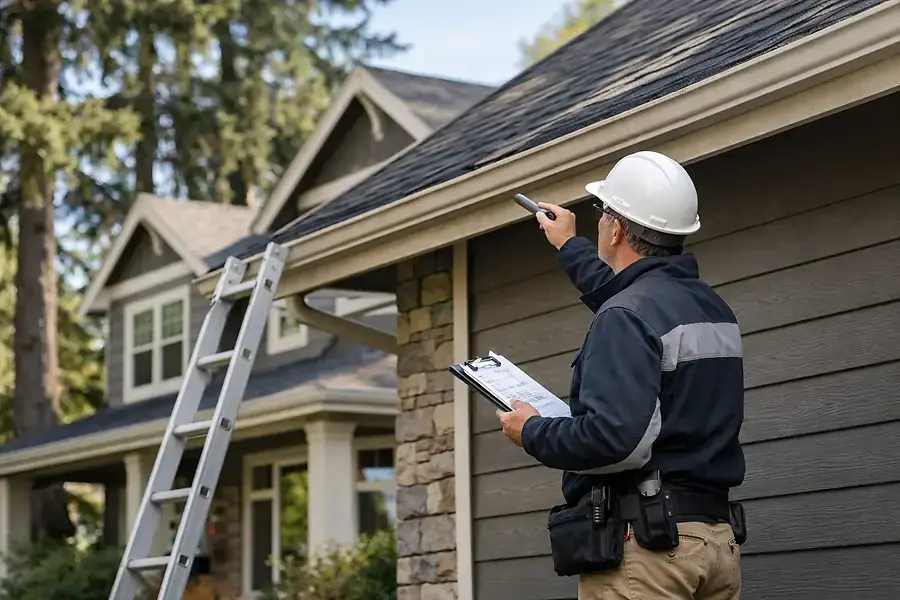
Why Home Inspections Matter in Kirkland's Competitive Market
In Kirkland's fast-paced real estate market, home inspections serve as your financial safeguard and decision-making tool. Whether you're a first-time homebuyer or an experienced seller, understanding what inspectors examine can mean the difference between a sound investment and costly surprises down the road.
A professional home inspection provides an objective, detailed assessment of a property's condition. This comprehensive evaluation covers everything from the foundation to the roof, identifying issues that might not be visible during a casual walkthrough. For buyers, this knowledge empowers you to negotiate repairs or price adjustments. For sellers, addressing problems proactively can streamline the sale process and build buyer confidence.
Kirkland's unique climate and aging housing stock make inspections particularly valuable. Many homes in the area face specific challenges related to moisture, foundation settling, and aging systems that require expert evaluation.
Key Areas Inspectors Examine: Structural, Systems, and Environmental Concerns
Structural Components
Inspectors begin by evaluating the home's foundation and structural integrity. They look for:
- Foundation cracks – Minor settling cracks are normal, but significant fractures or horizontal cracks indicate serious problems
- Basement moisture – Water intrusion, efflorescence, and dampness suggest drainage or waterproofing issues
- Crawl space conditions – Proper ventilation and absence of pest damage are critical
- Framing and support beams – Signs of rot, insect damage, or improper repairs
Mechanical and Electrical Systems
The home's vital systems receive thorough scrutiny during inspection:
- HVAC systems – Age, maintenance history, and operational efficiency
- Plumbing – Water pressure, drainage, pipe materials, and signs of leaks
- Electrical panel – Proper grounding, outdated components, and safety concerns
- Water heater – Age, capacity, and condition
- Roof condition – Shingle integrity, flashing, gutters, and remaining lifespan
Environmental and Safety Concerns
Modern inspectors also assess environmental factors that affect health and safety:
- Asbestos and lead paint – Common in older Kirkland homes built before regulations changed
- Mold and mildew – Particularly relevant in our damp climate
- Radon levels – A colorless, odorless gas that poses health risks
- Carbon monoxide detectors – Proper installation and functionality
- Pest damage – Evidence of termites, rodents, or other infestations
Red Flags to Address Before Making an Offer or Negotiating Repairs
Critical Issues That Require Immediate Attention
Foundation problems represent one of the most serious red flags. Horizontal cracks, significant settling, or water intrusion in basements can cost $10,000 to $50,000+ to repair. If you encounter these issues, consider having a structural engineer provide a second opinion before proceeding.
Roof damage or age is another major concern. A roof nearing the end of its lifespan (typically 20-25 years) will need replacement soon, a substantial expense. Missing shingles, active leaks, or deteriorated flashing warrant professional evaluation.
Electrical hazards should never be ignored. Outdated wiring, improper grounding, or an overloaded panel creates fire risks. Knob-and-tube wiring or aluminum wiring in older homes often requires replacement.
Moderate Issues Worth Negotiating
Some problems don't require deal-breakers but deserve attention:
- Plumbing issues like slow drains or minor leaks
- HVAC systems that function but are aging
- Cosmetic damage to siding, decking, or interior finishes
- Missing or non-functional safety devices
For these items, buyers can request repairs, credits, or price reductions. Sellers should consider addressing these proactively to avoid negotiation delays.
Minor Issues to Document
Not everything requires action. Minor caulking gaps, small cosmetic issues, or normal wear and tear are expected in any home. However, documenting these items helps establish the property's baseline condition.
Making Informed Decisions with Professional Inspection Guidance
A thorough home inspection is an investment in peace of mind. For buyers, the typical inspection cost ($300-$500) is minimal compared to the potential savings from identifying major issues. For sellers, a pre-listing inspection ($400-$600) can prevent surprises and demonstrate transparency to potential buyers.
Choose a qualified inspector with proper licensing, insurance, and experience in the Kirkland area. Look for inspectors who are members of professional organizations and have strong references.
Attend the inspection if possible. This allows you to ask questions, understand the property's systems, and see issues firsthand. Many inspectors provide detailed written reports with photos and recommendations.
Don't skip specialized inspections when warranted. If the general inspection reveals concerns about asbestos, mold, radon, or pest damage, hire specialists to investigate further.
Home inspections are not about finding reasons to walk away from a property—they're about making informed decisions. Every home has some issues; the key is understanding what you're buying and planning accordingly. With professional guidance and thorough evaluation, you can confidently move forward in Kirkland's real estate market.


