The Complete Home Inspection Guide for Knoxville Homebuyers
Discover the critical areas to evaluate before purchasing your Knoxville home and protect your investment from costly surprises.

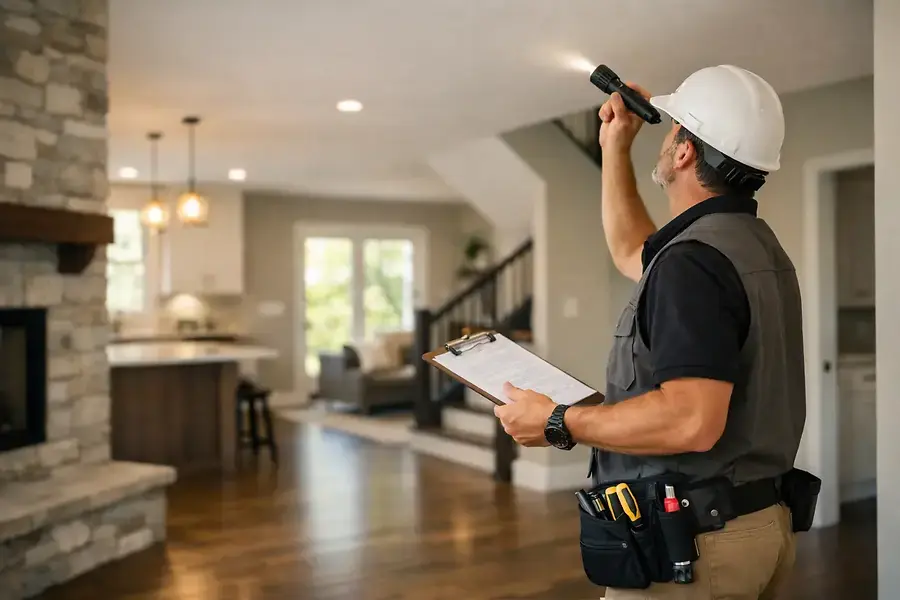
Understanding the Home Inspection Process
Purchasing a home is one of the most significant investments you'll make in your lifetime. In Knoxville, where the real estate market is competitive and diverse, a thorough home inspection is your best defense against unexpected repairs and costly surprises. A professional home inspection typically takes two to three hours and involves a detailed examination of the property's structural components, systems, and overall condition.
During the inspection, a certified inspector will evaluate everything from the foundation to the roof, checking electrical systems, plumbing, HVAC units, and more. It's crucial to attend the inspection in person so you can ask questions and understand the property's condition firsthand. This hands-on approach gives you valuable insights that a written report alone cannot provide.
What to Expect During Your Inspection
A professional home inspector will examine:
- Structural integrity and foundation
- Roof condition and age
- Electrical systems and safety
- Plumbing and water systems
- HVAC systems and heating/cooling efficiency
- Insulation and ventilation
- Windows, doors, and weatherproofing
- Interior and exterior walls
The inspector will provide a detailed report documenting their findings, including photographs and recommendations for repairs or maintenance.
Critical Areas to Evaluate in Your Inspection
Foundation and Structural Components
The foundation is the backbone of your home. Look for cracks, settling, or water damage that could indicate serious structural issues. In Knoxville, where soil conditions vary, foundation problems can be particularly important to address early. Pay special attention to basement walls and crawl spaces for signs of moisture or deterioration.
Roof and Exterior
The roof protects everything beneath it. Inspect for missing shingles, curling, granule loss, and signs of aging. A roof replacement can cost thousands of dollars, so understanding its remaining lifespan is essential. Also examine gutters, downspouts, and exterior cladding for proper drainage and water management.
HVAC Systems
Heating and cooling systems are vital for comfort and energy efficiency. Ask the inspector about the age of the furnace and air conditioning unit, their maintenance history, and expected remaining lifespan. Newer systems may indicate lower future repair costs, while older units might require replacement soon.
Plumbing and Water Systems
Check for water pressure, drainage issues, and the type of pipes used throughout the home. Older homes may have outdated plumbing materials that could require replacement. Look for signs of leaks, corrosion, or water damage in bathrooms and kitchens.
Electrical Systems
Ensure the electrical panel is properly grounded and that the home has adequate capacity for modern appliances. Outdated wiring or insufficient outlets can be safety hazards and costly to upgrade. The inspector should verify that all outlets are properly grounded and functioning safely.
Red Flags and When to Renegotiate
Major Concerns That Require Action
Certain findings should prompt serious consideration about renegotiating the purchase price or requesting repairs:
- Foundation cracks or settling – Can indicate structural problems requiring professional assessment
- Roof damage or age – Replacement costs can exceed $10,000 or more
- Mold or water intrusion – Poses health risks and indicates moisture management issues
- Outdated electrical systems – May not meet current safety codes
- Failing HVAC systems – Replacement is expensive and necessary for comfort
- Plumbing issues – Including low water pressure or sewage problems
Negotiation Strategies
Once you receive the inspection report, you have several options. You can request the seller make repairs before closing, ask for a price reduction to cover repairs yourself, or request an escrow account for specific items. In Knoxville's market, sellers may be more willing to negotiate on significant issues, especially if the home has been on the market for a while.
Pro Tip: Obtain repair estimates from licensed contractors for major issues. This gives you concrete numbers to use during negotiations and helps you understand the true cost of repairs.
Minor Issues vs. Major Concerns
Not every finding requires renegotiation. Minor issues like loose cabinet handles, caulking needs, or cosmetic damage are typically the buyer's responsibility. Focus your negotiation efforts on structural, safety, and system-related issues that significantly impact the home's value and livability.
Moving Forward with Confidence
Using Your Inspection Report Wisely
Your inspection report is a powerful tool. Use it to make an informed decision about whether to proceed with the purchase, request repairs, or walk away. Don't let emotions override the facts presented in the report. A thorough inspection protects your investment and gives you peace of mind.
Post-Purchase Maintenance
After closing, use the inspection report as a maintenance guide. Address recommended repairs promptly to prevent small issues from becoming major problems. Regular maintenance extends the life of your home's systems and helps you avoid costly emergency repairs.
Final Thoughts
A professional home inspection is one of the best investments you can make when buying a Knoxville home. It provides clarity, protects your financial interests, and helps you make confident decisions about one of life's biggest purchases. Don't skip this critical step, and always work with a certified, experienced inspector who understands the unique characteristics of homes in the Knoxville area.
By thoroughly evaluating your potential home and understanding what the inspection reveals, you're taking control of your homebuying journey and setting yourself up for success.


