The Complete Home Inspection Guide for Las Vegas Homebuyers
Protect your investment by understanding what inspectors look for in the Nevada desert climate.

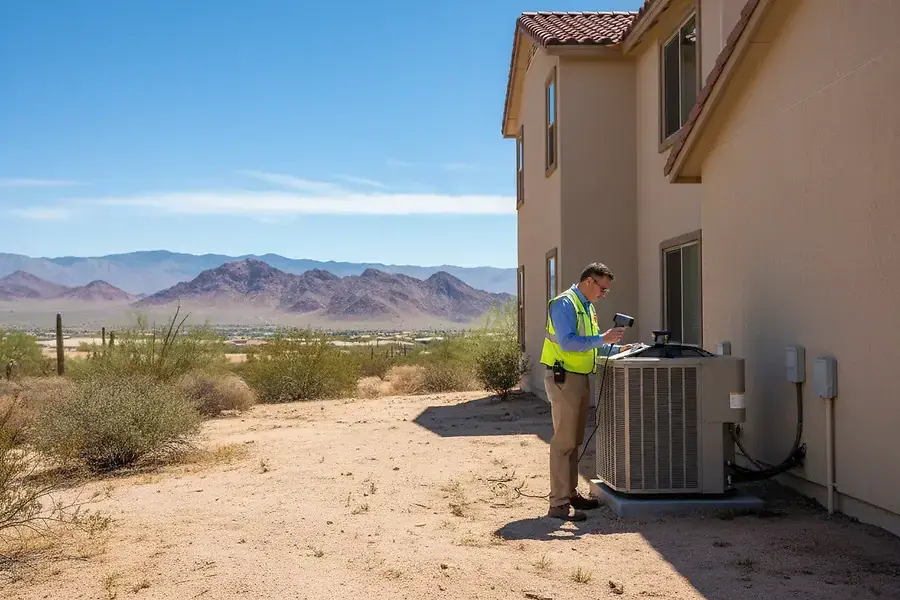
Why Home Inspections Matter in Las Vegas
Purchasing a home in Las Vegas is one of the most significant investments you'll make, and a professional home inspection is your best defense against costly surprises. Unlike other regions, Las Vegas presents unique challenges due to its desert climate, intense heat, and specific environmental factors that can affect property conditions.
A comprehensive home inspection provides you with an independent, professional assessment of your potential property's structural integrity, mechanical systems, and overall condition. This detailed report becomes your roadmap for understanding what you're actually buying and helps you make informed decisions before committing to such a substantial financial obligation.
In Las Vegas, where properties can experience extreme temperature fluctuations and intense sun exposure, inspections are particularly crucial. They help identify issues that might not be immediately visible but could lead to expensive repairs down the road.
Climate-Specific Issues: AC Systems, Dust, and Foundation Concerns
Air Conditioning Systems
The most critical system in any Las Vegas home is the air conditioning unit. With summer temperatures regularly exceeding 110 degrees Fahrenheit, a malfunctioning AC system isn't just an inconvenience—it's a serious problem. Inspectors will thoroughly evaluate:
- The age and condition of the AC unit
- Refrigerant levels and potential leaks
- Compressor functionality and efficiency
- Ductwork integrity and proper insulation
- Thermostat calibration and responsiveness
Replacement costs for AC systems can range from $5,000 to $15,000, making this assessment one of the most important parts of your inspection.
Dust and Air Quality Issues
The desert environment brings unique dust challenges that affect both indoor air quality and mechanical systems. Inspectors look for:
- Proper sealing around windows and doors to prevent dust infiltration
- Condition of air filters and HVAC maintenance history
- Evidence of dust accumulation in attics and crawl spaces
- Quality of weatherstripping and caulking
Excessive dust can reduce AC efficiency and increase energy costs significantly, so addressing these issues early is essential.
Foundation and Structural Concerns
Las Vegas soil composition and the extreme heat create unique foundation challenges. The desert's expansive clay soils can shift with temperature changes, potentially causing foundation movement. Inspectors will examine:
- Visible cracks in foundation walls or slabs
- Uneven floors or doors that don't close properly
- Water damage or moisture intrusion in basements or crawl spaces
- Proper grading around the foundation to ensure water drainage
- Evidence of previous foundation repairs or settling
Foundation issues can be expensive to repair, sometimes costing $10,000 or more, making early detection crucial.
What to Expect During the Inspection Process
Pre-Inspection Preparation
Before your inspector arrives, ensure the property is accessible. The inspector will need access to all areas including the attic, crawl spaces, basement, and exterior. Make sure utilities are on so systems can be tested properly.
The Inspection Timeline
A thorough home inspection typically takes 2-4 hours, depending on the property's size and age. The inspector will systematically evaluate:
- Exterior: Roof condition, siding, gutters, landscaping, and grading
- Roof: Shingles, flashing, ventilation, and overall integrity
- Interior: Walls, ceilings, flooring, and visible structural elements
- Plumbing: Water pressure, drainage, fixtures, and water heater condition
- Electrical: Panel condition, outlet safety, and code compliance
- HVAC: Heating and cooling systems, ductwork, and thermostat
- Appliances: Functionality of included appliances
Your Role During the Inspection
You're encouraged to walk through the inspection with the professional. This is your opportunity to ask questions, understand the property better, and learn about maintenance requirements. Take notes on any concerns the inspector mentions.
Using Inspection Reports to Negotiate Better Offers
Understanding the Report
After the inspection, you'll receive a detailed report categorizing findings by severity. Most reports use categories like:
- Critical Issues: Safety hazards or major system failures requiring immediate attention
- Major Issues: Significant problems that will likely need repair soon
- Minor Issues: Small problems or maintenance recommendations
Negotiation Strategies
Armed with your inspection report, you have several negotiation options:
- Request repairs: Ask the seller to fix critical and major issues before closing
- Request credits: Negotiate a price reduction to cover repair costs yourself
- Request inspections: Ask for specialized inspections on major systems like the foundation or AC
- Walk away: If issues are too extensive, you can terminate the purchase
Remember: In Las Vegas's competitive real estate market, inspection contingencies protect your interests and give you leverage to negotiate more favorable terms.
Next Steps After Negotiation
Once you've negotiated repairs or credits, ensure the seller provides documentation of any work completed. For items you're handling yourself, get multiple quotes from licensed contractors and verify their credentials with the Nevada State Contractors Board.
A thorough home inspection is an investment in your peace of mind and financial security. By understanding what inspectors look for and how to use their findings, you'll be better equipped to make smart decisions about your Las Vegas home purchase and protect your investment for years to come.


