The Complete Home Inspection Guide for Little Rock Homebuyers
What to look for during a home inspection to protect your investment in Little Rock's residential market.

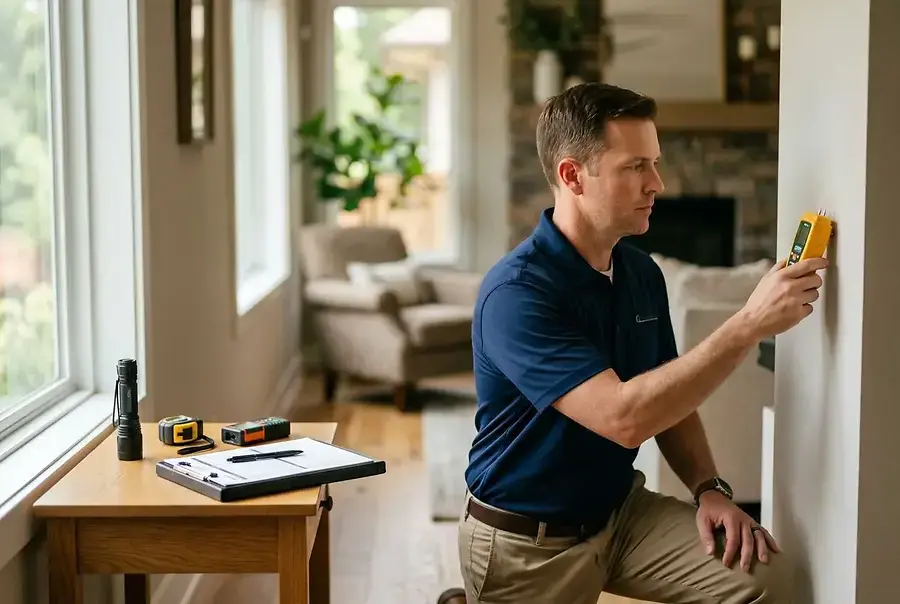
Understanding the Home Inspection Process
A home inspection is one of the most critical steps in the homebuying process. This thorough evaluation of a property's condition gives you valuable insight into what you're actually purchasing. In Little Rock's competitive real estate market, understanding this process can save you thousands of dollars and prevent costly surprises after closing.
A typical home inspection takes between two to four hours, depending on the property's size and age. A licensed inspector will examine the home's structural components, systems, and overall condition. You have the right to be present during the inspection, and it's highly recommended that you attend. This allows you to ask questions directly and understand any concerns the inspector identifies.
What to Expect During Your Inspection
Your inspector will provide a detailed written report within 24 to 48 hours of the inspection. This report documents findings in various categories, using standardized terminology. Most reports use a rating system such as "Good," "Fair," "Poor," or "Needs Repair." Understanding these ratings helps you prioritize which issues require immediate attention.
The inspection contingency period typically lasts 7 to 10 days, giving you time to review the report and decide on your next steps. This is your opportunity to negotiate repairs, request credits, or walk away from the deal if significant issues are discovered.
Critical Areas Inspectors Evaluate in Arkansas Homes
Structural Components
Inspectors carefully examine the home's foundation, which is especially important in Arkansas due to soil conditions. They look for cracks, settling, or water damage that could indicate serious structural problems. The roof is also evaluated for age, condition, and potential leaks. In Little Rock's climate, proper roof maintenance is essential for protecting your investment.
Plumbing and Water Systems
Your inspector will check all visible plumbing, including pipes, fixtures, and water pressure. They'll test drains and look for signs of leaks or corrosion. The water heater's age and condition are documented, as replacement can be a significant expense. Arkansas homes may have specific water quality considerations that affect plumbing longevity.
Electrical Systems
A thorough electrical inspection includes checking the panel, wiring, outlets, and switches. Inspectors verify that the system meets current safety codes. Outdated electrical systems or improper installations can pose fire hazards and should be addressed before purchase.
HVAC Systems
Heating and cooling systems are tested for proper operation. The inspector documents the age and condition of your air conditioning unit and furnace. Given Little Rock's hot summers and mild winters, an efficient HVAC system is crucial for comfort and energy savings.
Interior and Exterior Conditions
Inspectors examine walls, ceilings, floors, windows, and doors for damage or deterioration. They check for signs of water damage, mold, or pest infestations. Exterior elements like siding, gutters, and grading are evaluated to ensure proper drainage and weatherproofing.
Attic and Basement Areas
These spaces reveal much about a home's condition. Inspectors look for:
- Proper ventilation and insulation
- Signs of water intrusion or flooding
- Evidence of pest activity
- Structural integrity of framing
How to Review and Act on Inspection Reports
Understanding Your Report
Take time to carefully read your inspection report. Don't be alarmed by every item listed—homes rarely pass without any findings. Focus on major systems and safety concerns rather than minor cosmetic issues. Ask your real estate agent or inspector to clarify anything you don't understand.
Prioritizing Issues
Categorize findings into three groups:
- Critical Issues: Safety hazards or major system failures requiring immediate repair
- Important Issues: Problems that will likely worsen and should be addressed soon
- Minor Issues: Cosmetic or low-priority items you can address later
Negotiation Strategies
Armed with your inspection report, you have several options. You can request the seller make repairs before closing, ask for a credit toward repairs, or negotiate a price reduction. In Little Rock's market, sellers' willingness to negotiate depends on market conditions and the property's competitiveness.
Be strategic with your requests. Asking for repairs on every minor issue may frustrate the seller and jeopardize the deal. Focus on significant problems that affect safety, functionality, or long-term value.
Getting Second Opinions
For major concerns, consider hiring a specialist. A structural engineer can assess foundation issues, while a plumber or electrician can evaluate specific system problems. These additional inspections cost $300-$800 but can provide crucial information for negotiation.
Next Steps: Using Inspection Findings in Your Offer
Before Making an Offer
Some buyers request a pre-offer inspection to identify issues before submitting an offer. This strategy allows you to make a more informed initial bid and avoid surprises later. While this costs extra, it can be worthwhile in competitive markets.
After Receiving the Report
Once you have the inspection report, you must act within your contingency period. Document all communication with the seller regarding repairs or credits. Get any agreements in writing and ensure they're reflected in an amended contract.
Final Walkthrough
Before closing, conduct a final walkthrough to verify that agreed-upon repairs were completed satisfactorily. Check that the home is in the condition you expected. This is your last opportunity to address any concerns before finalizing your purchase.
Moving Forward with Confidence
A thorough home inspection protects your investment and gives you peace of mind. By understanding the process, knowing what to look for, and acting strategically on findings, you'll make a more informed decision about your Little Rock home purchase. Remember, the goal isn't to find a perfect home—it's to understand exactly what you're buying and make decisions that align with your budget and priorities.
"A home inspection is not about finding reasons to walk away; it's about making an informed decision with full knowledge of your investment."


