The Complete Home Inspection Guide for Los Gatos Buyers
Master the critical steps of home inspections to make confident purchasing decisions in Los Gatos's competitive market.

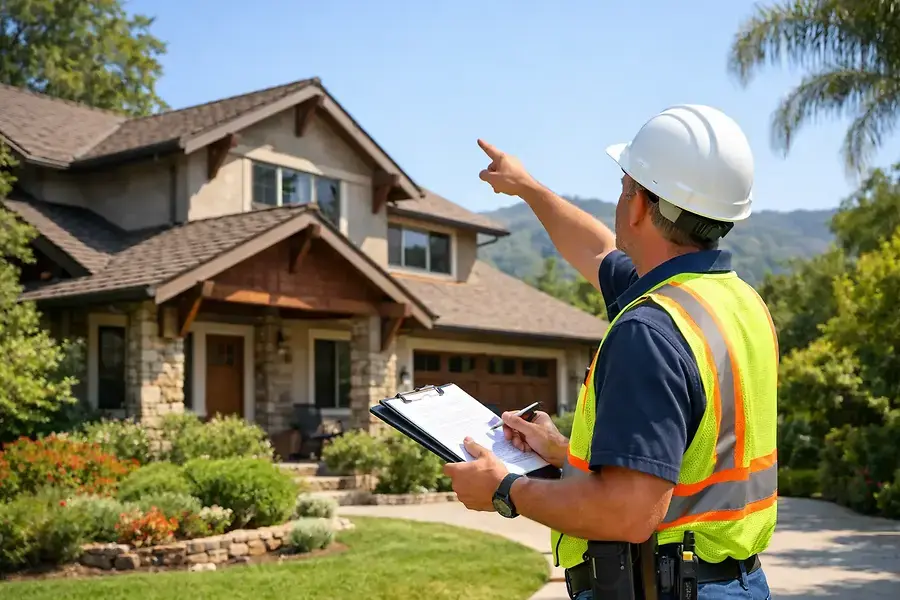
Understanding the Home Inspection Process in Los Gatos
A home inspection is one of the most critical steps in the home buying process, especially in Los Gatos's competitive real estate market. This professional evaluation examines the structural integrity, mechanical systems, and overall condition of a property before you commit to purchase.
The typical home inspection in Los Gatos takes between two to four hours, depending on the property's size and age. A licensed inspector will examine the foundation, roof, plumbing, electrical systems, HVAC units, and interior components. Understanding what happens during this process helps you prepare mentally and financially for potential repairs.
What to Expect During Your Inspection
Your inspector will systematically evaluate every accessible area of the home. They'll check for water damage, pest infestations, code violations, and safety hazards. Many Los Gatos homes are older properties with unique architectural features, which may require specialized inspection knowledge.
- Exterior inspection: roof condition, siding, gutters, and drainage
- Foundation and structural elements
- Plumbing systems and water pressure
- Electrical panels and wiring
- Heating and cooling systems
- Interior walls, ceilings, and flooring
- Appliances and fixtures
Common Issues Found in Los Gatos Properties and Red Flags
Los Gatos properties, particularly those built before the 1980s, often present specific challenges that buyers should be aware of. Understanding these common issues helps you evaluate inspection reports more effectively.
Structural and Foundation Concerns
Many Los Gatos homes sit on hillsides or in areas with clay soil, which can lead to foundation movement and settling. Cracks in the foundation, uneven floors, or doors that don't close properly are warning signs that require professional structural evaluation.
Outdated Systems
Older homes may have outdated electrical systems, including knob-and-tube wiring or insufficient grounding. Plumbing systems might use galvanized pipes that are prone to corrosion. These upgrades can be expensive but are often necessary for safety and functionality.
Water Damage and Moisture Issues
The Bay Area's climate can contribute to moisture problems. Look for signs of water intrusion in basements, crawl spaces, and attics. Mold growth, staining, and musty odors are red flags that indicate ongoing moisture issues.
- Roof leaks or missing shingles
- Damaged gutters and downspouts
- Poor grading around the foundation
- Inadequate ventilation in attics or crawl spaces
- Cracks in exterior walls or caulking
Pest and Termite Damage
Termite damage is particularly common in Northern California properties. A separate termite inspection is often required by lenders and is highly recommended. Look for hollow-sounding wood, mud tubes, or visible insect damage.
How to Prepare for Your Inspection and Review the Report
Before the Inspection Day
Preparation is key to getting the most value from your home inspection. Schedule your inspection within the contingency period specified in your purchase agreement, typically 10-17 days after your offer is accepted.
- Ensure the property is accessible and utilities are on
- Request that the seller leave the home available for the full inspection period
- Gather any available maintenance records or warranties
- Make a list of specific concerns you want the inspector to address
- Plan to attend the inspection in person
During the Inspection
Attend the inspection and ask questions. Your inspector should explain their findings as they work. Take notes and photos of any areas of concern. Don't hesitate to ask about repair costs or the urgency of addressing specific issues.
Understanding the Inspection Report
The inspection report will categorize findings by severity: critical, major, minor, and informational.
Critical issues require immediate attention and may affect your financing or safety. Major issues should be addressed soon, while minor issues are typically cosmetic or low-priority.
Review the report carefully and research any unfamiliar terms. Many inspectors provide detailed explanations and recommendations for each finding. Use this information to determine your next steps in the negotiation process.
Next Steps: Using Inspection Results to Negotiate and Close
Evaluating Repair Costs
Once you have the inspection report, obtain repair estimates from licensed contractors. Focus on critical and major issues first, as these directly impact the property's value and your safety.
- Get multiple quotes for significant repairs
- Factor in both immediate and future maintenance needs
- Consider the age of major systems (roof, HVAC, plumbing)
- Research typical repair costs for Los Gatos properties
Negotiation Strategies
You have several options when inspection issues are discovered. You can request the seller make repairs, ask for a credit toward closing costs, or renegotiate the purchase price. In Los Gatos's competitive market, your negotiating position depends on the severity of issues and current market conditions.
Be strategic and reasonable in your requests. Sellers are more likely to accept reasonable repair requests than extensive renovations. Focus on health, safety, and structural concerns rather than cosmetic issues.
Final Walk-Through and Closing
Before closing, conduct a final walk-through to verify that agreed-upon repairs have been completed satisfactorily. Request receipts and warranties for any work performed. Ensure all systems are functioning properly and the property is in the agreed-upon condition.
The home inspection is your opportunity to make an informed decision about one of the largest purchases of your life. By understanding the process, knowing what to look for, and using the results strategically, you'll be well-positioned to make confident decisions in Los Gatos's dynamic real estate market.


